
What Is the Main Advantage of Die Cutting?
You can cut parts by hand.
You can “make it work” for a prototype.
Then mass production hits.
Parts don’t fit the same.
Edges lift.
Operators slow down.
Your line bleeds time and money.
That’s the pain.
Die cutting exists to stop that pain.
The main advantage of die cutting is repeatability at scale. It converts rolls or sheets (foam, film, non-woven, rubber, and adhesive tapes) into consistent, assembly-ready parts with stable dimensions, clean edges, and predictable application. That repeatability reduces defects, rework, and line slowdowns—often saving more money than a lower unit price ever could.
Repeatability sounds boring.
Good.
Boring parts ship on time.
We’re Sanken, a precision die cutting and converting manufacturer.
Customers don’t come to us for “a cut shape.”
They come to us for fewer surprises and fewer late nights.
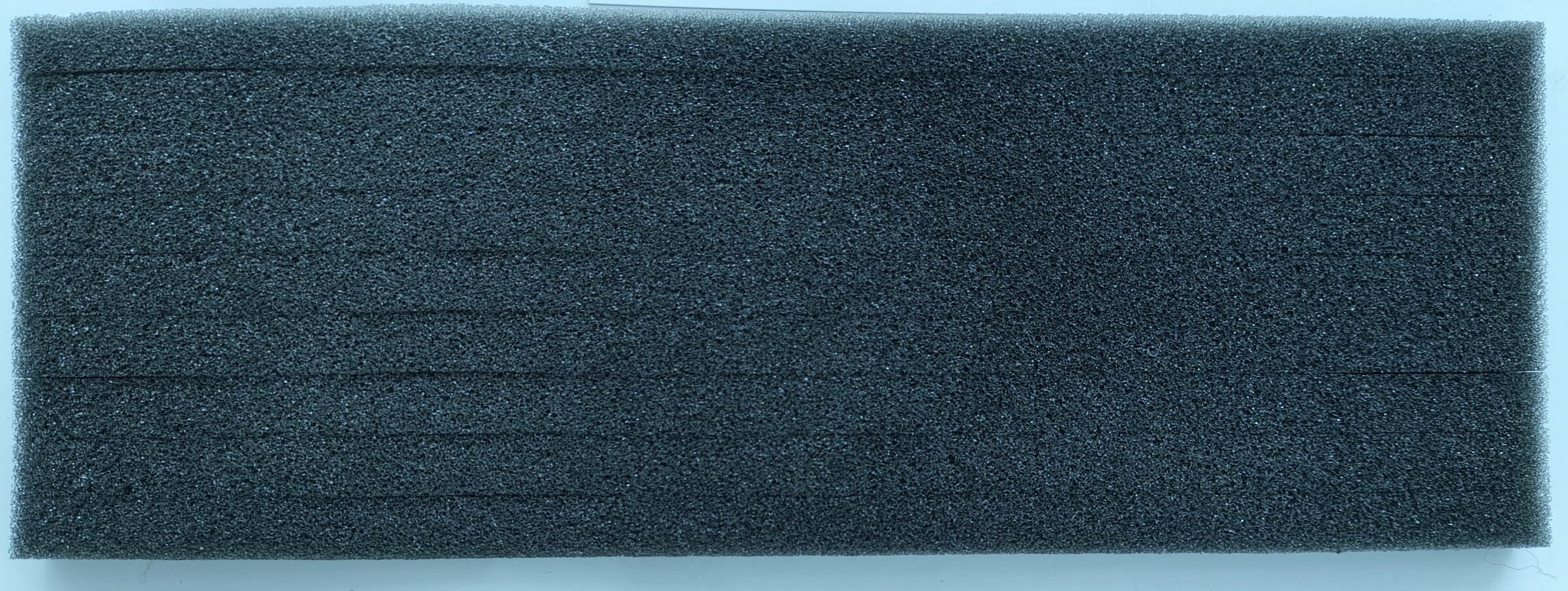
Why is repeatability more valuable than a “perfect sample”?
A sample proves you can make one good part.
Production proves you can make ten thousand good parts.
Most customer pain starts here:
samples look fine, then mass production drifts.
Material lots change.
Adhesive ages.
Cut depth shifts.
Handling introduces dust and bubbles.
With die cutting, we lock the geometry and control the process window.
That’s how we prevent variation from turning into scrap and rework.
How does die cutting speed up assembly and reduce human error?
Die cutting doesn’t just cut.
It delivers parts in formats that apply fast.
Kiss-cut rolls enable peel-and-place.
Kitted sheets reduce picking mistakes.
Automation-ready rolls keep applicators running with stable pitch and reliable release.
Here’s the hidden pain.
A 2-second placement mistake becomes 2 minutes of cleanup.
Multiply that by thousands.
Now your “cheap part” is the most expensive bottleneck on the line.
How does die cutting reduce defects like edge lift, bubbles, and poor fit?
Poor fit is not a small issue.
It’s a defect multiplier.
We produce consistent outlines, holes, and fine features.
Consistent geometry supports consistent sealing width and predictable compression.
That reduces “random” leaks and rattles that are not random at all.
Most cosmetic rejects come from edge behavior: lifting, bubbling, residue.
Die cutting helps, but only when stack-up and adhesive are engineered correctly.
Why is die cutting often cheaper overall, even if unit price is higher?
Because unit price is not total cost.
Your real cost includes labor, scrap, rework, downtime, and supplier management.
A cheaper part that causes 2% rework destroys margin.
A stable die-cut part reduces rework and inspection, and keeps your line moving.
This is a common buyer pain.
Procurement sees cents.
Operations sees stoppages.
Quality sees defect rates.
Die cutting aligns all three by reducing variability.
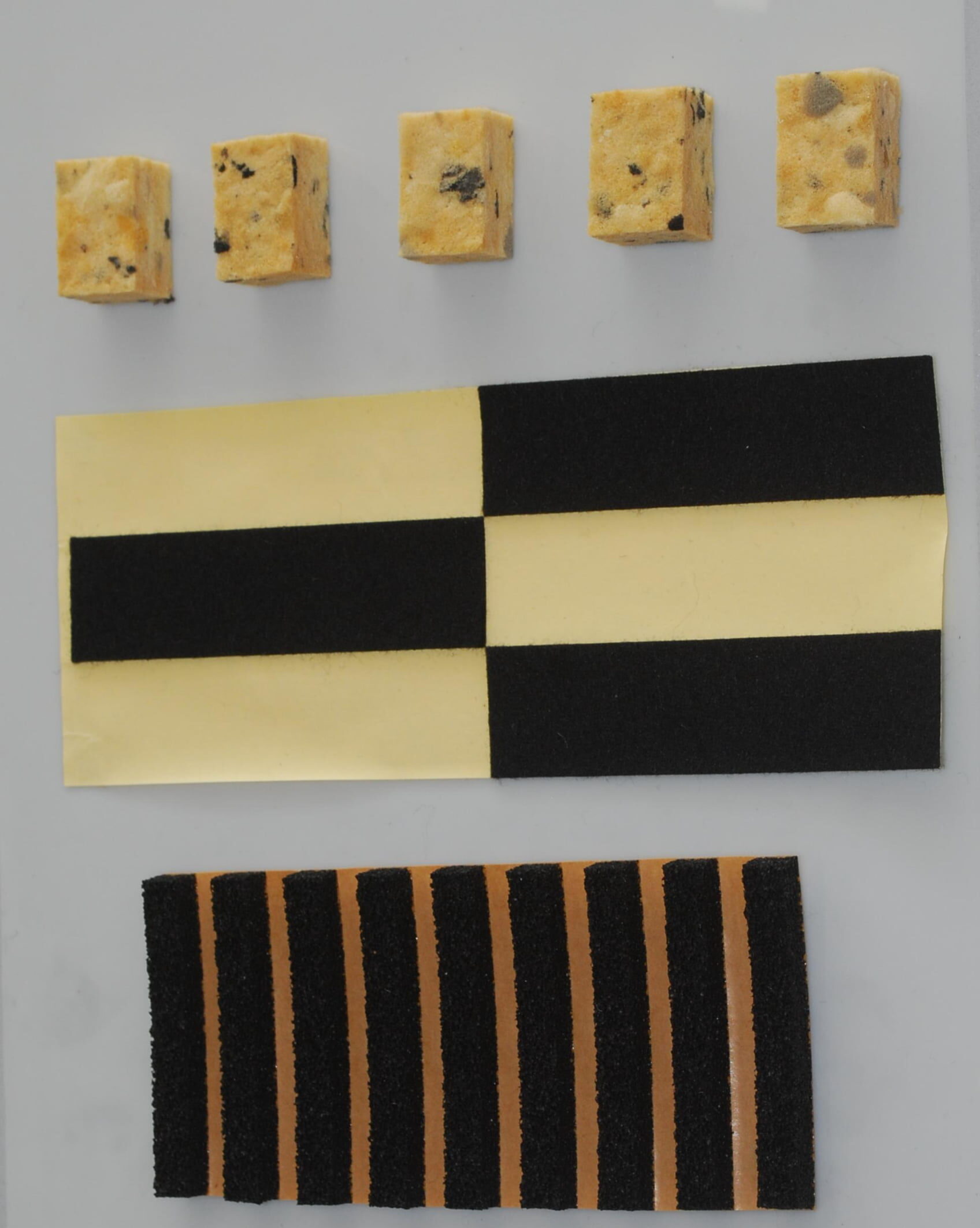
How does die cutting simplify sourcing for OEM buyers?
Many die-cut parts are layered.
Foam plus adhesive plus film.
Non-woven plus adhesive.
Protection film plus pull tab.
A converting partner can laminate, slit, die cut, remove waste, and package in one controlled flow.
That reduces handoffs and reduces variation between steps.
The pain without one-stop is constant coordination.
Multiple lead times.
Multiple quality standards.
Multiple failure points.
And when one tiny part is late, the whole assembly waits.
What proof should I request to confirm the advantage is real?
Ask for proof of stability.
Not a brochure.
Ask how they define CTQs.
Ask how they measure them.
Ask how they control cut depth and waste removal.
Ask how they manage material lots and revisions.
If a supplier can’t show discipline in documentation and change control, containment will be slow and expensive when something changes.
When should I choose die cutting for my project?
Choose die cutting when your part is made from roll or sheet materials.
Films, foams, non-woven, rubber, adhesive tapes, laminated stacks.
If you need rigid 3D geometry, you may need molding or machining.
But even then, die-cut parts often support the assembly with seals, cushions, insulation, and bonding layers.
Is die cutting only for stickers and labels?
No. In manufacturing, most die-cut parts are functional components. Seals, gaskets, insulation pads, damping, bonding layers, and protection films.
What’s the fastest way to validate die-cut parts before mass production?
Run a small pilot under production-like conditions. Track edge lift, bubble rate, placement time, dimensional stability, and defect rate. Then lock the spec and revision control.
What should I send Sanken to quote accurately?
Your cut line or drawing, the material stack-up, thickness and tolerance targets, adhesive requirement, forecast volume, application method, and the use environment.
Conclusion
The main advantage of die cutting is repeatability at scale—stable shapes, faster application, fewer defects, and less rework. If you share your drawing and use conditions, we can recommend a stack-up and delivery format that protects your yield and schedule.