
What Is Closed-Cell Foam?
I see buyers choose “foam” like it’s one simple BOM line. Then parts soak water, compress too much, or peel up after heat. That pain turns into rework, line stops, and late shipments. Closed-cell foam is the fix when you need sealing, stability, and predictable performance.
Closed-cell foam is a foam material made of sealed, non-interconnected cells, so it resists water absorption and blocks air flow better than open-cell foam. I use it when customers need sealing, cushioning with controlled compression, vibration damping, and a clean die-cut edge that holds its shape. It’s common in automotive, electronics, appliances, and medical assemblies where moisture, dust, and tight tolerances matter. The key is selecting the right foam chemistry, density, thickness, and adhesive stack so it stays consistent at volume.
If you keep reading, I’ll break down how closed-cell foam behaves, where it fails, and how I help OEM buyers avoid the classic “sample OK, production chaos” story.
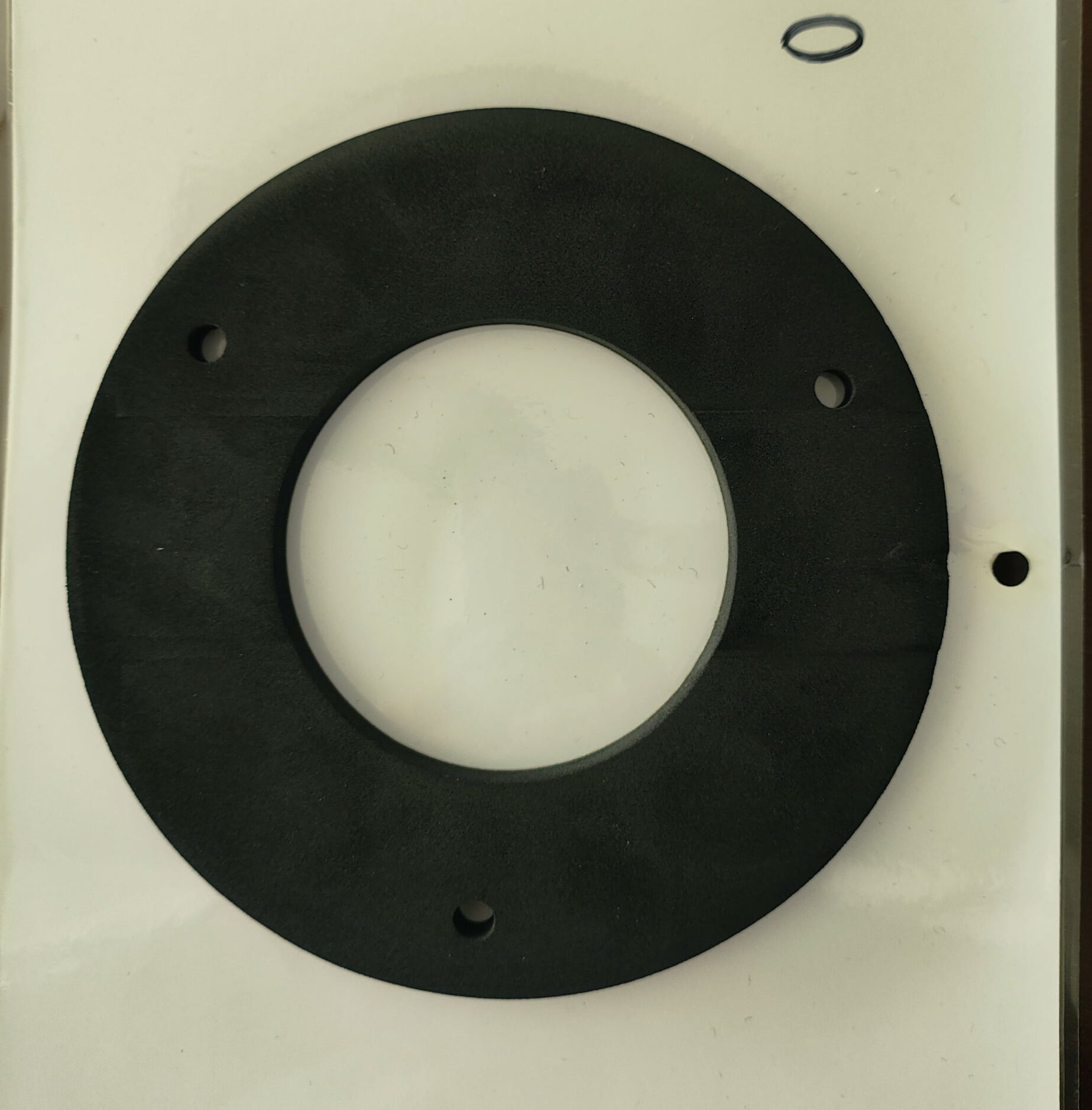
What makes foam “closed cell” in the first place?
Closed-cell foam is defined by its structure.
Each cell is sealed.
The cells do not connect like a sponge.
That structure changes everything.
Air and water have a harder time moving through it.
So sealing improves.
So moisture issues drop.
This is why many buyers choose closed-cell foam for gaskets.
If your assembly must block dust, air, or splash, closed-cell is usually the first category I evaluate.
Why does closed-cell foam resist water and air better?
Because the cells are closed.
Water cannot easily wick through a network.
Air cannot easily flow through connected pores.
That matters when your pain is moisture.
Humidity cycling.
Condensation.
Washdown.
Outdoor exposure.
Shipping in wet climates.
I’ve seen open-cell foam “pass” a quick check and then fail weeks later.
It absorbs moisture.
It changes stiffness.
Adhesives struggle.
Edges lift.
Now the “foam part” becomes a system defect.
Closed-cell foam reduces that risk.
But only if thickness and compression are designed correctly.
How does closed-cell foam behave under compression and heat?
Closed-cell foam pushes back.
It has more spring than most open-cell foams.
That can be good.
It maintains a seal.
It maintains a gap fill.
It feels solid.
It can also create a trap.
If you over-compress it, you can crush cells.
Then thickness changes permanently.
Then sealing load changes.
Then your assembly “drifts” even though the drawing didn’t.
Heat adds another layer.
Many adhesives soften with heat.
Some foams relax.
Some rebound changes.
So I never pick closed-cell foam by name alone.
I pick it by installed compression, temperature range, and long-term stability.
When should I choose closed-cell foam vs open-cell foam?
I choose closed-cell foam when the part must block.
Block air.
Block dust.
Block water.
Block odor migration.
I also choose it when I need dimensional stability.
Thin frames.
Narrow sealing lands.
Clean edges.
I choose open-cell foam when the part must breathe.
Air filtration.
Sound absorption.
Some cushioning where sealing is not required.
Here’s the buyer pain point.
If you choose open-cell where sealing matters, you get leaks or contamination.
If you choose closed-cell where breathability matters, you trap heat or moisture in the wrong place.
So “better” is not the right question.
“Better for your failure mode” is.
Which closed-cell foam materials are common in OEM manufacturing?
Closed-cell foam is a category.
Not one material.
Common families I see in real programs:
- PE foam for lightweight cushioning and general sealing
- EVA foam for resilience and feel, often used in packaging and consumer assemblies
- Neoprene and other rubber foams for tougher sealing needs
- Silicone foam for wide temperature ranges and demanding environments
- Microcellular foams when you need controlled compression and consistent performance
Each family behaves differently.
Different rebound.
Different compression set.
Different chemical resistance.
Different cost.
If your product sees oil or chemicals, rubber family matters.
If your product sees high heat, silicone family matters.
If your product is cost-sensitive and needs basic sealing, PE or EVA can fit.
The key is not “strong.”
The key is “stable under your real conditions.”
How do I know if closed-cell foam will actually seal in my assembly?
Sealing is not only material.
It’s geometry plus compression.
I look at:
- sealing width and contact area
- compression percentage in assembly
- tolerance stack-up of the mating parts
- surface finish and flatness
- whether the foam is supported or can creep sideways
If you compress too little, you leak.
If you compress too much, you crush and drift.
If the surface is rough, you need enough conformability.
This is where OEM teams get burned.
They spec foam thickness.
They don’t spec installed compression.
Then production clamps harder or softer.
Then performance changes lot to lot.
I design the foam part to be forgiving.
And I validate it in the assembled condition, not on a bench.
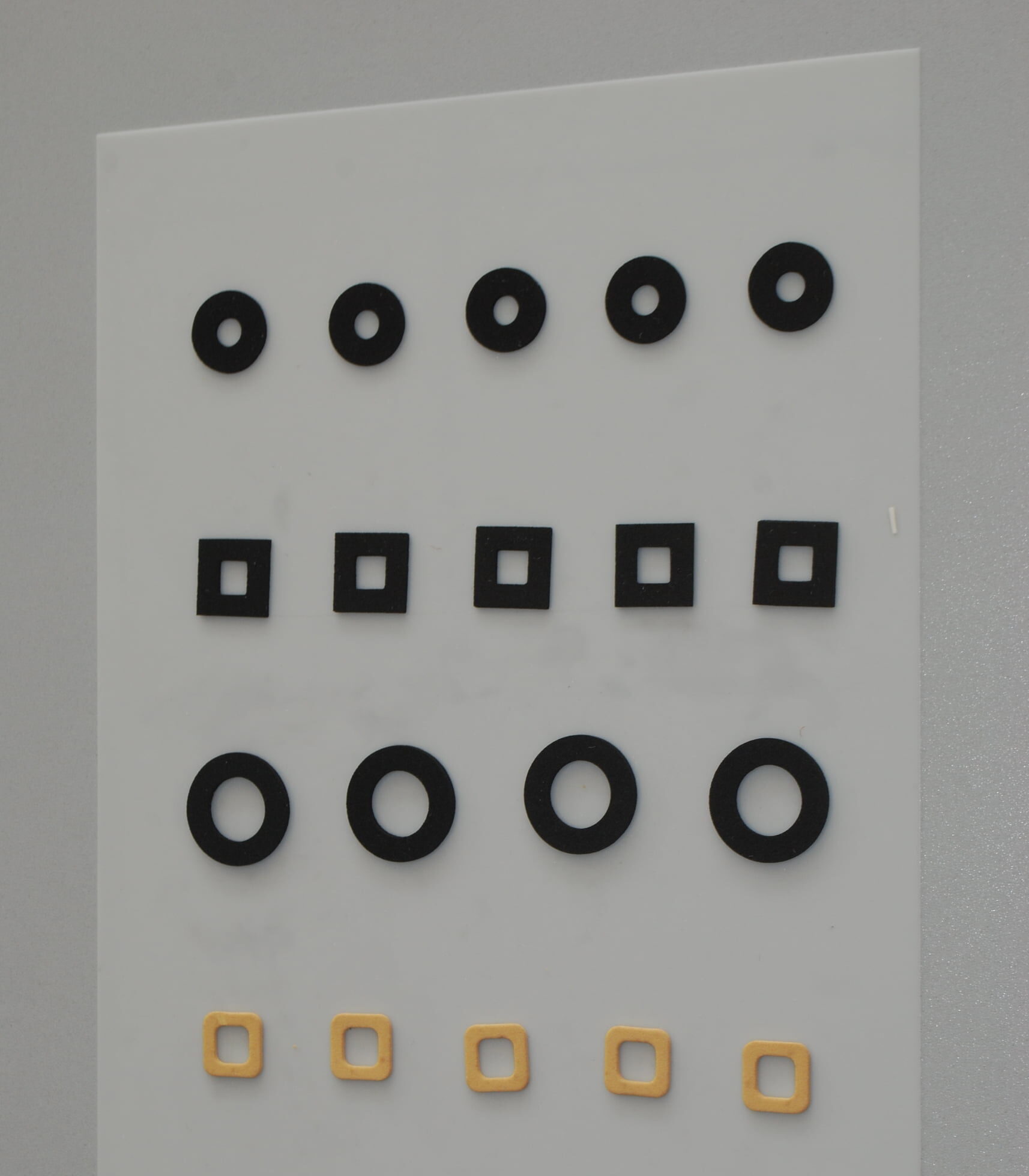
How do we die-cut closed-cell foam parts without tearing edges or slowing the line?
Closed-cell foam can cut beautifully.
Or it can tear.
It depends on density, cell structure, thickness, and tooling setup.
On the converting side, I focus on:
- clean edge definition so seals don’t leak at corners
- corner radii so stress doesn’t concentrate and start lift
- consistent thickness control so compression stays consistent
- delivery format that keeps operators fast
For adhesive-backed foam, format is often the hidden win.
Kiss-cut on liner can speed peel-and-place.
Counted sheets can reduce picking errors.
Kitted sets can reduce missing parts.
If operators need “special technique,” the part is not production-ready.
That’s my BeeChair CEO test.
If you have to sit carefully, the chair is wrong.
If you have to place carefully, the part is wrong.
What tests should you run before you approve closed-cell foam for mass production?
I like tests that mirror how you actually fail.
Not tests that look good on paper.
At minimum, I recommend:
- compression set check if long-term sealing matters
- thickness stability after assembly compression
- temperature exposure that matches your real product range
- adhesion stability if you use PSA backing
- inspection after 24–72 hours, not just immediately
- packaging and shipping vibration check if cosmetics matter
If you are fighting corner lift, test after heat and time.
If you are fighting leaks, test under real clamp load.
If you are fighting rework residue, test removal after aging.
Most failures show up later.
So I always design validation to include time.
Is closed-cell foam always better for gaskets?
Often, yes, because it blocks airflow and resists moisture. But you still must control compression and thickness so the seal remains stable.
Does closed-cell foam absorb any water at all?
It absorbs far less than open-cell foam, but not every closed-cell foam is identical. Thickness, skin layer, and foam chemistry change real behavior.
Why does my foam gasket lift at corners?
Usually stress concentration, sharp corners, insufficient bonding land, surface contamination, or adhesive mismatch to heat. Small geometry changes and the right adhesive system solve most cases.
Can closed-cell foam be used for vibration damping?
Yes. Many closed-cell foams provide cushioning and damping. The right density and thickness matter more than the name.
What should you send Sanken to evaluate quickly?
Your drawing or cut line, thickness limits, what the foam bonds to, your temperature range, whether sealing is required, and how the part is applied on the line.
Conclusion
Closed-cell foam is foam with sealed cells that resist water and airflow, making it ideal for sealing and stable cushioning. Choose it by failure mode, not by name. Share your assembly conditions, and I’ll recommend a die-cut foam construction that stays consistent at volume.