
Automotive Interior Shockproof Foam Pads Die Cut Manufacturer: Why Tiny Foam Parts Decide Whether a Vehicle Feels Premium or Cheap
A customer once visited our factory carrying a dashboard assembly problem that had already delayed production twice.
The issue looked insignificant.
Just a small foam pad.
But inside the vehicle, that tiny component was causing:
- Interior rattling
- Plastic friction noise
- Dashboard vibration
- Assembly looseness
- Customer complaints during road testing
The OEM had already changed plastic structures, modified mounting points, and adjusted assembly pressure. Nothing solved the issue completely. In the end, the real problem came down to one thing: the foam die-cut part itself was poorly engineered for the actual operating environment.
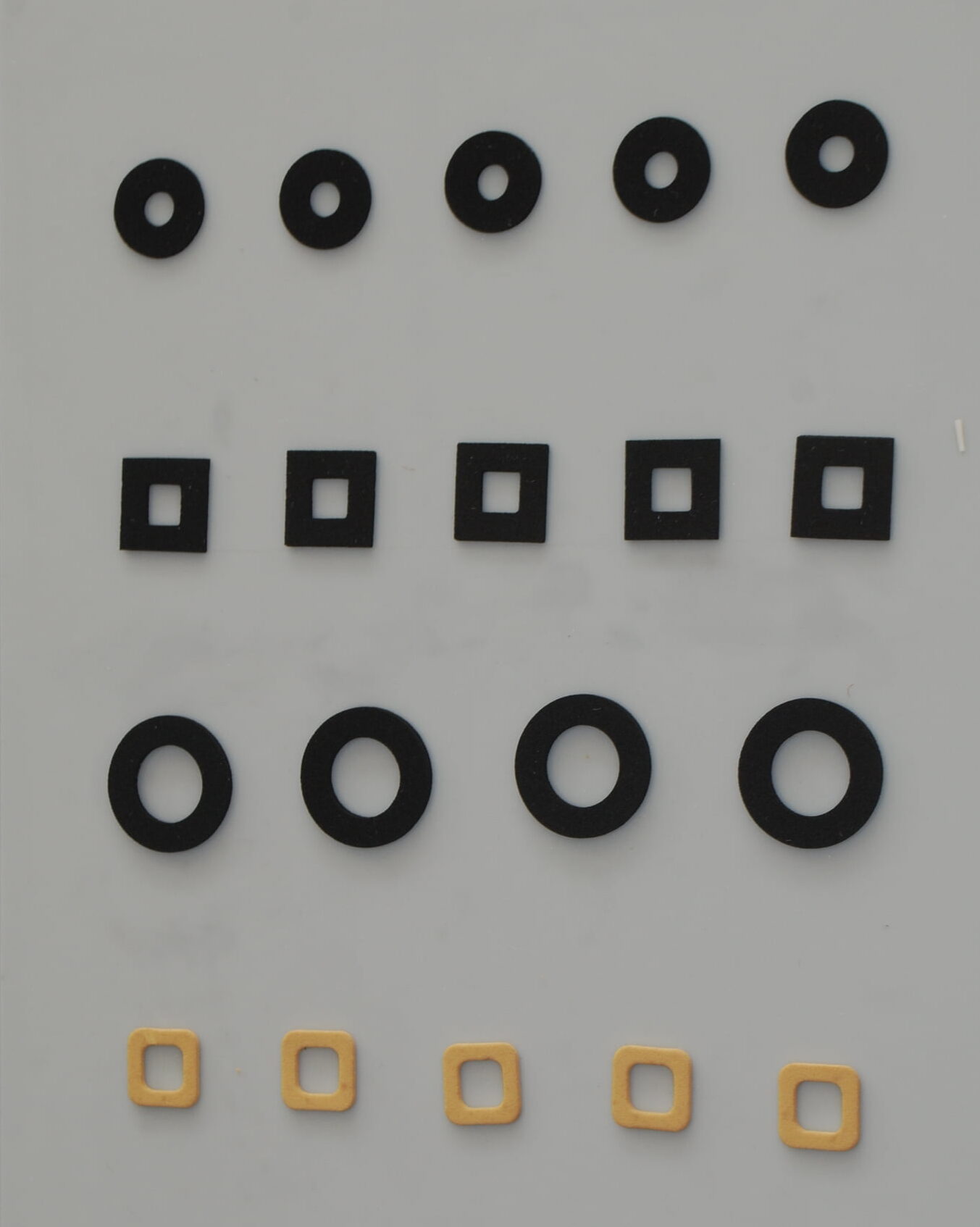
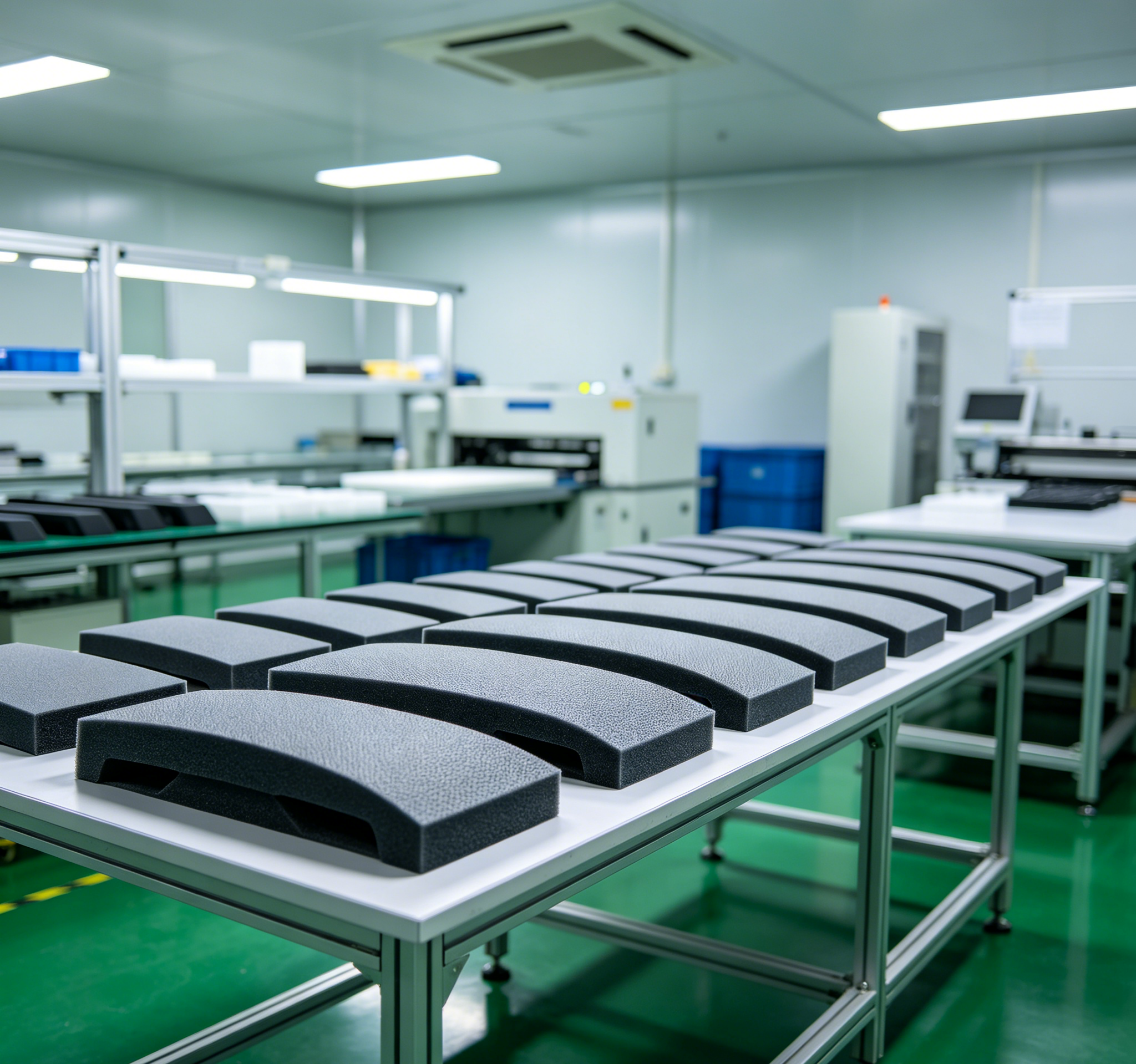
Automotive interior shockproof foam pads are precision die-cut components designed to absorb vibration, reduce friction noise, stabilize interior assemblies, improve driving comfort, and enhance long-term vehicle durability. These foam parts are widely used behind dashboards, center consoles, door panels, displays, pillars, instrument clusters, speakers, wiring systems, and decorative trim assemblies.
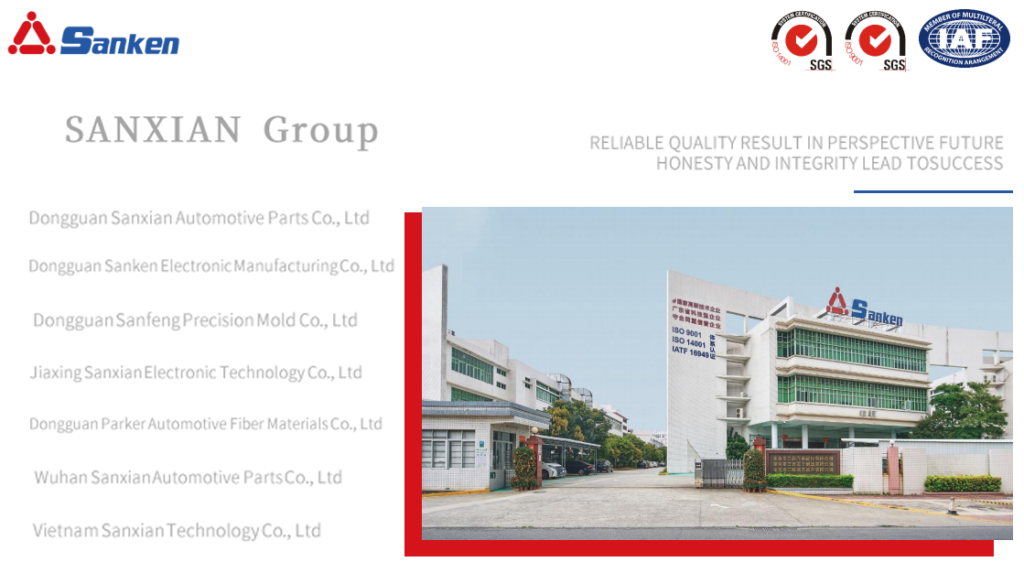
At Sanken, we help automotive OEM customers develop engineered foam die-cut solutions that improve interior NVH performance, assembly consistency, and large-scale production reliability.
Why Modern Vehicles Depend Heavily on Shockproof Foam Pads
Most drivers never see these components.
But they notice the problems immediately when they fail.
Modern vehicle interiors contain hundreds of contact points where:
- Plastic touches metal
- Wiring contacts structures
- Displays vibrate during driving
- Trim panels expand under heat
- Components shift during long-term use
Without proper cushioning and vibration control, vehicles quickly develop:
- Buzzing sounds
- Squeaking noises
- Interior rattles
- Structural wear
- Reduced cabin comfort
This becomes especially critical for electric vehicles because quieter power systems make interior noises far easier to hear.
Why Cheap Foam Solutions Usually Fail
Many suppliers focus only on material cost.
That creates serious long-term problems.
Low-grade foam materials often suffer from:
| Common Failure | Result |
|---|---|
| Compression collapse | Loss of cushioning |
| Adhesive aging | Part detachment |
| Material shrinkage | Gap formation |
| Poor density consistency | Uneven vibration control |
| Weak heat resistance | Interior deformation |
At first, the parts may appear acceptable.
But after months of temperature cycling and road vibration, problems begin appearing inside the cabin.
For automotive brands, this creates major warranty and customer satisfaction risks.
Why Automotive NVH Standards Keep Becoming More Demanding
Vehicle buyers today expect much more refined driving experiences.
Consumers now associate quiet cabins with premium quality.
Automakers are under constant pressure to improve:
- Cabin silence
- Structural stability
- Driving comfort
- Interior refinement
That means even tiny vibration sources matter.
At Sanken, we help customers engineer foam solutions specifically for:
- Vibration absorption
- Impact buffering
- Gap filling
- Acoustic isolation
- Structural stabilization
This allows OEM manufacturers to improve both perceived quality and long-term durability.
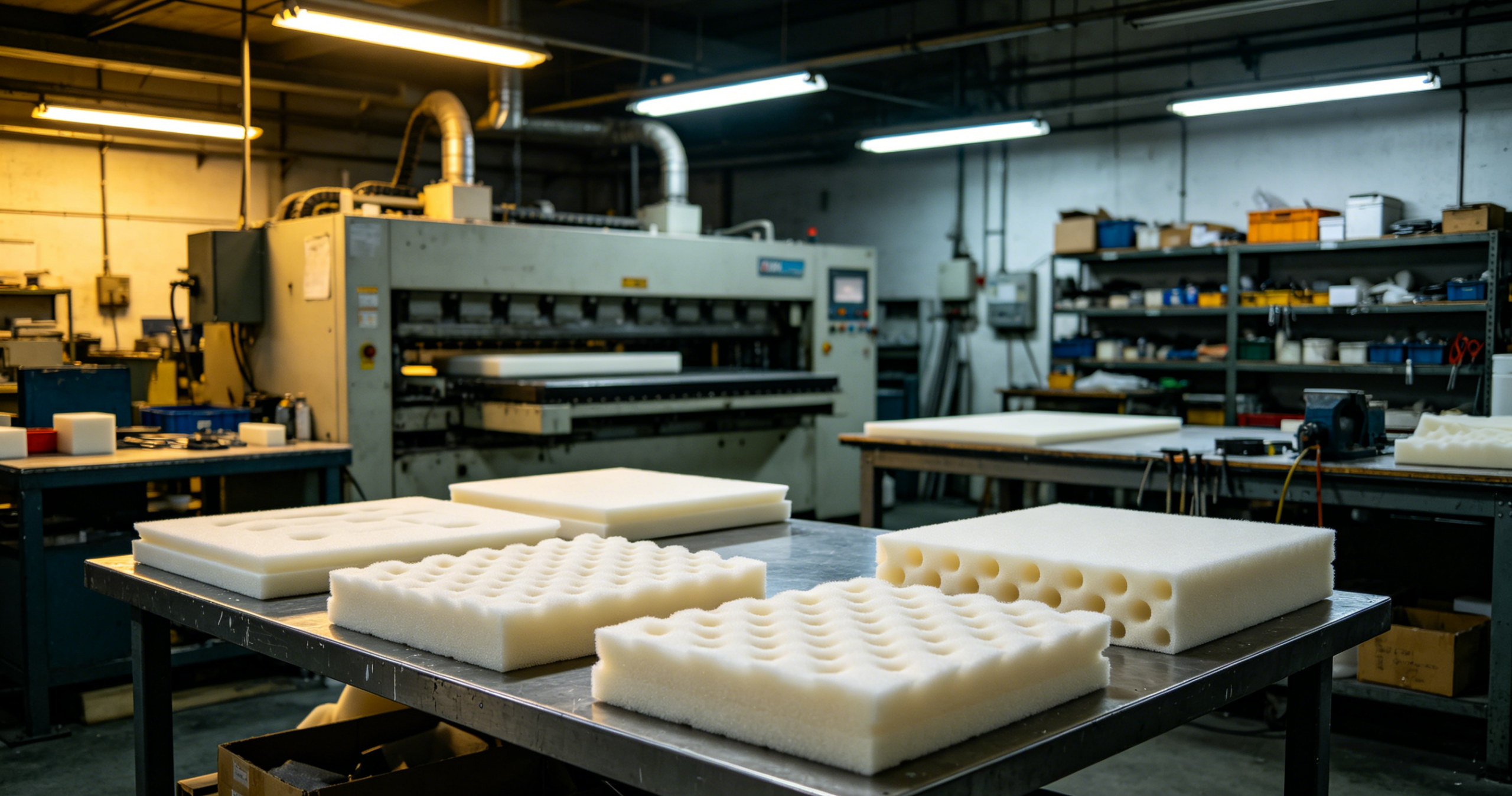
Why Precision Die Cutting Changes Everything
Many people underestimate how difficult foam converting actually is.
Foam materials are soft, compressible, and highly sensitive during processing.
Poor die cutting creates issues such as:
- Uneven edges
- Thickness inconsistency
- Adhesive misalignment
- Compression distortion
- Installation difficulty
In automotive production, these small deviations quickly create assembly instability.
At Sanken, we optimize:
- Cutting pressure
- Tool geometry
- Material feeding stability
- Compression management
- Multilayer alignment accuracy
This helps customers achieve more reliable large-scale production performance.
Why Adhesive Engineering Is Often the Hidden Key
Many interior foam pads rely on adhesive backing for fast installation.
Unfortunately, adhesive systems are often overlooked during product development.
Common field failures include:
- Edge lifting
- Delamination
- Heat-related separation
- Adhesive residue contamination
Inside vehicles, temperatures can become extremely high.
Weak adhesive systems quickly become unstable under thermal cycling conditions.
At Sanken, we evaluate:
- Adhesive bonding strength
- Surface compatibility
- Heat aging performance
- Long-term environmental durability
This helps prevent future assembly failures during real vehicle usage.
Why OEM Buyers Care About More Than Just Parts
Automotive customers are under enormous production pressure.
They do not simply need foam pads.
They need suppliers capable of supporting:
- Stable mass production
- Engineering optimization
- Faster development cycles
- Lower defect rates
- Reliable delivery schedules
At Sanken, we understand these operational realities deeply because we work directly with OEM manufacturing programs requiring long-term consistency.
Why Integrated Manufacturing Capability Matters
Many automotive projects involve multiple production processes simultaneously.
Managing separate suppliers for every process creates:
- Communication delays
- Dimensional mismatch risks
- Quality inconsistency
- Longer lead times
At Sanken, we integrate:
- Precision die cutting
- Foam converting
- Adhesive laminating
- Hot pressing
- Spraying and gluing
- Silk screen printing
- Injection molding
This one-stop manufacturing system helps customers reduce supply chain complexity while improving production stability.
Why Material Selection Determines Long-Term Performance
Not all foam materials behave the same way inside automotive interiors.
At Sanken, we help customers evaluate:
- Compression set resistance
- Flame retardancy
- Density stability
- Temperature durability
- Acoustic performance
- Aging resistance
This engineering-driven approach helps customers reduce warranty risk while improving overall vehicle quality.
Why Production Consistency Matters More Than Prototype Appearance
Many suppliers can create attractive prototypes.
But automotive mass production is completely different.
Large-scale manufacturing requires control over:
- Material variation
- Tool wear
- Adhesive behavior
- Thickness consistency
- Environmental conditions
Without strong process management, quality drift becomes unavoidable.
At Sanken, we focus heavily on manufacturing repeatability because automotive customers require stable performance across millions of components.
Why Automotive OEM Customers Choose Sanken
Automotive manufacturers choose us because we focus on solving production problems before they become field failures.
Our customers value:
- Stable product quality
- Fast engineering support
- Reliable delivery
- Scalable production capability
- Reduced operational risk
Our manufacturing systems operate under:
- IATF 16949
- ISO 9001
- ISO 14001
We support global automotive customers with advanced foam die-cut solutions designed for modern vehicle interior systems.
What Truly Separates Professional Foam Die-Cut Manufacturers?
Many factories can process foam.
Far fewer understand automotive manufacturing requirements deeply.
The real difference comes from:
- Material expertise
- NVH engineering understanding
- Adhesive system knowledge
- Precision converting capability
- Long-term durability control
- Automotive production experience
At Sanken, we focus on helping customers create quieter, more stable, and more refined vehicle interiors through engineered foam die-cut solutions built for scalable OEM production.
Conclusion
Automotive interior shockproof foam pads play a critical role in reducing vibration, eliminating rattles, improving cabin comfort, and enhancing vehicle quality perception. At Sanken, we combine precision die cutting, material engineering, adhesive laminating, and automotive manufacturing expertise to help OEM customers achieve more stable production, better NVH performance, and long-term vehicle reliability.