
Can Duct Tape Be Used in Place of Electrical Tape?
When repairing wires or insulating electrical connections, many people wonder whether duct tape can replace electrical tape. Both are adhesive tapes, and both can stick to surfaces, but they are designed for very different purposes.
No, duct tape should not be used as a replacement for electrical tape in most electrical applications. Electrical tape is specifically engineered to provide electrical insulation, flexibility, flame resistance, and long-term durability around wires and electrical components. Duct tape is designed primarily for sealing, bundling, and general repairs and does not provide the same level of electrical protection or safety.
While duct tape may work as a temporary emergency fix in some situations, it should not be considered a safe long-term solution for electrical insulation.
What Is Electrical Tape?
Electrical tape is a pressure-sensitive insulating tape specifically designed for electrical applications.
It is commonly made from:
- PVC (Polyvinyl Chloride)
- Vinyl
- Specialized rubber compounds
Electrical tape is designed to:
- Insulate electrical conductors
- Prevent short circuits
- Protect wire connections
- Resist heat and moisture
- Provide flame resistance
Because of these properties, electrical tape is widely used by electricians and equipment manufacturers.
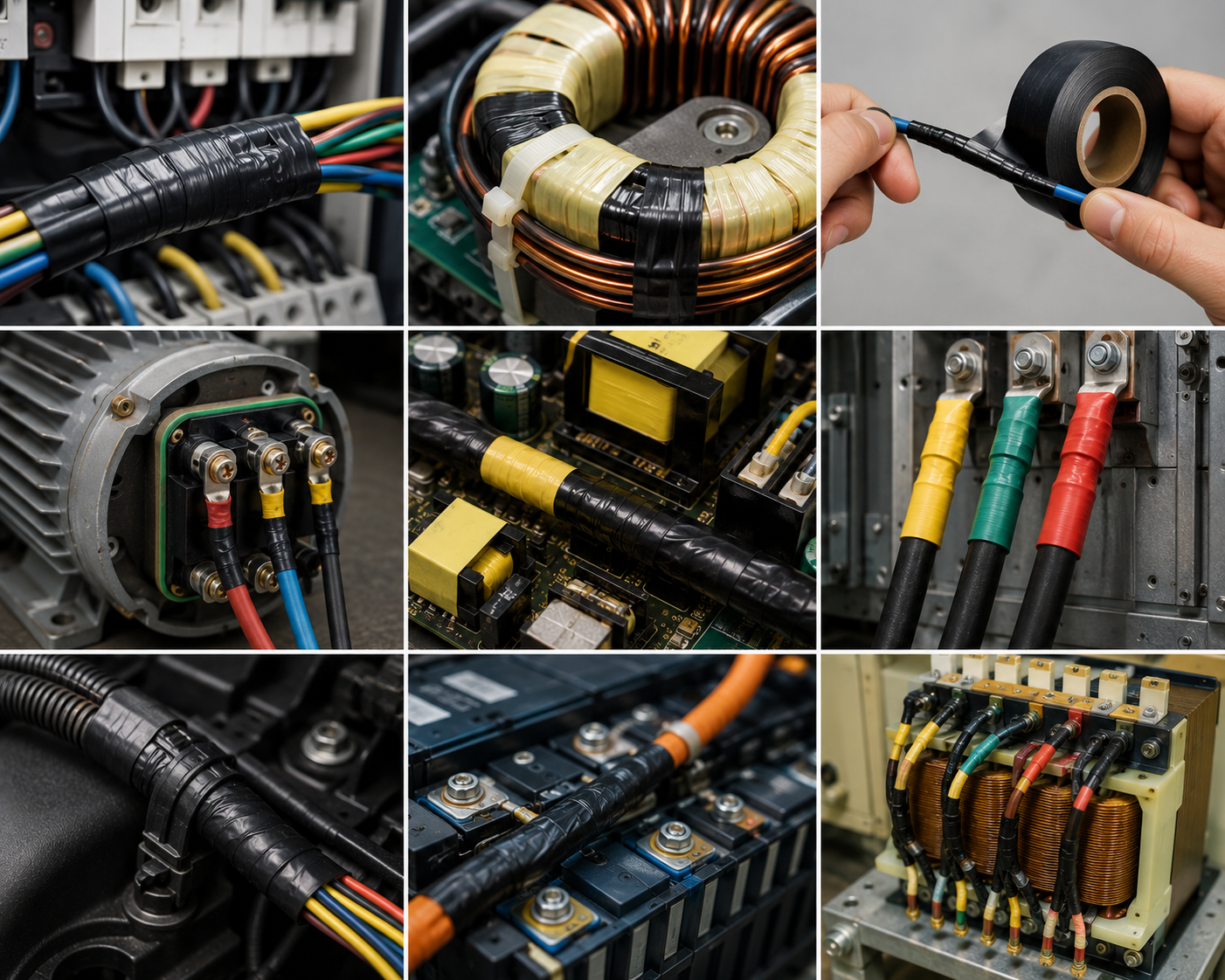
Theme: Electrical Insulation Tape Applications
What Is Duct Tape?
Duct tape is a heavy-duty adhesive tape typically constructed from:
- Polyethylene film
- Cloth mesh reinforcement
- Rubber-based adhesive
Duct tape is designed for:
- Temporary repairs
- Sealing
- Bundling
- General maintenance
It offers strong adhesion and durability but is not intended for electrical insulation.
Why Electrical Tape Is Better for Electrical Work
Electrical Insulation
Electrical tape is specifically designed to resist electrical current.
Benefits include:
- High dielectric strength
- Protection against electrical leakage
- Reduced risk of short circuits
Duct tape is not rated for electrical insulation and may not provide adequate protection.
Flame Resistance
Most quality electrical tapes are flame-retardant.
This helps reduce fire risks when exposed to electrical faults.
Standard duct tape generally lacks this level of protection.
Flexibility
Electrical tape stretches and conforms to irregular surfaces.
This allows it to wrap tightly around:
- Wire splices
- Connectors
- Electrical terminals
Duct tape is much less flexible and can loosen over time.
Long-Term Durability
Electrical tape is engineered to withstand:
- Heat
- Humidity
- UV exposure
- Electrical environments
Duct tape adhesive may degrade, dry out, or become messy over time.
When Can Duct Tape Be Used?
Duct tape is useful for many non-electrical applications.
Examples include:
- Bundling cables
- Temporary mechanical repairs
- Securing materials
- Packaging
However, it should not be relied upon as the primary insulation layer for live electrical wiring.
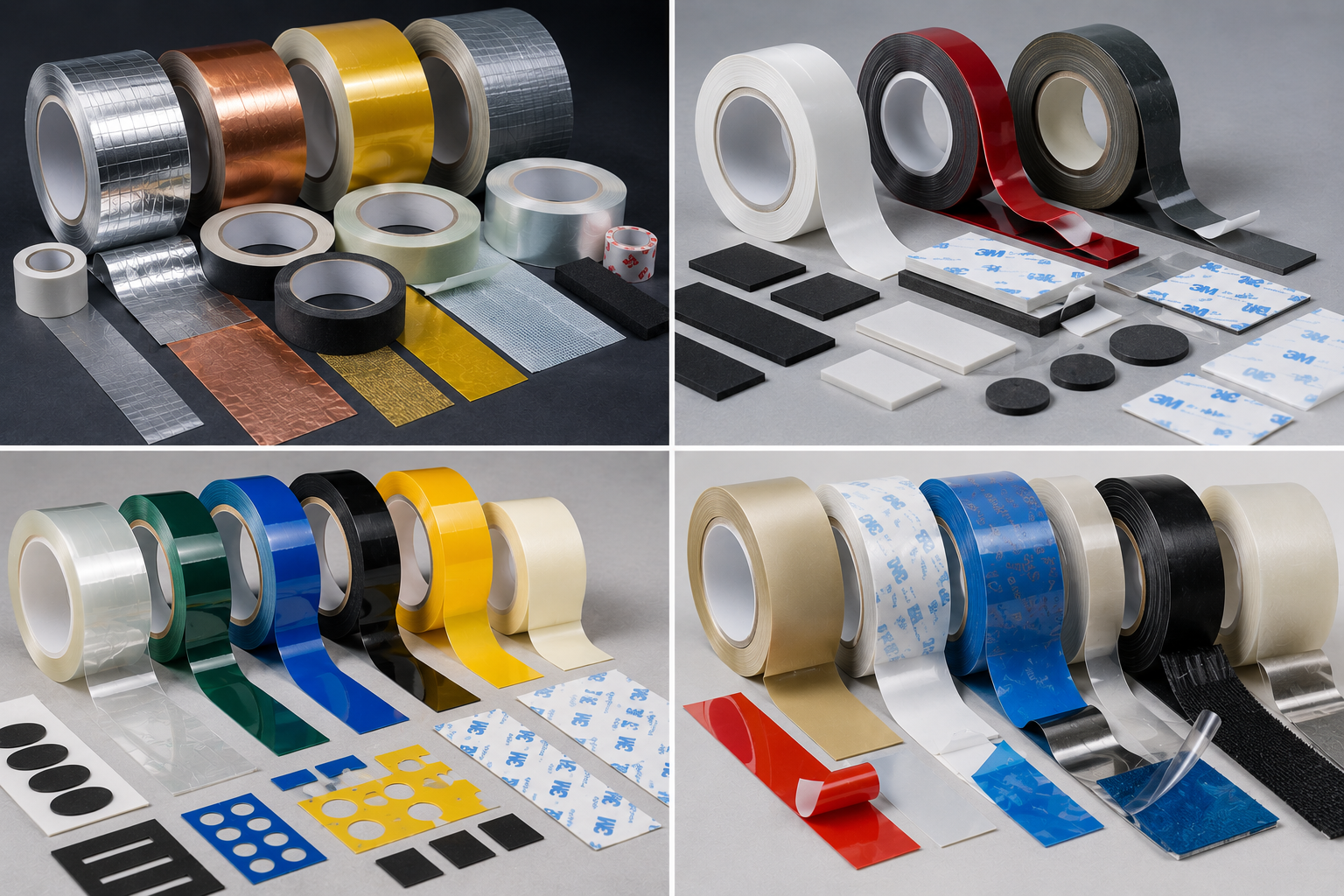
Theme: Industrial Adhesive Tape Materials
Duct Tape vs Electrical Tape
| Feature | Electrical Tape | Duct Tape |
|---|---|---|
| Electrical Insulation | Excellent | Poor |
| Flame Resistance | Yes | Limited |
| Flexibility | High | Moderate |
| Wire Wrapping | Designed For It | Not Recommended |
| Moisture Resistance | Good | Moderate |
| Long-Term Electrical Use | Yes | No |
The table clearly shows that electrical tape is the safer choice for electrical work.
Risks of Using Duct Tape on Electrical Wires
Using duct tape instead of electrical tape can lead to:
Electrical Leakage
Duct tape is not designed to prevent electrical current from escaping.
Short Circuits
Poor insulation can allow conductors to contact each other.
Fire Hazards
In some situations, inadequate insulation can increase overheating risks.
Adhesive Failure
Duct tape adhesive may deteriorate under heat, leaving exposed wiring.
For these reasons, professional electricians generally avoid using duct tape as electrical insulation.
Better Alternatives to Duct Tape
If electrical tape is unavailable, safer alternatives may include:
- Heat shrink tubing
- Self-fusing silicone tape
- Rubber insulating tape
- Certified electrical repair kits
These products are specifically designed for electrical applications.
How Sanken Manufacturing Supports Electrical Insulation Applications
Dongguan Sanken Electronics Manufacturing Co., Ltd. provides custom electrical insulation and precision converting solutions for OEM manufacturers worldwide.
Our capabilities include:
- Precision die cutting
- Electrical insulation film converting
- PET film processing
- Foam converting
- Adhesive laminating
- Custom insulation assemblies
Key Advantages
- OEM and ODM customization
- ISO 9001 certified quality management
- RoHS and REACH compliant materials
- Domestic and overseas production bases
- Cleanroom precision manufacturing
- Tool development from drawings or samples
We support automotive electronics, consumer devices, battery systems, and industrial equipment requiring precision insulation solutions.
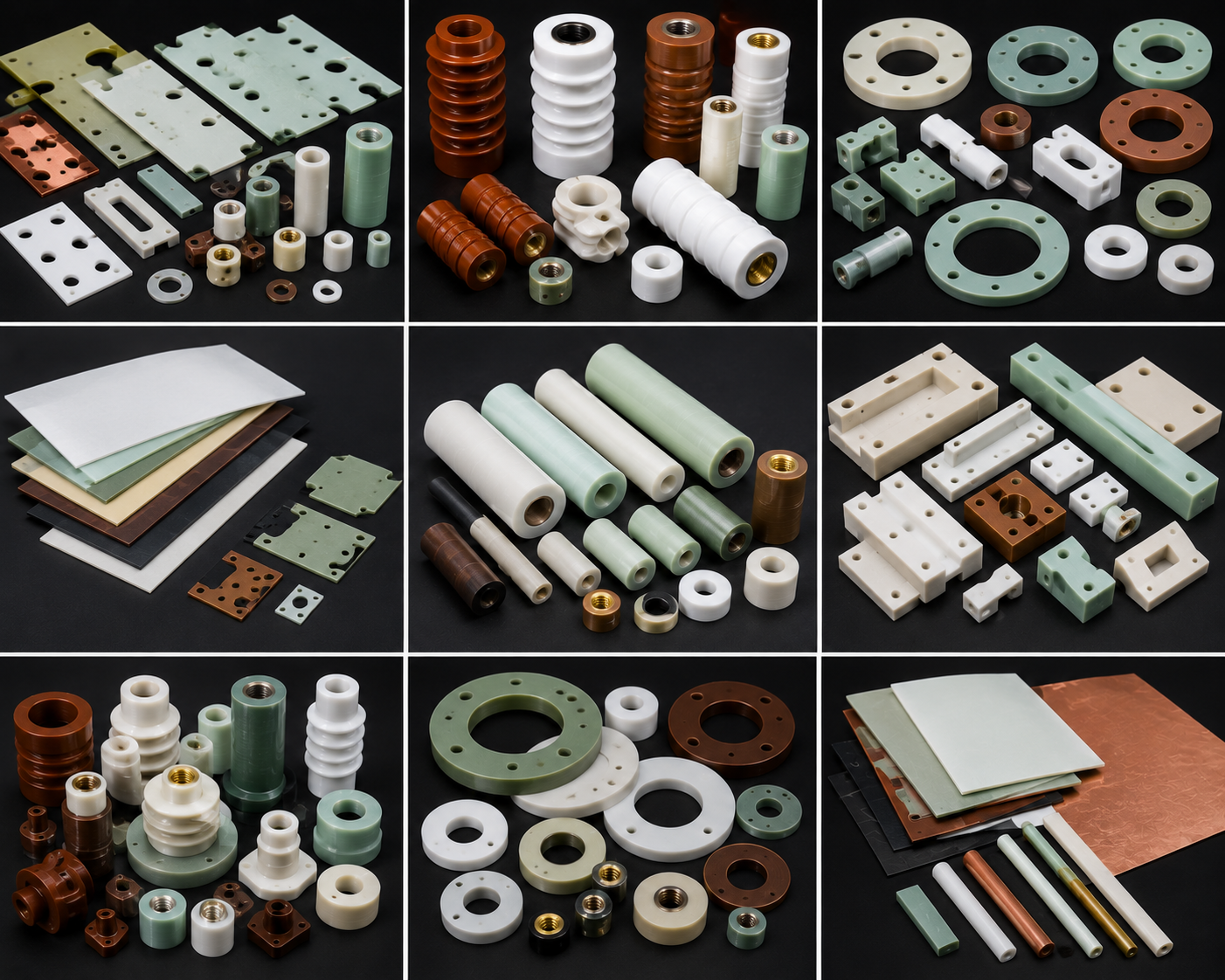
Theme: Precision Electrical Insulation Components
Featured Snippet Summary
No, duct tape should not be used in place of electrical tape for most electrical applications. Electrical tape is specifically designed to provide electrical insulation, flame resistance, flexibility, and long-term protection for wires and electrical components, while duct tape is intended for general repairs and sealing tasks.
Conclusion
Although duct tape and electrical tape may look similar, they serve very different purposes. Electrical tape is engineered to safely insulate electrical conductors and withstand electrical environments, while duct tape is designed for general-purpose repairs and mechanical applications.
For safety, reliability, and code compliance, electrical tape or other certified electrical insulation products should always be used when working with electrical wiring and connections.