
Is a Piece of Paper an Insulator?
Paper is one of the most common materials used in everyday life, but many people wonder whether it can actually function as an insulator. The answer depends on what type of insulation is being discussed—electrical, thermal, or acoustic.
Yes, a piece of paper is generally considered an insulator. Dry paper is a poor conductor of electricity and heat, making it an effective electrical and thermal insulator in many applications. However, its insulating performance is limited compared to specialized materials such as foam, fiberglass, mineral wool, PET film, or ceramic insulation.
Because paper is inexpensive, lightweight, and easy to process, it has been used as an insulating material for decades in electrical equipment, packaging, and industrial applications.
Why Is Paper an Insulator?
Paper is primarily made from cellulose fibers.
These fibers contain:
- Air pockets
- Non-metallic molecules
- Low thermal conductivity
Because there are very few free electrons available to carry electrical current, dry paper does not allow electricity to flow easily.
Similarly, the trapped air within the paper structure slows heat transfer.
Theme: Paper Insulation Materials
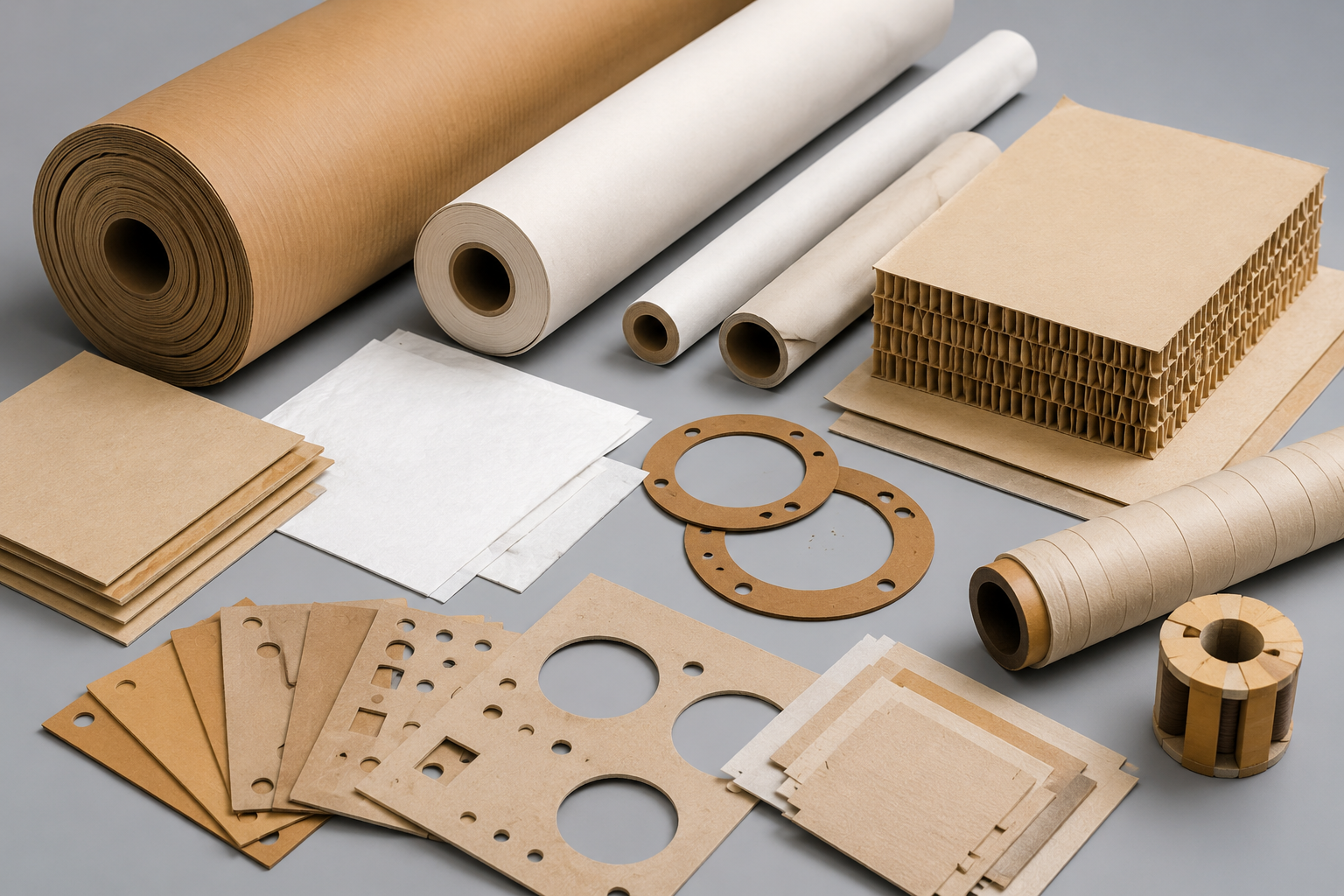
Is Paper a Good Electrical Insulator?
Under dry conditions, paper is a surprisingly good electrical insulator.
Historically, paper has been used in:
- Transformers
- Capacitors
- Electric motors
- Cable insulation
- Electrical winding systems
Advantages
- Low electrical conductivity
- Lightweight
- Easy to convert and process
- Low cost
However, paper loses much of its insulating ability when exposed to moisture.
Water significantly increases conductivity and can lead to electrical failure.
Is Paper a Good Thermal Insulator?
Paper provides moderate thermal insulation because it traps air between its fibers.
Air itself is a poor conductor of heat.
This is why:
- Newspapers can provide temporary insulation
- Cardboard reduces heat transfer
- Paper packaging helps protect temperature-sensitive products
However, paper is not as effective as:
- Polyurethane foam (PUF)
- Mineral wool
- Fiberglass
- Aerogel
- Silicone foam
These specialized materials offer significantly lower thermal conductivity.
Does Thickness Affect Insulation Performance?
Yes.
Thicker paper generally provides better insulation.
Examples include:
Standard Printing Paper
- Very limited thermal insulation
- Primarily used for electrical isolation
Cardboard
- Better thermal insulation
- Common in packaging applications
Honeycomb Paper Structures
- Enhanced insulation performance
- Lightweight design
- Sustainable alternative materials
The more trapped air within the structure, the better the insulation.
When Is Paper Not a Good Insulator?
Paper has several limitations.
Moisture Exposure
Wet paper conducts electricity much more easily than dry paper.
High Temperatures
Paper can degrade, char, or burn when exposed to excessive heat.
Harsh Industrial Environments
Paper lacks the durability of engineered insulation materials.
For demanding applications, manufacturers often choose:
- PET films
- Polyimide films
- Silicone foam
- Mineral wool
- Ceramic insulation
Theme: Electrical Insulation Components
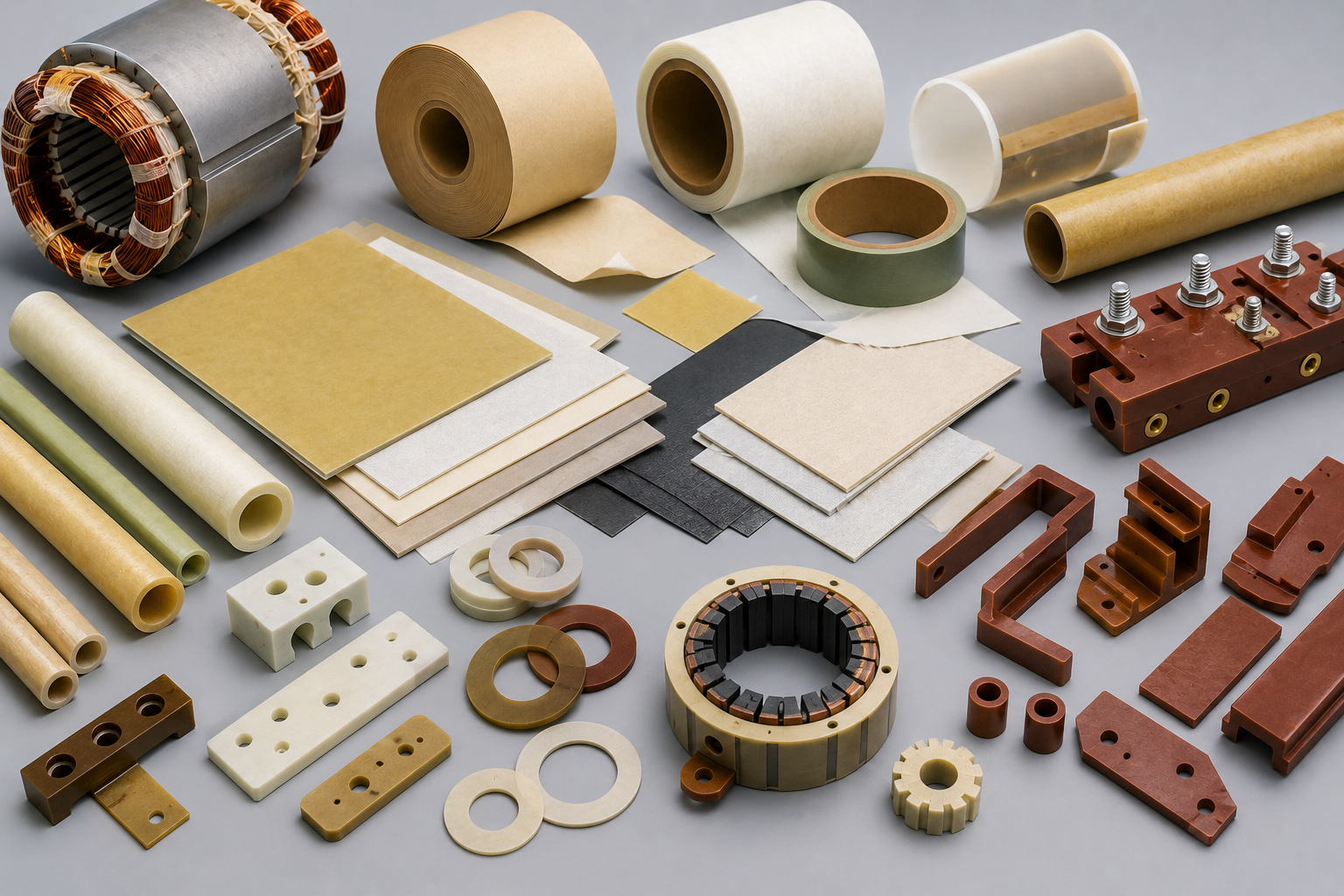
Paper vs Other Insulating Materials
| Material | Electrical Insulation | Thermal Insulation | Moisture Resistance |
|---|---|---|---|
| Paper | Good (Dry) | Moderate | Poor |
| PET Film | Excellent | Moderate | Excellent |
| Fiberglass | Excellent | Excellent | Good |
| Mineral Wool | Excellent | Excellent | Good |
| Silicone Foam | Excellent | Good | Excellent |
| Ceramic | Excellent | Excellent | Excellent |
Paper remains useful for low-cost insulation but is often replaced by engineered materials in demanding applications.
Where Is Paper Used as an Insulator?
Electrical Equipment
Used in:
- Transformers
- Capacitors
- Motor windings
Packaging
Used to reduce heat transfer and protect products during shipping.
Construction
Specialized cellulose-based insulation products are used in some building applications.
Industrial Products
Paper can serve as a temporary or secondary insulation layer.
How Sanken Manufacturing Supports Insulation Applications
Dongguan Sanken Electronics Manufacturing Co., Ltd. provides precision insulation solutions for OEM manufacturers worldwide.
Our capabilities include:
- Precision die cutting
- PET insulation film converting
- Foam converting
- Non-woven material processing
- Adhesive laminating
- Thermal insulation assemblies
Key Advantages
- OEM and ODM customization
- ISO 9001 certified quality management
- RoHS and REACH compliant materials
- Domestic and overseas production bases
- Cleanroom precision manufacturing
- Tool development from drawings or samples
We support automotive NVH insulation systems, consumer electronics insulation materials, and custom sealing solutions.
Theme: Custom OEM Insulation Solutions
Featured Snippet Summary
Yes, a piece of paper is an insulator. Dry paper resists the flow of electricity and slows heat transfer because it contains non-conductive cellulose fibers and trapped air pockets. However, its insulation performance is lower than specialized materials such as fiberglass, mineral wool, foam insulation, and PET films.
Conclusion
Paper is generally considered an electrical and thermal insulator when dry. Its low cost, lightweight structure, and ease of processing make it useful in electrical equipment, packaging, and certain insulation applications.
However, for demanding industrial, automotive, and electronics applications, engineered insulation materials such as PET films, foams, mineral wool, and non-woven insulation materials typically provide superior performance and long-term reliability.