
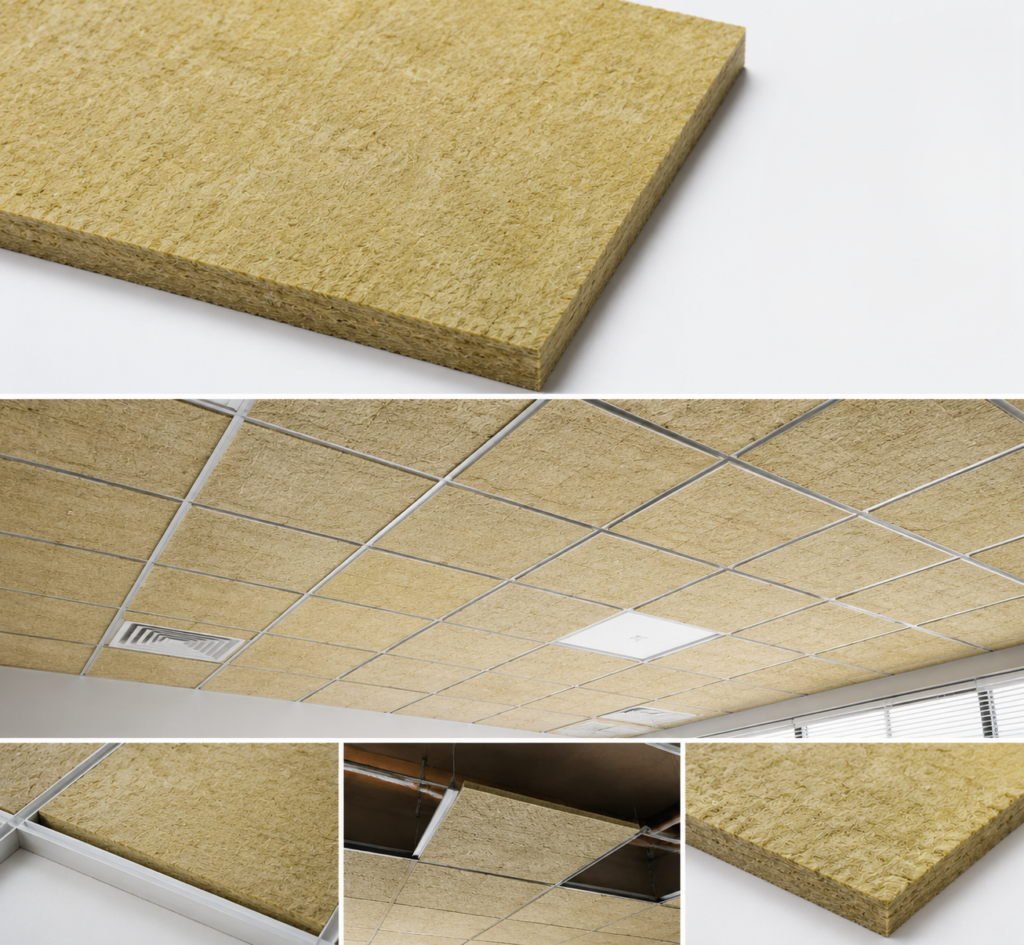
Should You Glue Mineral Wool Insulation?
When I first started working with clients on insulation projects, I noticed a recurring question: should we glue down mineral wool insulation? Many OEMs struggle with maintaining tight tolerances and long-term stability, especially when dealing with walls, ceilings, or complex assemblies. Using the wrong method can cause sagging, gaps, or wasted materials ([placeholder link]).
In our experience at Sanken, gluing mineral wool insulation is rarely the best first solution. Mineral wool naturally stays in place due to its density and friction. In most wall and floor applications, a proper fit between studs or joists is sufficient. We only recommend adhesives in specific scenarios, such as ceiling panels or irregular vertical spaces, and always with compatible adhesives that won’t compromise the insulation fibers ([placeholder link]).
Even a high-quality panel can underperform if installed incorrectly. The right method saves time, maintains thermal and acoustic performance, and prevents costly rework.
Why Some Installers Consider Glue
Ceiling or Vertical Installations
- Panels that don’t have secure mechanical support can sag over time.
- Glue can temporarily hold them in place until fasteners or friction take effect ([placeholder link]).
Complex or Irregular Spaces
- In oddly shaped cavities, adhesive helps maintain alignment.
- But without proper substrate preparation, it may fail.
Speed of Installation
- Adhesives can speed up temporary placement.
- Yet they add cost and potential chemical compatibility risks.
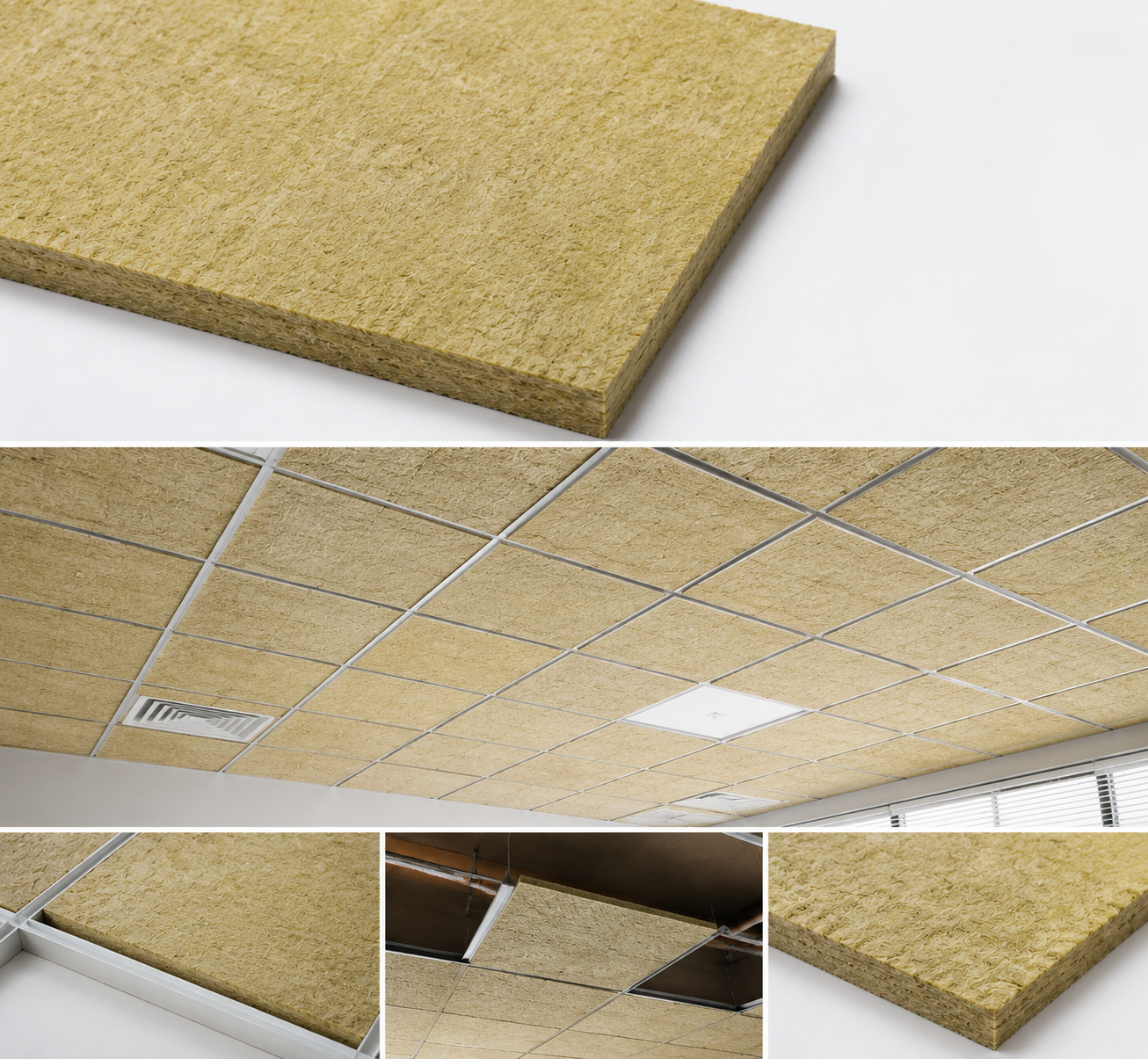
How We Do It Better at Sanken
We’ve seen countless installers struggle with mineral wool panels sagging or shifting after a few months. Here’s why Sanken stands out:
Material Expertise
- We develop our own mineral wool formulas, ensuring density, thickness, and dimensional stability are optimized ([placeholder link]).
- This reduces the need for adhesives in most cases.
Precision Fit
- Our precision cutting and material conversion processes ensure panels fit perfectly in the intended cavities.
- This minimizes gaps, sagging, or compression over time.
One-Stop Process Control
- From material R&D to die-cutting, spraying, hot-pressing, and finishing, we control every step.
- This guarantees batch consistency and reduces installation errors.
Quality and Verification
- IATF 16949, ISO 9001, ISO 14001 certified processes.
- Advanced detection equipment ensures each panel meets specification before leaving our facility ([placeholder link]).
This combination is why OEMs trust us over competitors who rely on standard panels and limited QC.
Pros and Cons of Gluing Mineral Wool
| Pros | Cons |
|---|---|
| Can hold panels in tricky spaces | Adhesive may fail over time |
| Reduces initial shifting | Some adhesives harm insulation fibers |
| Speeds temporary installation | Adds cost and labor for proper application |
When Glue Is Truly Needed
- Ceiling panels without additional support
- Irregular vertical cavities where friction alone is insufficient
- Quick mock-up or temporary installations where later adjustments are planned
Even then, the adhesive must be compatible with the mineral wool and the substrate. We help our clients choose the right adhesive and provide pre-installation support to ensure reliability ([placeholder link]).
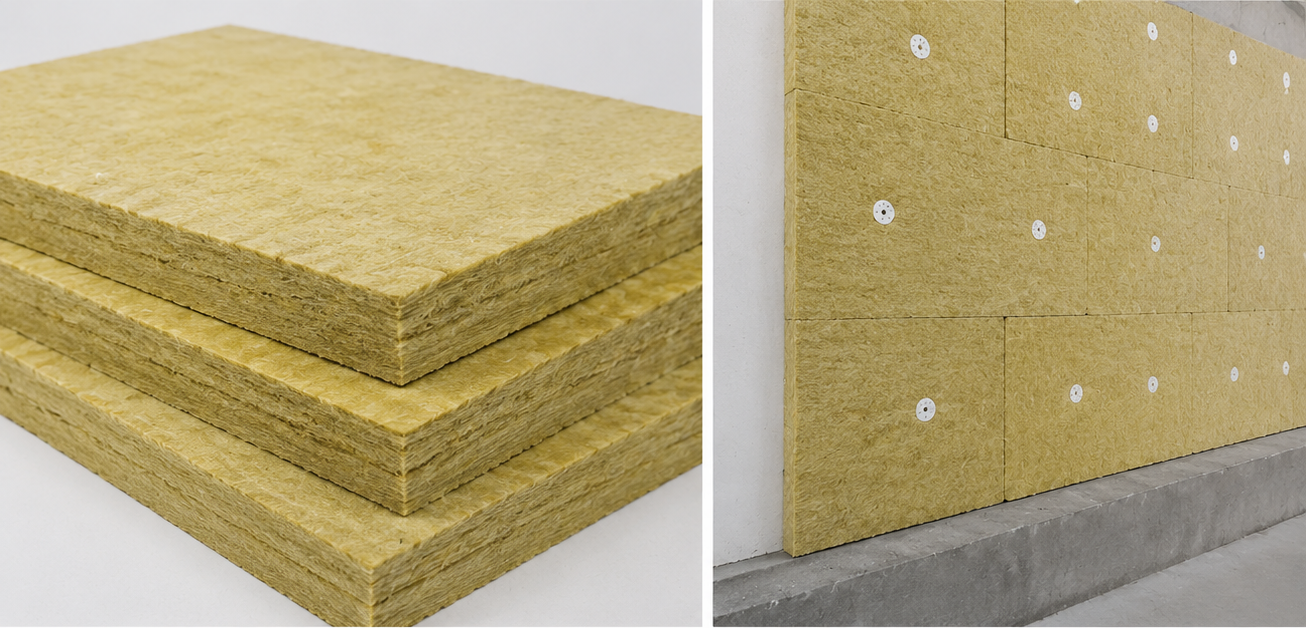
Common Mistakes We Fix
At Sanken, we often see OEMs struggle with:
- Panels sagging after months of use
- Gaps forming between batts due to inconsistent thickness
- Adhesives reacting with insulation binders, reducing R-value
- Managing multiple suppliers for different components
We solve all of these by providing custom-cut panels, one-stop processing, and batch-verified materials, so your installation performs perfectly the first time.
Conclusion
Gluing mineral wool insulation is rarely necessary when panels are precision cut and properly sized. At Sanken, our material expertise, precision die-cutting, and one-stop process control ensure long-term performance. When adhesives are required, we guide our clients to safe, compatible choices, saving time, reducing rework, and guaranteeing consistent results ([placeholder link]).