
What Industries Use Non-Woven Fabric the Most? Why This Versatile Material Is Quietly Powering Modern Manufacturing
Most people interact with non-woven fabric every day without realizing it.
It may be inside the car they drive, the medical mask they wear, the air filter protecting their home, or the packaging cushioning a valuable electronic device during transportation.
Despite being largely invisible to end users, non-woven fabric has become one of the most important engineered materials in modern manufacturing.
Its lightweight structure, cost efficiency, customization flexibility, filtration capability, cushioning performance, and compatibility with die-cutting and laminating processes make it indispensable across numerous industries.
The industries that use non-woven fabric the most include automotive, medical, healthcare, filtration, electronics, construction, packaging, hygiene products, and industrial manufacturing. As global manufacturers continue to pursue lightweight, sustainable, and high-performance materials, demand for engineered non-woven solutions continues to grow rapidly.
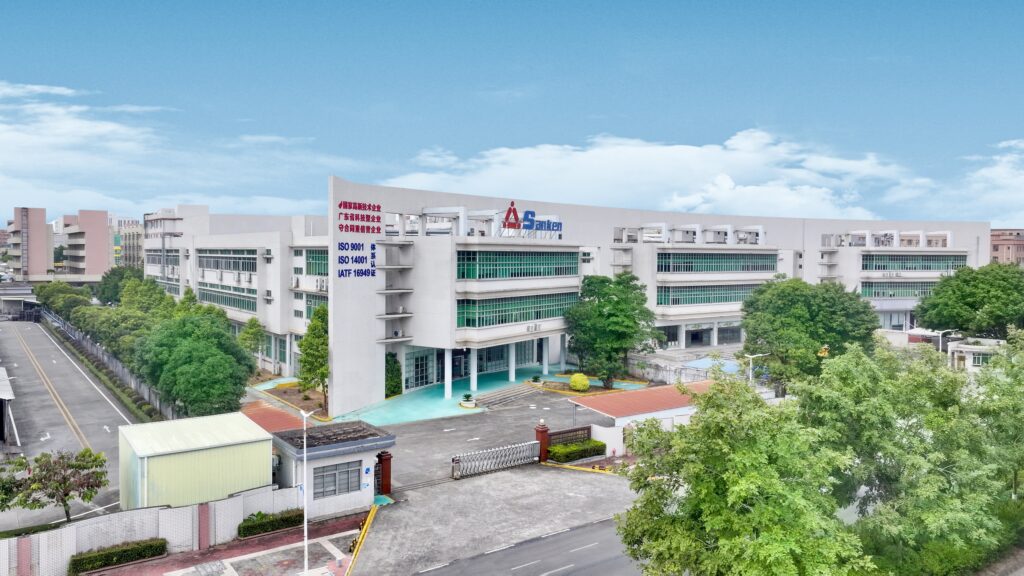
At Sanken Manufacturing, we work closely with OEM customers worldwide to convert, laminate, die-cut, and fabricate non-woven materials into precision components used across demanding industrial applications.
Why Non-Woven Fabric Has Become So Popular
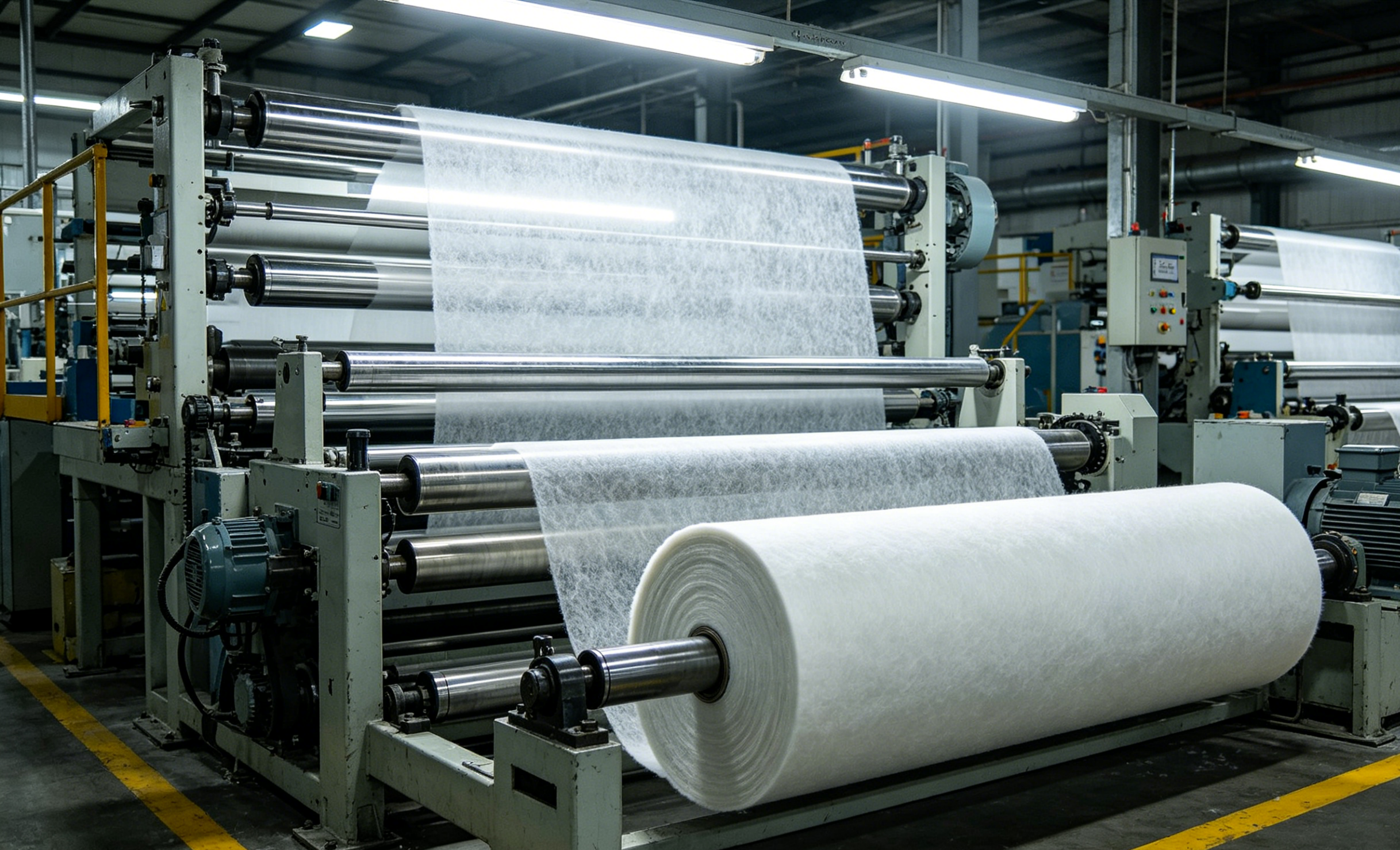
Unlike traditional woven textiles, non-woven fabrics are manufactured by bonding fibers together through mechanical, thermal, or chemical processes.
This creates unique advantages:
- Lightweight construction
- Excellent breathability
- Cost-effective production
- Flexible thickness options
- Good thermal insulation
- Sound absorption properties
- Filtration efficiency
- Easy die-cutting and converting
Because of these characteristics, non-woven materials can be engineered for highly specialized applications that traditional fabrics often cannot achieve.
Automotive Industry: One of the Largest Consumers of Non-Woven Fabric
Few industries rely on non-woven materials as extensively as automotive manufacturing.
Modern vehicles contain dozens of non-woven components hidden throughout the cabin and body structure.
Common applications include:
- Interior trim backing
- Headliners
- Door panels
- Carpet systems
- Trunk liners
- Acoustic insulation pads
- Thermal barriers
- Battery protection materials
- NVH components
Automotive engineers increasingly favor non-woven fabrics because they offer an excellent balance of:
- Weight reduction
- Acoustic performance
- Durability
- Sustainability
- Cost control
As electric vehicles become more common, demand for lightweight acoustic materials continues to increase.
At Sanken, we help automotive OEMs convert and die-cut non-woven materials into precision components that improve vehicle comfort, thermal management, and noise reduction.
Medical and Healthcare Industry
The medical sector became one of the most visible users of non-woven materials during the global pandemic.
However, healthcare applications extend far beyond face masks.
Medical non-woven products include:
- Surgical gowns
- Sterilization wraps
- Wound dressings
- Medical drapes
- Isolation garments
- Disposable bedding
- Protective clothing
Healthcare manufacturers prefer non-woven fabrics because they provide:
- High cleanliness
- Disposable convenience
- Liquid resistance
- Breathability
- Cost-efficient mass production
Many medical-grade non-wovens must also comply with strict regulatory standards for safety and hygiene.
Filtration Industry
Non-woven materials play a critical role in filtration systems.
Their fiber structures can be engineered to capture particles while maintaining airflow.
Applications include:
- HVAC filters
- Air purifier filters
- Automotive cabin filters
- Industrial dust collection systems
- Water filtration systems
- Cleanroom filtration
As global concerns regarding air quality continue to rise, the filtration industry remains one of the fastest-growing consumers of advanced non-woven materials.
Electronics Industry
Modern electronic devices often rely on non-woven materials for protection and insulation.
Examples include:
- Battery insulation layers
- EMI shielding support materials
- Protective cushioning pads
- Thermal management systems
- Display protection components
- Precision adhesive laminates
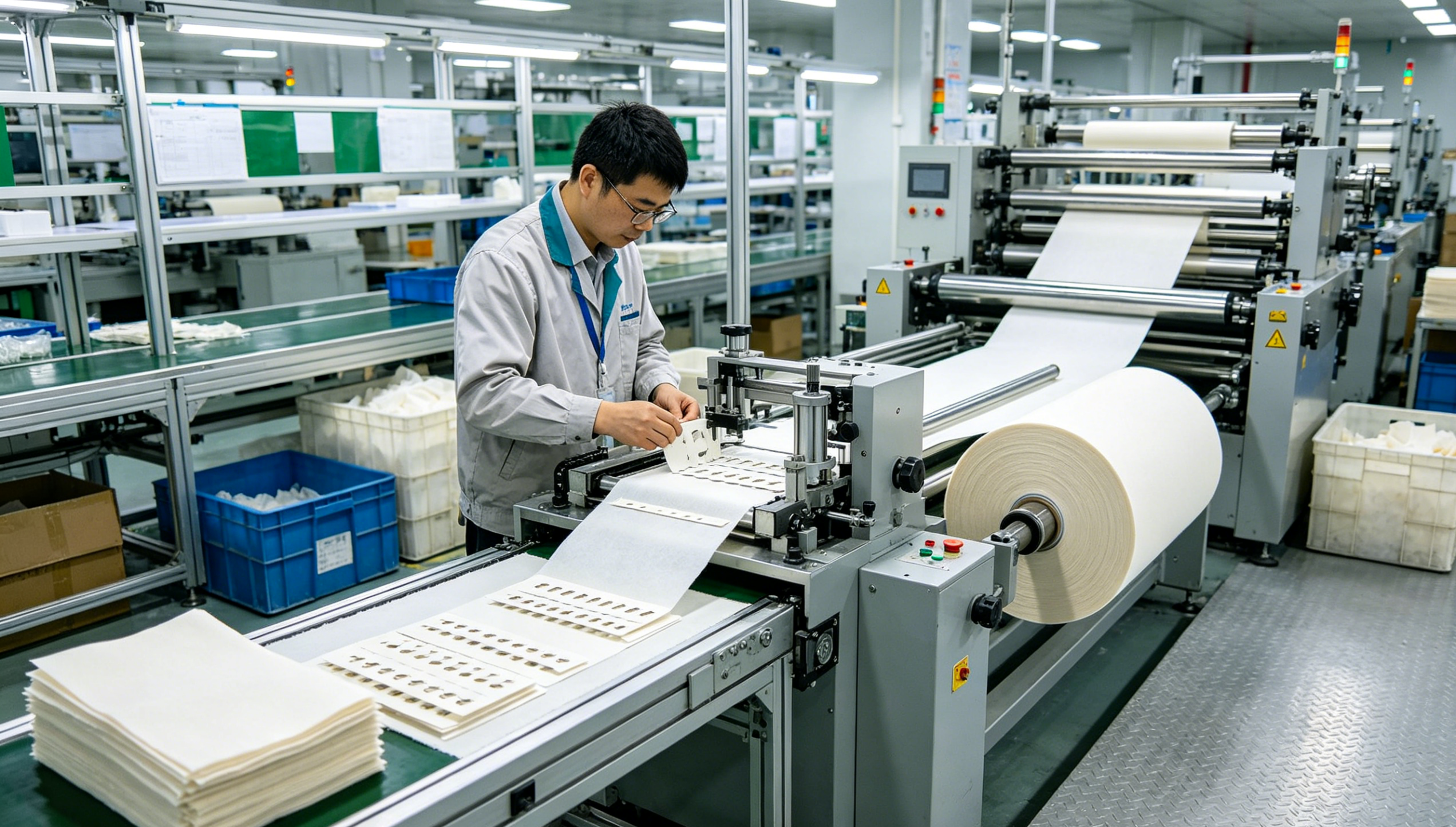
Because many electronic products require extremely tight tolerances, non-woven materials are frequently converted using precision die-cutting processes.
At Sanken, we manufacture customized die-cut non-woven components for electronics customers requiring high precision and consistent quality.
Hygiene Product Industry
The hygiene industry represents one of the largest global markets for non-woven fabrics.
Products include:
- Baby diapers
- Adult incontinence products
- Feminine hygiene products
- Wet wipes
- Disposable towels
Manufacturers value non-wovens because they provide:
- Softness
- Absorbency
- Comfort
- Low cost
- High-volume manufacturability
The continuous growth of healthcare and aging populations worldwide is expected to drive further demand in this sector.
Construction Industry
Non-woven materials are widely used in modern building and infrastructure projects.
Applications include:
- Roofing membranes
- House wraps
- Waterproof barriers
- Geotextiles
- Drainage systems
- Thermal insulation support layers
Construction engineers appreciate the durability and flexibility of engineered non-woven products, particularly in large-scale infrastructure projects.
Packaging Industry
As global e-commerce continues to expand, packaging manufacturers increasingly rely on non-woven materials for product protection.
Applications include:
- Protective wraps
- Cushioning materials
- Reusable shopping bags
- Industrial packaging liners
- Shipping protection systems
Compared with traditional materials, non-woven fabrics often provide superior strength-to-weight ratios while helping reduce packaging waste.
Industrial Manufacturing Applications
Industrial manufacturing encompasses a wide range of non-woven uses.
Examples include:
- Equipment insulation
- Acoustic barriers
- Gaskets
- Sealing systems
- Protective covers
- Composite reinforcement layers
Many of these applications require secondary converting operations such as:
- Die cutting
- Laminating
- Adhesive coating
- Hot pressing
- Slitting
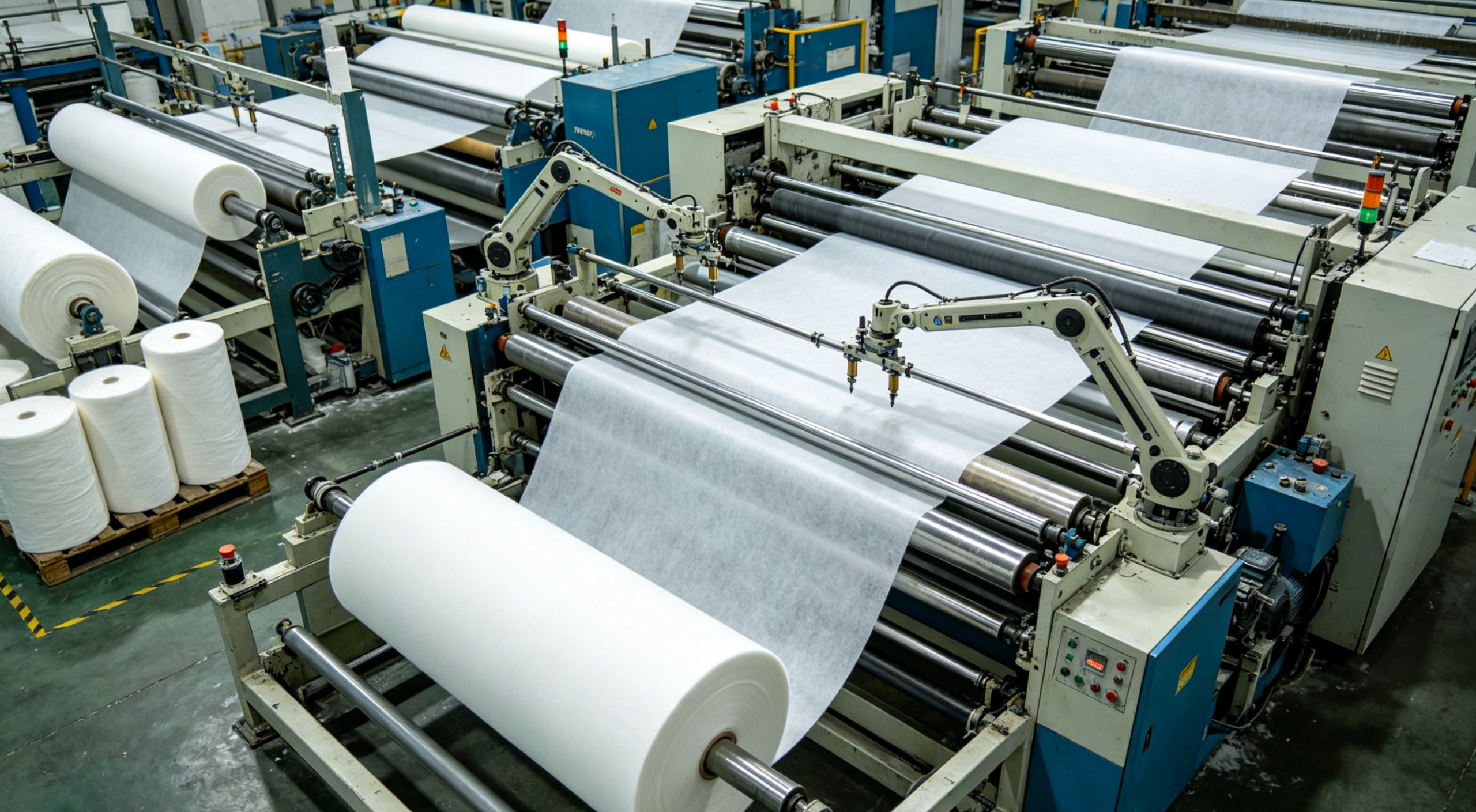
This is where material conversion specialists like Sanken add significant value by transforming raw non-woven rolls into ready-to-install components.
Why OEM Manufacturers Are Choosing Customized Non-Woven Solutions
Historically, many companies purchased standard non-woven materials directly from fabric suppliers.
Today, that approach is changing.
OEMs increasingly require:
- Precise dimensions
- Multi-layer constructions
- Integrated adhesive systems
- Functional laminates
- Specialized acoustic performance
- Thermal insulation properties
As a result, customized converting has become just as important as the material itself.
At Sanken, we provide:
- Precision die cutting
- Material laminating
- Foam-to-nonwoven bonding
- Adhesive application
- Hot pressing
- Custom fabrication
This allows customers to receive finished components rather than raw materials, reducing assembly complexity and improving production efficiency.
Why Sustainability Is Driving Future Growth
Sustainability has become a major factor in material selection.
Many modern non-woven materials now incorporate:
- Recycled fibers
- Renewable raw materials
- Lightweight structures
- Reduced material waste
Automotive manufacturers in particular are increasingly adopting eco-friendly non-woven solutions to support sustainability initiatives while maintaining performance standards.
This trend is expected to accelerate across nearly every major industry over the coming decade.
How to Choose the Right Non-Woven Material Supplier
Not all suppliers offer the same capabilities.
When evaluating a non-woven material partner, buyers should consider:
- Material expertise
- Converting capabilities
- Precision die-cutting experience
- Quality certifications
- Engineering support
- Production scalability
- Industry-specific knowledge
A supplier capable of both material sourcing and precision converting can often reduce development time and simplify supply chain management.
At Sanken, our expertise in non-woven materials, foam converting, die cutting, laminating, and custom manufacturing enables us to support customers from concept through mass production.
Conclusion
Non-woven fabric has become an essential material across automotive, medical, filtration, electronics, hygiene, construction, packaging, and industrial manufacturing industries. Its versatility, lightweight structure, and adaptability make it one of the fastest-growing engineered materials in the world. At Sanken Manufacturing, we help OEM customers transform non-woven materials into precision die-cut and converted components that improve product performance, manufacturing efficiency, and long-term reliability.