
What Is the Best Noise-Reducing Underbody Shield for Cars? The Hidden Component That Quietly Changes Driving Comfort
A customer once complained that their new vehicle looked premium but sounded surprisingly noisy on the highway.
The engine was refined.
The cabin design looked modern.
Yet road noise constantly entered the interior, especially at high speeds and on rough pavement.
After inspection, the problem was not the suspension system.
It was not the tires either.
The real issue came from the underbody shielding system.
Most drivers never think about the underside of a vehicle. But automotive engineers know something important: the underbody area is one of the biggest pathways for road noise, vibration, airflow turbulence, water impact, and heat transfer into the cabin.
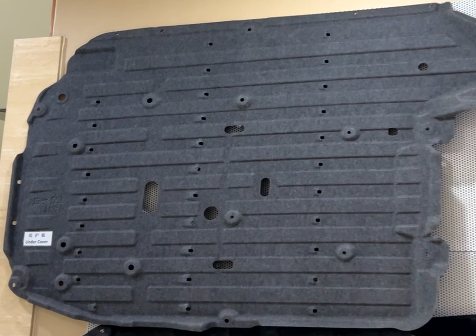
The best noise-reducing underbody shields for cars combine lightweight acoustic materials, vibration damping layers, thermal insulation structures, aerodynamic design, and precision-molded composite construction. Modern automotive OEMs increasingly use multi-layer foam composites, felt insulation systems, non-woven acoustic materials, reinforced thermoplastic shields, and precision die-cut sealing structures to improve both cabin comfort and vehicle efficiency.
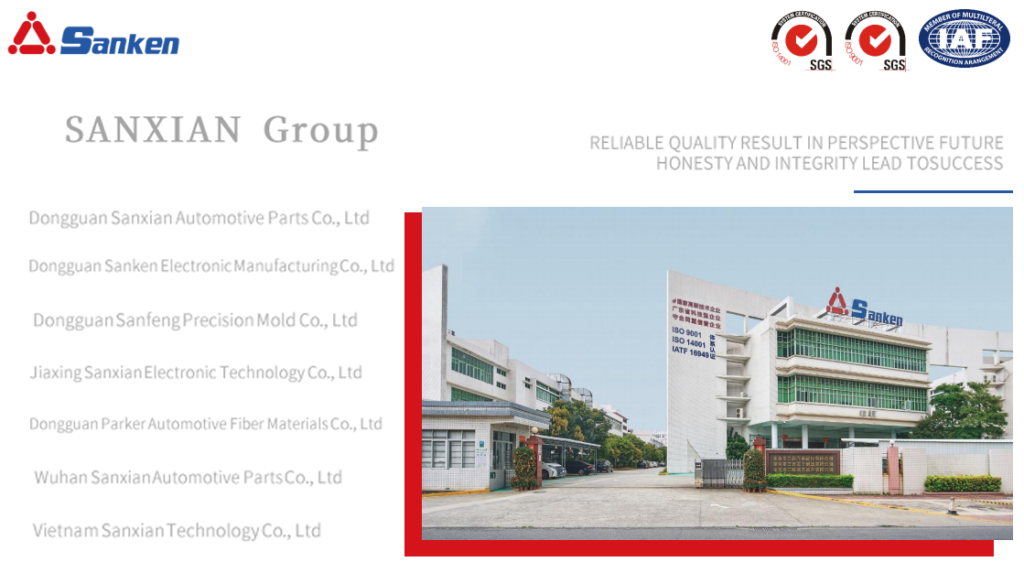
At Sanken, we help automotive customers develop advanced underbody acoustic solutions through precision die cutting, foam converting, hot pressing, laminating, and integrated material engineering technologies designed for scalable vehicle production.
Why Underbody Noise Became a Major Automotive Problem
Years ago, engine noise masked many unwanted sounds.
Modern vehicles changed that completely.
Especially in:
- Electric vehicles
- Hybrid platforms
- Luxury passenger vehicles
- Lightweight automotive structures
Drivers now notice:
- Tire noise
- Stone impact sounds
- Airflow turbulence
- Floor vibration
- Water splash resonance
Much of this noise travels upward directly from the underbody.
That is why underbody acoustic engineering became extremely important in modern vehicle development.
What Does an Underbody Shield Actually Do?
Many people think underbody shields only protect mechanical components.
In reality, modern underbody systems perform multiple functions simultaneously.
They help:
| Function | Purpose |
|---|---|
| Noise reduction | Block road and airflow noise |
| Aerodynamics | Improve airflow efficiency |
| Thermal management | Reduce heat transfer |
| Splash protection | Prevent water intrusion |
| Stone impact protection | Protect vehicle structure |
| Vibration control | Reduce panel resonance |
Today’s underbody shields are highly engineered functional systems — not simple plastic covers.
Why Material Selection Matters So Much
Not all underbody materials perform equally.
Low-cost shields often create:
- Poor acoustic absorption
- Excessive vibration
- Weak durability
- Heat deformation
- Increased cabin resonance
Modern premium systems usually combine multiple material layers such as:
- Acoustic felt
- Closed-cell foam
- Thermoplastic composites
- Reinforced non-woven structures
- Vibration damping layers
At Sanken, material engineering plays a critical role because acoustic performance depends heavily on how materials interact under real driving conditions.
Why Felt-Based Acoustic Shields Became Popular
Automotive felt materials are widely used because they provide:
- Excellent sound absorption
- Lightweight structure
- Good thermal insulation
- Cost-effective scalability
Modern felt systems are far more advanced than traditional textile materials.
High-performance automotive felt may include:
- Recycled fiber composites
- Water-resistant coatings
- Reinforced structural layers
- Molded acoustic geometries
At Sanken, precision material converting helps optimize these acoustic structures for automotive mass production.
Why Foam Composite Shields Perform Better
Foam-based underbody systems help reduce:
- Structure-borne vibration
- Road impact noise
- Airflow resonance
Closed-cell foam is especially effective because it offers:
- Stable compression behavior
- Water resistance
- Thermal insulation
- Long-term durability
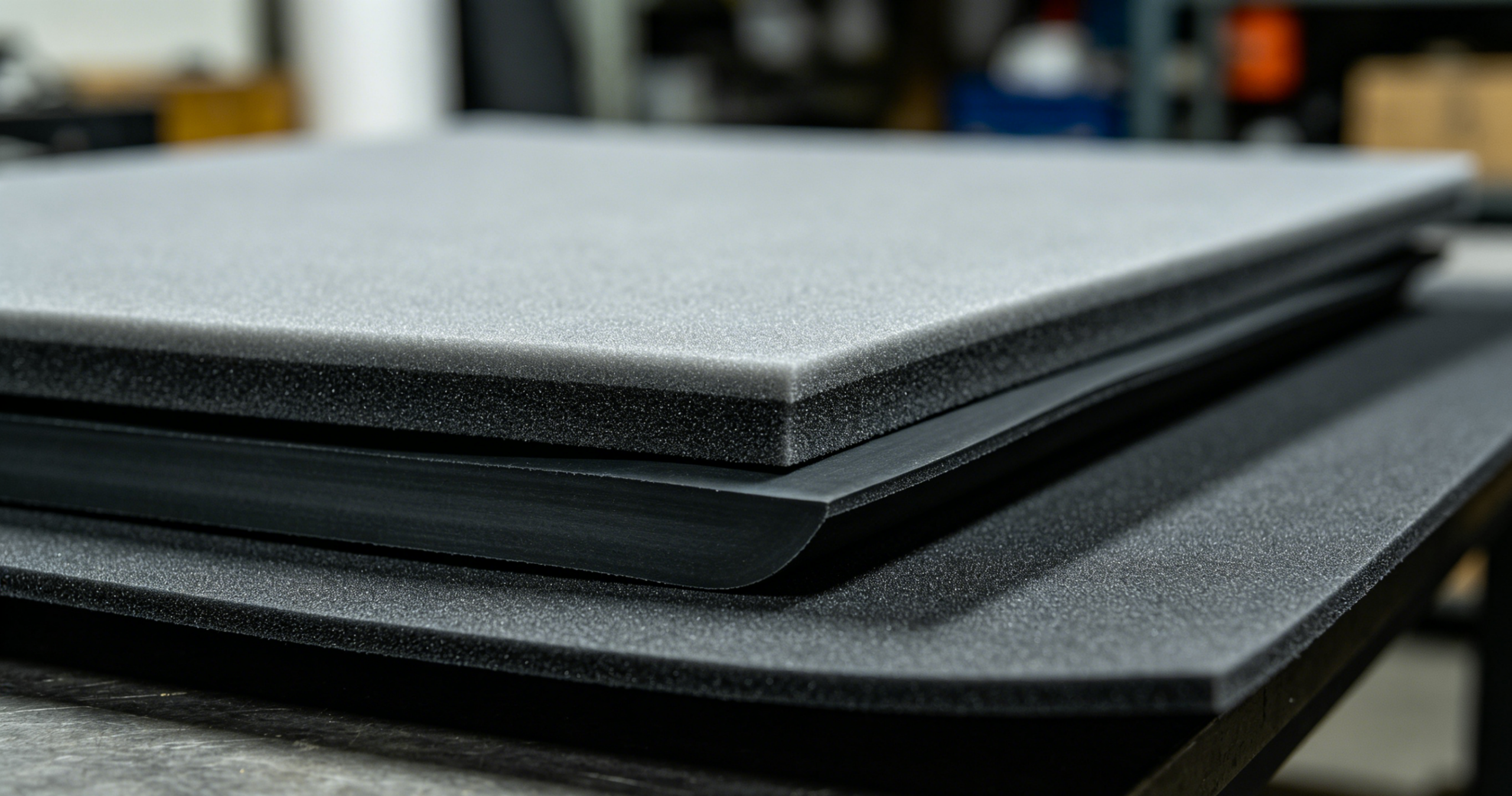
Modern OEM systems often combine:
- Foam isolation layers
- Felt absorbers
- Reinforced backing structures
- Precision sealing components
This multi-layer strategy dramatically improves overall cabin quietness.
Why EVs Changed Underbody Shield Design Completely
Electric vehicles created new acoustic challenges.
Without engine masking noise, passengers now hear:
- Tire interaction
- Air turbulence
- Chassis resonance
- Battery cooling system sounds
At the same time, EV battery systems require:
- Thermal protection
- Lightweight structures
- Water shielding
- Flame-resistant materials
This forced automakers to redesign underbody systems entirely.
At Sanken, we support EV acoustic and insulation applications through advanced material converting and precision die-cut manufacturing solutions.
Why Aerodynamics and Noise Reduction Are Connected
Many buyers do not realize airflow itself creates significant noise.
Poor aerodynamic underbody design may cause:
- Turbulence vibration
- Wind resonance
- Pressure fluctuation noise
Modern underbody shields are carefully engineered to smooth airflow beneath the vehicle.
This improves:
- Cabin quietness
- Driving stability
- Energy efficiency
- EV range performance
At Sanken, we help customers integrate acoustic and aerodynamic material solutions into scalable manufacturing systems.
Why Precision Die Cutting Matters for Underbody Shields
Large acoustic shields still require highly precise component integration.
Poor converting quality may create:
- Installation gaps
- Loose interfaces
- Vibration points
- Water leakage paths
At Sanken, precision die cutting supports:
- Accurate fitment
- Stable sealing performance
- Consistent material alignment
- Long-term dimensional stability
Because even excellent materials fail if assembly precision is unstable.
Why Durability Is Just as Important as Acoustic Performance
Underbody systems face extremely harsh environments:
- Water
- Mud
- Road salt
- Heat cycling
- Stone impacts
- Continuous vibration
Weak materials deteriorate quickly under these conditions.
At Sanken, we help customers evaluate:
- Thermal aging behavior
- Compression durability
- Moisture resistance
- Structural stability
- Adhesive reliability
Long-term durability is essential for maintaining acoustic performance over the vehicle lifespan.
Why One-Stop Manufacturing Reduces Risk
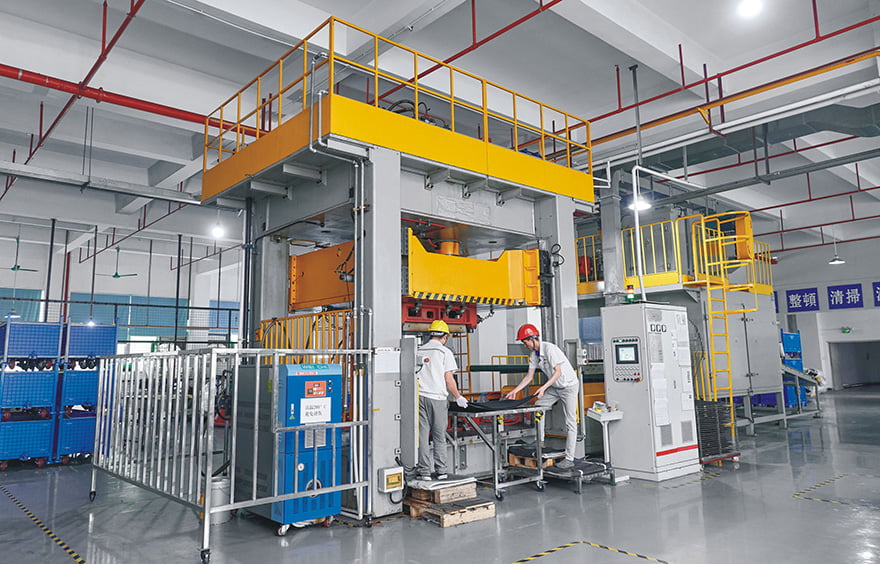
Underbody acoustic systems often require multiple manufacturing processes:
- Foam converting
- Laminating
- Hot pressing
- Precision die cutting
- Structural assembly
Managing separate suppliers increases:
- Development complexity
- Quality inconsistency
- Communication delays
At Sanken, we integrate:
- Precision die cutting
- Foam converting
- Adhesive laminating
- Hot pressing
- Injection molding support
- Material assembly
This one-stop manufacturing capability helps automotive customers simplify supply chains while improving production consistency.
So… What Is the Best Noise-Reducing Underbody Shield?
The best underbody shield is not defined by one single material.
The best systems combine:
- Acoustic absorption
- Vibration damping
- Lightweight engineering
- Thermal insulation
- Structural durability
- Aerodynamic optimization
Modern automotive OEMs increasingly rely on multi-layer acoustic composite structures rather than traditional single-layer plastic covers.
At Sanken, we help customers develop scalable underbody acoustic solutions tailored to modern automotive and EV platforms.
Conclusion
The best noise-reducing underbody shields for cars combine lightweight acoustic materials, vibration damping systems, thermal insulation structures, and precision-converted composite engineering to improve cabin comfort and vehicle performance. As automotive platforms evolve — especially in EVs — underbody acoustic systems play an increasingly important role in reducing road noise and enhancing driving refinement. At Sanken, we support automotive OEM customers through precision die cutting, foam converting, laminating, and integrated acoustic material manufacturing solutions designed for long-term production stability.