

Which Car Has the Cleanest Interior With No Fuss? Why “Simple Design” Is Becoming the New Luxury in Automotive Industry
A few years ago, luxury car interiors were defined by complexity.
Large screens.
Multiple control layers.
Ambient lighting everywhere.
Soft-touch materials covering every surface.
But something interesting is happening in today’s automotive market: buyers are starting to reject complexity. Many drivers now prefer interiors that feel calm, simple, intuitive, and effortless to maintain.
I’ve personally seen OEM discussions shift from “how advanced can we make this interior?” to “how clean and easy can we make it for real daily use?” That change is reshaping automotive design philosophy.
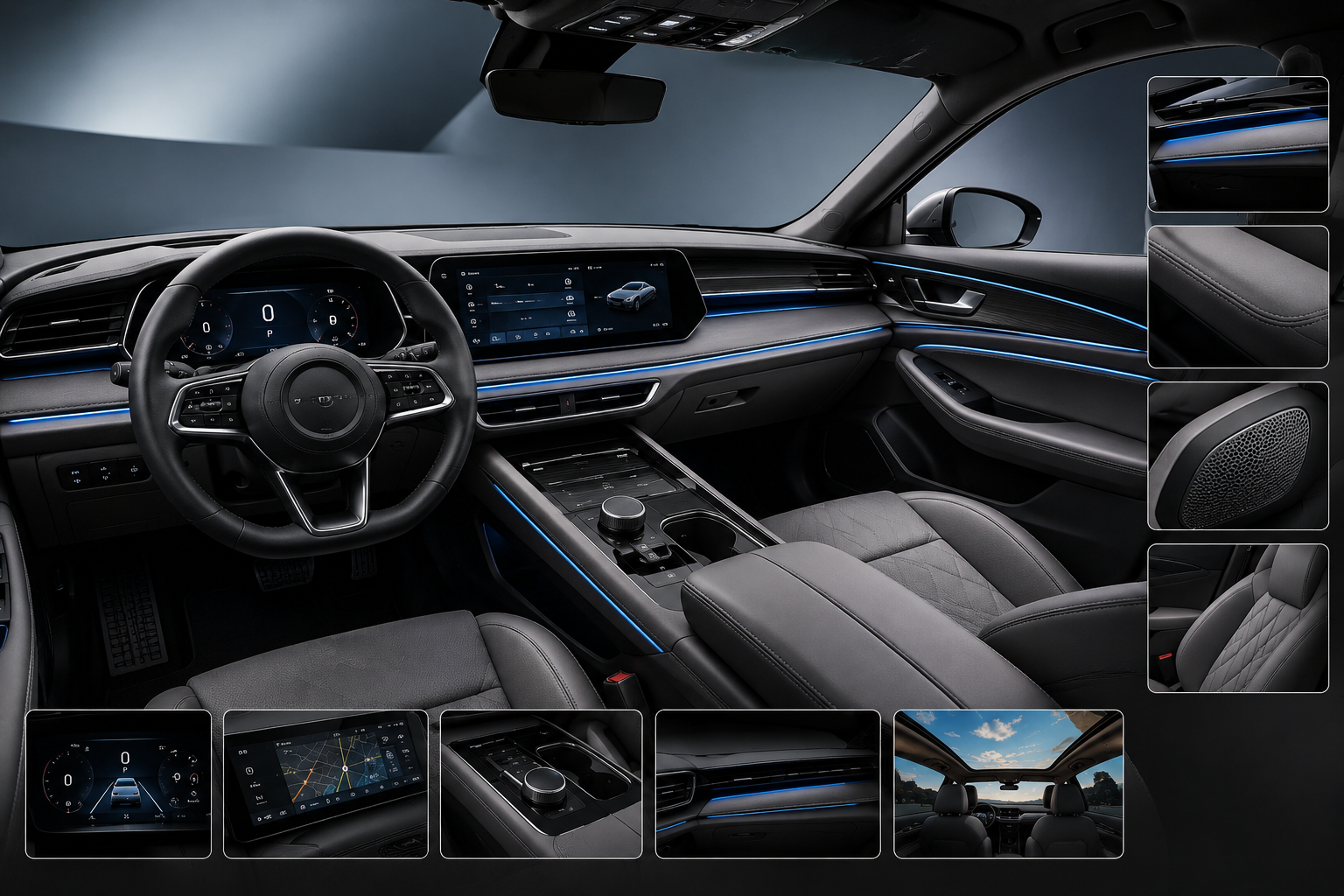
The cleanest car interiors with no fuss are typically found in vehicles that prioritize minimal design, physical controls reduction, durable surface materials, simplified user interfaces, and clutter-free layouts designed for easy maintenance and intuitive driving experience. These interiors focus on reducing visual noise, minimizing unnecessary components, and improving long-term usability rather than overloading the cabin with features.
At Sanken, we see this trend clearly from a manufacturing perspective, because simplifying interior design does not mean reducing engineering complexity — it often increases the demand for precision material integration and high-performance hidden components like foam die cuts, acoustic layers, and adhesive assemblies.
What Does “Clean Interior” Actually Mean?
A “clean interior” is not just about appearance.
It refers to how effortless the cabin feels during daily use.
A truly clean interior usually includes:
- Minimal physical buttons
- Organized dashboard layout
- Simple center console design
- Reduced visual clutter
- Easy-to-clean surfaces
- Intuitive controls
Drivers often describe these interiors as:
- Calm
- Focused
- Easy to understand
- Less distracting
But achieving this simplicity requires extremely advanced design and manufacturing decisions behind the scenes.
Why Some Cars Feel “Cleaner” Than Others
Not all clean interiors are created equal.
Some vehicles feel naturally simple, while others feel “over-designed.”
The difference usually comes from three factors:
1. Interface philosophy
Some brands prioritize touchscreen systems, while others retain physical controls for essential functions.
2. Material strategy
Smooth surfaces, hidden joints, and uniform textures reduce visual noise.
3. Component integration
Fewer visible parts means more hidden engineering work inside the structure.
The Hidden Engineering Behind a Clean Interior
Ironically, the cleaner the interior looks, the more complex it is to manufacture.
Behind a simple dashboard, there are often:
| Hidden Layer | Function |
|---|---|
| Foam die-cut parts | Vibration control |
| Acoustic insulation | Noise reduction |
| Adhesive laminates | Structural bonding |
| Thermal barriers | Heat protection |
| EMI shielding materials | Electronic stability |
| Precision spacers | Assembly alignment |
Without these hidden systems, a “clean” interior would quickly become noisy, unstable, or uncomfortable during real driving conditions.
At Sanken, we often say:
“Clean design on the outside requires controlled complexity on the inside.”
Why Tesla-Style Minimal Interiors Became Popular
Vehicles with ultra-minimal interiors gained attention because they:
- Remove unnecessary buttons
- Centralize controls into one screen
- Simplify dashboard structure
- Reduce physical part count
This creates a “clean room-like” visual experience.
However, this approach also introduces challenges:
- Higher software dependency
- Learning curve for drivers
- Screen distraction issues
- Hidden repair complexity
So while the design feels clean, usability depends heavily on execution quality.
Why Some Clean Interiors Feel Better Than Others
A truly satisfying interior is not only about minimalism.
It also depends on tactile and acoustic comfort.
Drivers subconsciously notice:
- Softness of surfaces
- Noise levels inside cabin
- Vibration feedback
- Temperature stability
- Button responsiveness (if present)
If any of these are poorly engineered, the interior no longer feels “clean,” even if it looks minimal.
This is where material engineering becomes critical.
The Role of Materials in Clean Interior Design
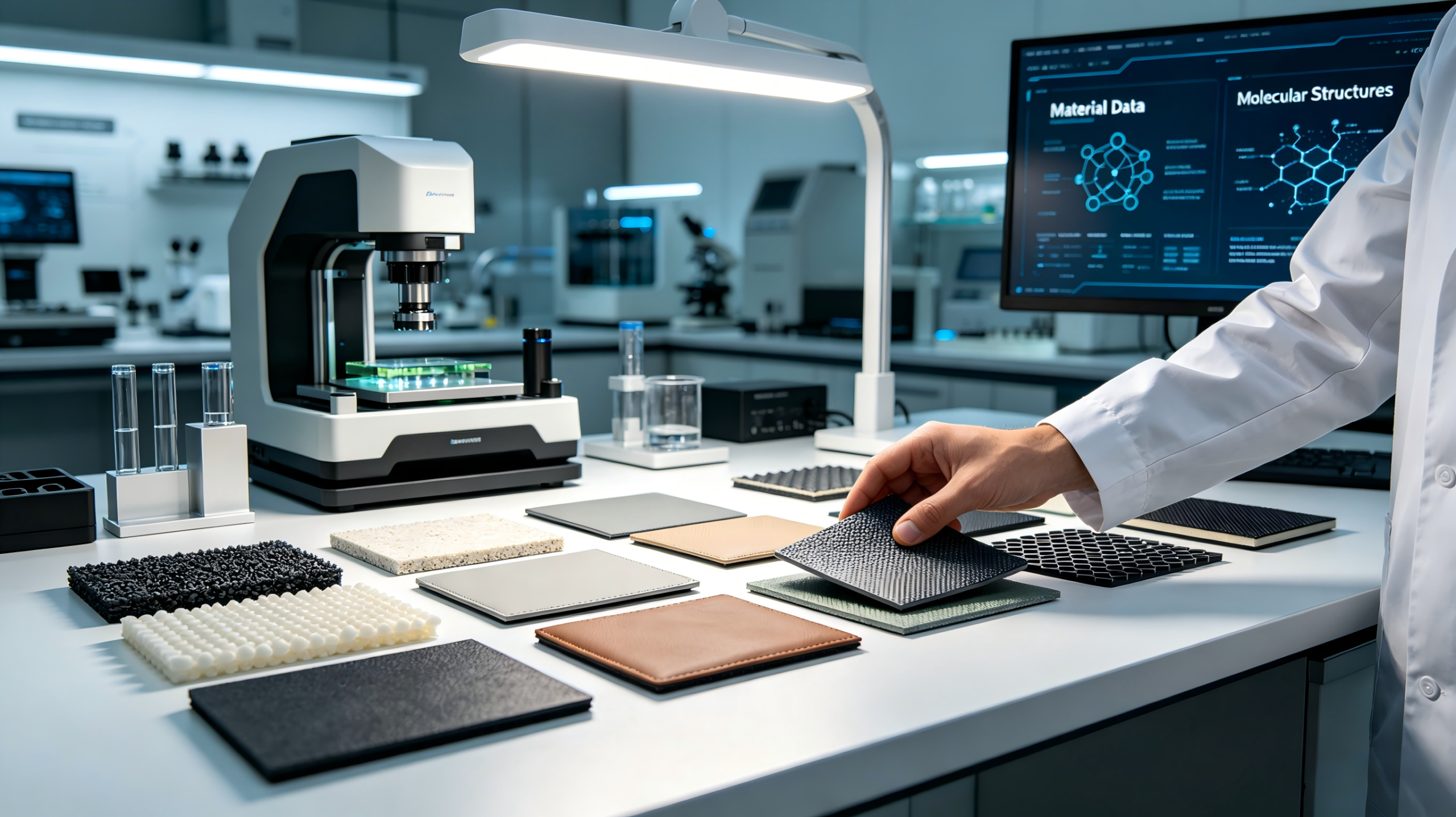
To achieve a clean, no-fuss interior, automakers rely heavily on advanced materials such as:
- Low-gloss decorative films
- Soft foam backing layers
- Anti-vibration pads
- Acoustic insulation sheets
- Precision die-cut sealing parts
- Durable adhesive systems
These components are invisible to users but essential for long-term comfort.
At Sanken, we specialize in integrating these materials through precision die cutting and material converting processes to ensure:
- Stable assembly fit
- Consistent surface finish
- Long-term durability
- Noise reduction performance
Why Clean Interiors Are Harder to Manufacture
Many people assume simplicity reduces manufacturing difficulty.
In automotive interiors, the opposite is true.
Clean design increases pressure on:
- Dimensional accuracy
- Material consistency
- Surface defect control
- Assembly tolerance
- Multi-layer alignment
Even a small deviation in foam thickness or adhesive alignment can create visible surface issues in a minimalist cabin.
This is why OEM suppliers must maintain extremely stable production systems.
Why OEM Buyers Care About “Clean Interior Systems”
Automotive manufacturers are now prioritizing:
- Simplified assembly processes
- Reduced component count
- Faster production cycles
- Higher quality consistency
- Lower warranty risk
At Sanken, we support these goals through:
- Precision die cutting
- Foam converting
- Adhesive laminating
- Hot pressing
- Multi-material integration
- Injection molding support
This allows OEM customers to achieve both design simplicity and manufacturing stability at scale.
So Which Car Actually Has the Cleanest Interior?
There is no single answer.
But in general, the cleanest interiors tend to come from vehicles that:
- Prioritize minimalism in design philosophy
- Use centralized digital control systems
- Reduce visible mechanical complexity
- Optimize material transitions carefully
- Focus on acoustic and tactile refinement
However, the “cleanest” interior is not just about appearance.
It is about how effortless it feels every day.
Conclusion
The cleanest car interiors with no fuss are the result of carefully balanced design, material engineering, and manufacturing precision. While minimal appearance plays a big role, true cleanliness comes from hidden systems that ensure comfort, stability, and durability. At Sanken, we help automotive OEM customers achieve this balance through advanced material converting and precision die cutting solutions that support modern interior design trends.