
How Are Cutter Dies Made for Scrapbooking? What Most Buyers Never Realize About Precision Die Manufacturing
Many buyers think scrapbook cutter dies are simple craft tools. But after dealing with broken blades, inconsistent cuts, paper tearing, poor embossing, or short tooling lifespan, they quickly realize the truth: a cutter die is only as good as the engineering behind it. I’ve seen beautiful designs become production nightmares because the die structure was unstable or the blade accuracy was inconsistent. In precision manufacturing, small tooling problems quickly become large production losses.
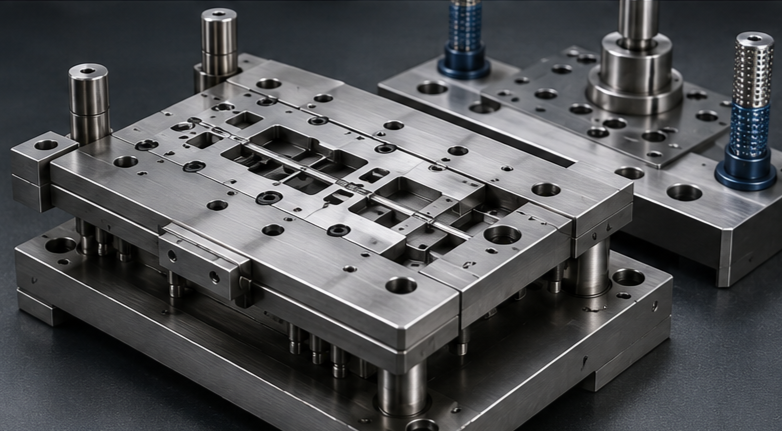
Scrapbook cutter dies are made through a precision manufacturing process involving CAD design, tooling engineering, steel blade forming, laser processing, heat treatment, assembly, and production testing. While scrapbook dies are often associated with creative industries, the actual manufacturing logic behind them is surprisingly similar to industrial die cutting used in automotive, electronics, and medical manufacturing. Precision, durability, and consistency are what separate professional die makers from ordinary suppliers.
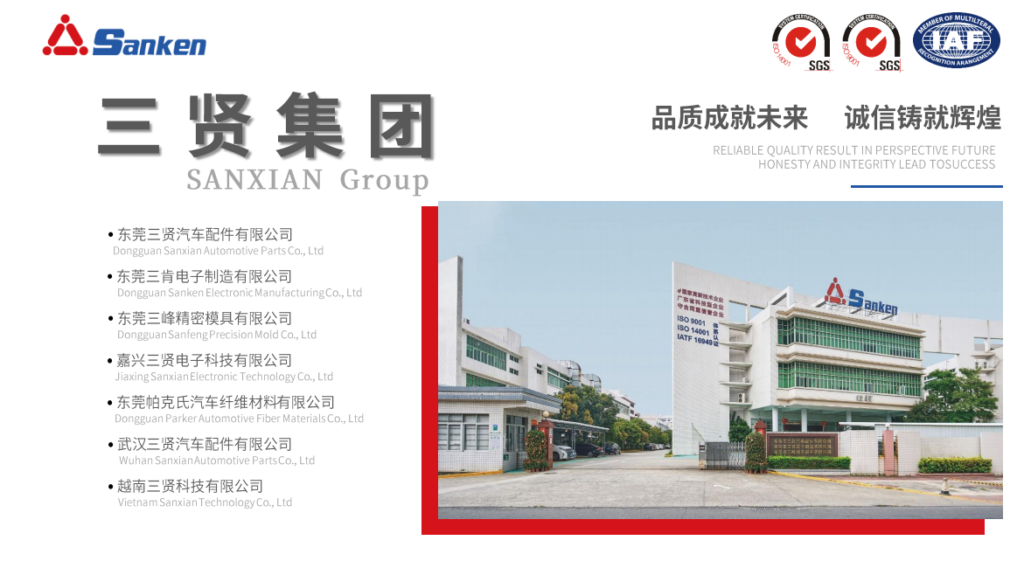
At Sanken, we understand that even decorative die cutting products require industrial-level manufacturing control if customers want stable quality, clean cuts, and long-term performance.
Why Scrapbook Cutter Dies Require More Precision Than People Expect
Many people assume scrapbook dies only need to “look good.”
That is not enough.
In real production, customers care about:
- Smooth cutting edges
- Fine detail reproduction
- Blade durability
- Clean paper release
- Stable embossing
- Long-term repeatability
If the die lacks precision, customers immediately notice:
- Torn paper
- Uneven edges
- Poor alignment
- Incomplete cuts
- Excessive wear
For high-volume craft brands, these issues quickly become customer complaints and return problems.
Everything Starts With the Design
Every cutter die begins with digital engineering.
At this stage, designers must consider far more than appearance.
A professional die design must balance:
| Design Factor | Why It Matters |
|---|---|
| Blade spacing | Prevents tearing |
| Cutting angle | Improves edge quality |
| Material thickness | Affects pressure control |
| Fine detail geometry | Maintains pattern accuracy |
| Paper release path | Prevents sticking |
Poor design creates instability later during production.
At Sanken, we always emphasize manufacturability, not just visual appearance.
That approach helps customers avoid expensive tooling revisions later.
How the Steel Blades Are Made
The cutting edge is usually formed from hardened steel rule blades.
These blades are carefully shaped into the required scrapbook patterns.
Depending on the complexity, manufacturers may use:
- CNC processing
- Laser cutting
- Automated blade bending
- Chemical etching
- Precision stamping
For intricate scrapbook designs, maintaining smooth curve accuracy is extremely important.
Even tiny blade deviations can affect cutting quality significantly.
Why Material Selection Is Critical
Not all steel performs the same way.
Low-grade blade materials may:
- Dull quickly
- Warp under pressure
- Crack during use
- Lose cutting precision
At Sanken, we understand that tooling material quality directly affects production stability.
That is why professional manufacturers carefully evaluate:
- Hardness
- Wear resistance
- Elastic recovery
- Heat treatment response
A stronger tooling material means longer lifespan and more stable production quality.
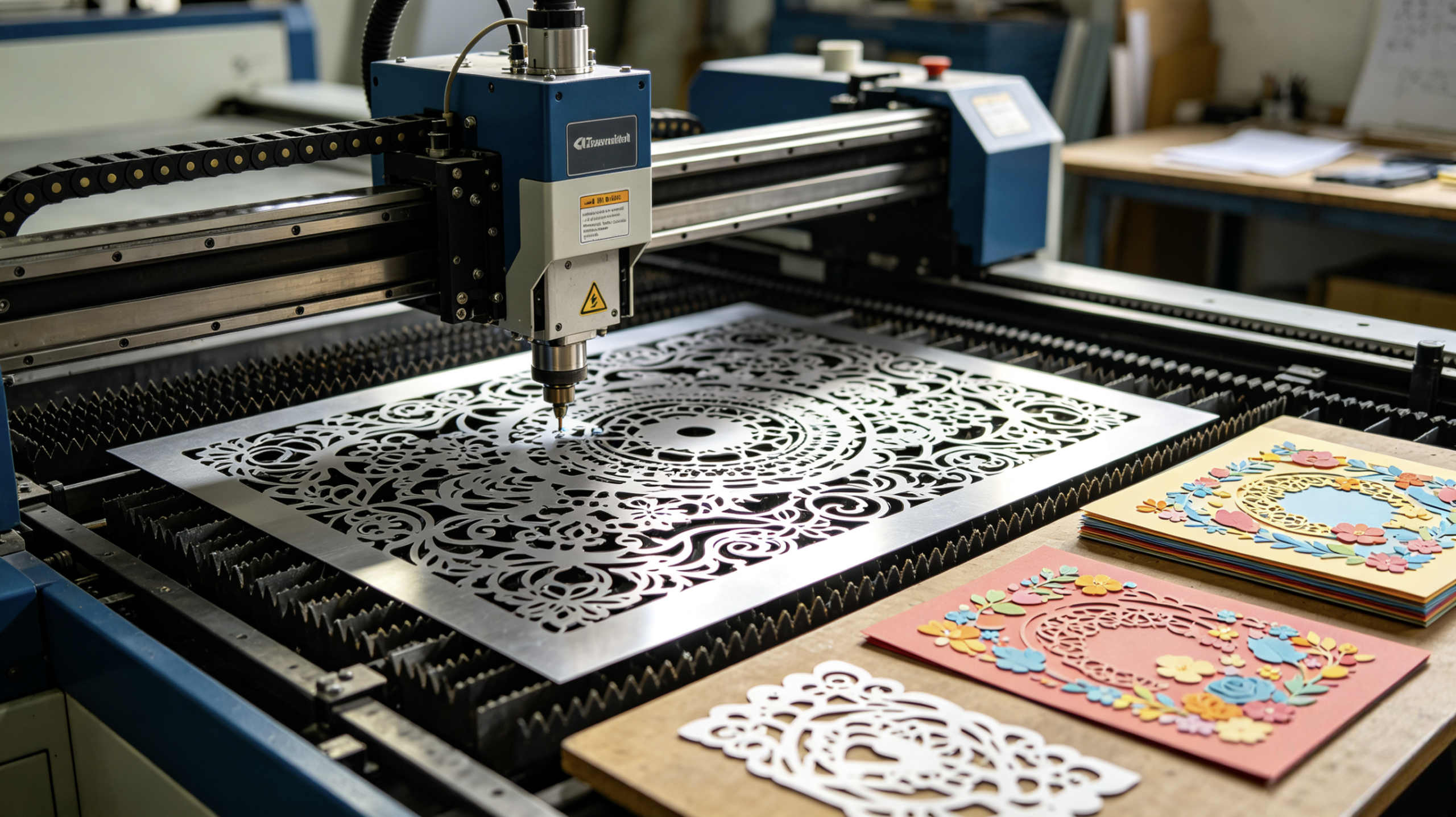
How Laser Technology Improves Scrapbook Die Manufacturing
Modern die manufacturing increasingly uses laser technology for:
- Precision slot cutting
- Complex shape processing
- Fine detail accuracy
- Faster prototyping
Laser systems allow manufacturers to create highly detailed decorative designs that traditional manual tooling struggles to achieve.
This is especially important for:
- Floral patterns
- Decorative lettering
- Intricate borders
- Fine embossing structures
At Sanken, precision processing technologies help improve tooling consistency and reduce dimensional variation.
Why Heat Treatment Matters More Than Buyers Realize
One of the biggest hidden differences between cheap and professional dies is heat treatment.
Proper heat treatment improves:
- Blade hardness
- Durability
- Edge retention
- Structural stability
Without proper heat treatment, blades lose sharpness quickly.
That creates:
- Rough edges
- Increased cutting force
- Faster tool wear
- Poor product consistency
Many low-cost suppliers skip strict heat treatment control to reduce cost.
Unfortunately, customers pay the price later through poor tooling performance.
Why Testing Is Essential Before Mass Production
A professional die should never go directly from manufacturing into shipment.
At Sanken, we believe tooling verification is critical.
Testing helps identify:
- Blade pressure imbalance
- Alignment deviation
- Incomplete cut zones
- Material release problems
- Durability issues
This process helps customers avoid mass-production failures later.
Experienced buyers understand that stable tooling reduces long-term manufacturing risk dramatically.
The Biggest Problem Buyers Face: Inconsistent Quality
Many buyers complain that initial samples look perfect, but mass production quality becomes unstable later.
This usually happens because the supplier lacks:
- Process standardization
- Tooling consistency
- Quality control systems
- Precision inspection capability
At Sanken, we focus heavily on manufacturing repeatability because OEM customers need stable long-term supply, not just attractive prototypes.
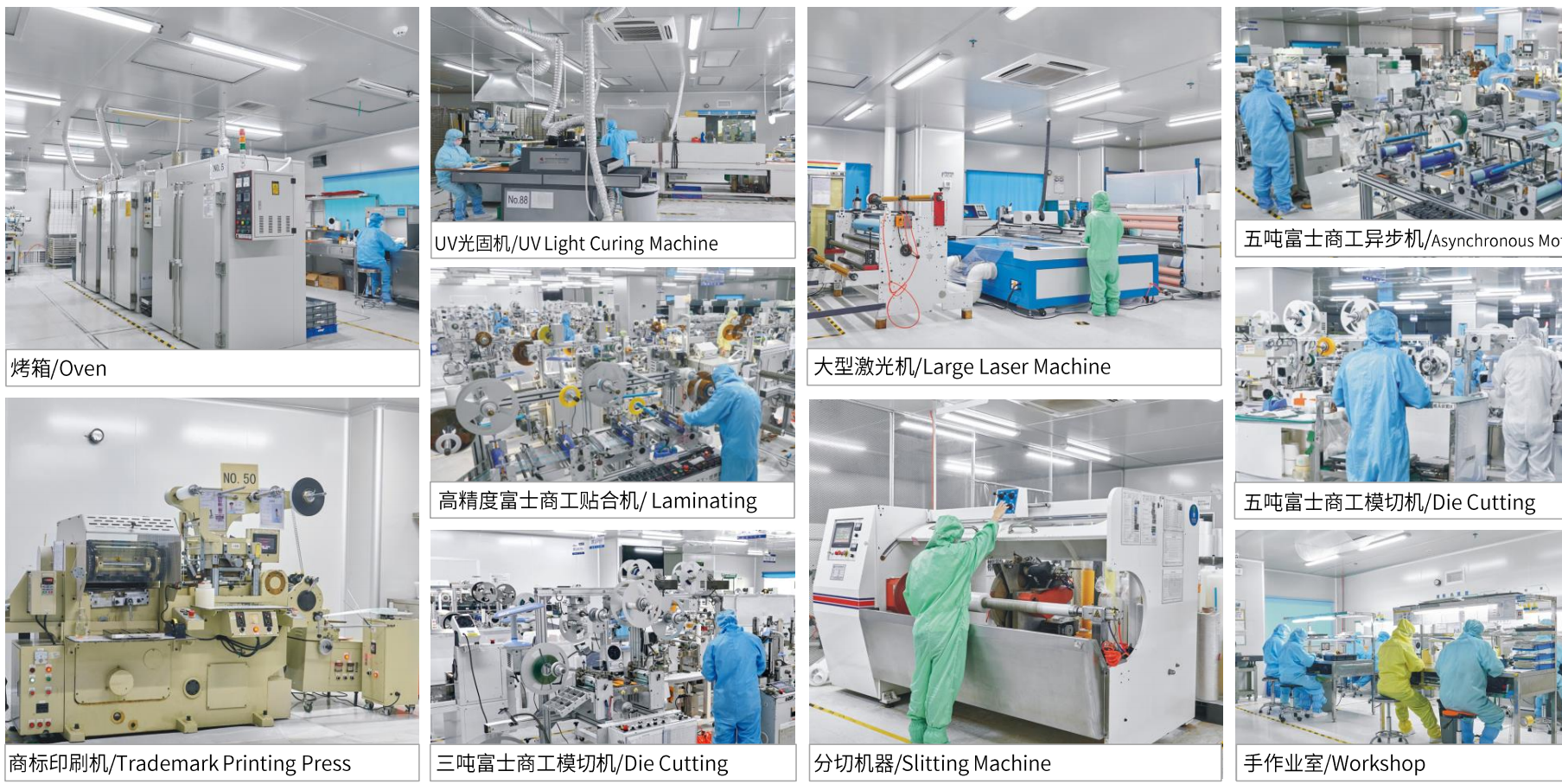
Why Integrated Manufacturing Capability Matters
This is one major advantage we provide at Sanken.
We integrate:
- Precision die cutting
- Tooling optimization
- Material converting
- Adhesive laminating
- Hot pressing
- Silk screen printing
- Multi-process manufacturing
This integrated capability helps customers:
- Reduce supplier complexity
- Improve communication efficiency
- Shorten development cycles
- Improve overall quality consistency
That becomes especially valuable for custom or multilayer craft products.
Why Customers Choose Sanken
Customers choose us because we think beyond simple production.
We focus on helping customers achieve:
- Stable product quality
- Better cutting precision
- Longer tooling lifespan
- Faster production scalability
- Lower long-term manufacturing risk
Our manufacturing systems operate under:
- IATF 16949
- ISO 9001
- ISO 14001
This allows us to support global OEM customers with precision manufacturing solutions that combine engineering expertise with reliable mass production capability.
Conclusion
Scrapbook cutter dies are made through a highly precise process involving design engineering, steel forming, laser processing, heat treatment, assembly, and testing. At Sanken, we combine precision tooling expertise with advanced manufacturing control to help customers achieve cleaner cuts, longer tooling lifespan, and more stable production quality.