
What Does a Cricut Machine Actually Do? Why So Many Businesses Are Quietly Using It to Test Product Ideas Before Mass Production
Many people think a Cricut machine is only for hobby crafting. That is outdated thinking. I’ve seen startup brands use Cricut systems to validate packaging concepts before investing in production tooling. I’ve seen electronics accessory sellers create prototype adhesive parts overnight instead of waiting weeks for samples. I’ve even seen small businesses discover major assembly problems early because a simple cutting prototype exposed hidden design flaws before mass production began.
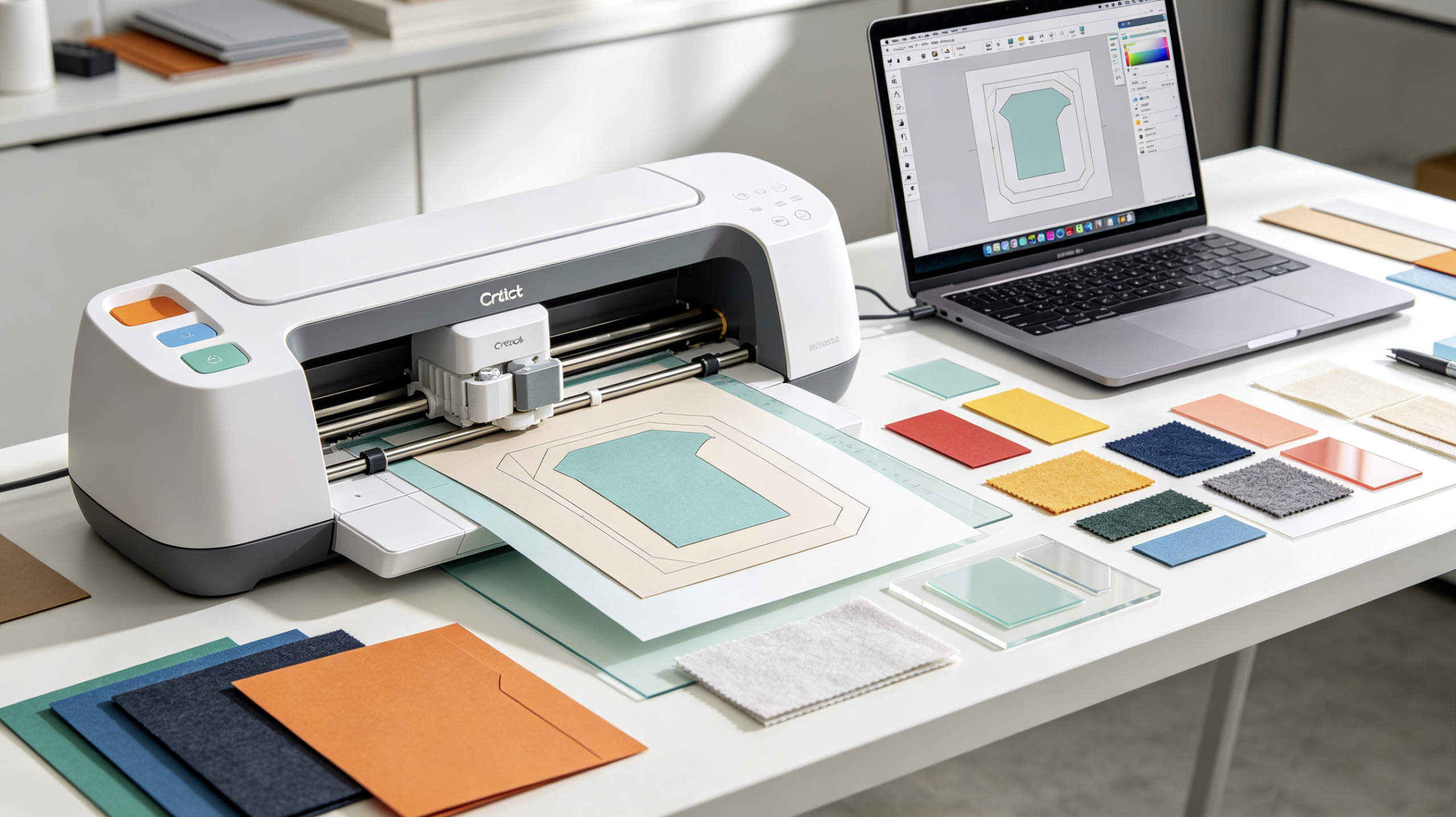
A Cricut machine is a computer-controlled precision cutting platform used to prototype, customize, and manufacture small-batch products from materials such as vinyl, paper, adhesive films, cardstock, fabric, thin foam, and specialty laminates. More importantly, it helps users transform digital ideas into physical products quickly, efficiently, and with surprisingly high precision. While Cricut machines target the consumer and small-business market, the manufacturing logic behind them overlaps heavily with industrial die cutting systems used by professional OEM manufacturers.
At Sanken, we understand this process deeply because many large-scale manufacturing projects actually begin with simple prototype cutting concepts before moving into precision industrial production.
Why Cricut Machines Changed Product Development
Years ago, creating a product prototype was expensive and slow.
A buyer often needed:
- Custom tooling
- Long lead times
- Engineering revisions
- Multiple sample iterations
That process could take weeks.
Sometimes months.
Cricut machines dramatically shortened this cycle.
Now users can:
- Test concepts quickly
- Modify designs instantly
- Validate assembly fit
- Create visual prototypes
- Reduce early-stage development costs
This flexibility completely changed how small businesses and creative product developers approach new ideas.
What Can a Cricut Machine Produce?
Most people only associate Cricut with stickers.
That is only a tiny part of its capability.
Modern Cricut systems can create:
| Product Type | Typical Use |
|---|---|
| Packaging prototypes | Product development |
| Vinyl graphics | Branding and decoration |
| Heat transfer designs | Apparel customization |
| Product labels | Small-batch packaging |
| Foam inserts | Protective packaging |
| Greeting cards | Personalized products |
| Adhesive templates | Assembly alignment |
| Decorative films | Consumer products |
For small businesses, this means faster product testing with lower investment risk.
Why Small Businesses Love Cricut Machines
Many startups cannot afford expensive industrial tooling immediately.
A Cricut machine gives them flexibility during early growth stages.
They can:
- Launch products faster
- Test customer demand
- Adjust designs rapidly
- Reduce inventory risk
This is especially useful for:
- Etsy sellers
- Packaging startups
- Personalized product brands
- Prototype developers
In many ways, Cricut acts as a “bridge” between ideas and industrial manufacturing.
The Hidden Problem Most Users Encounter
Here is where reality becomes more complicated.
As product complexity increases, users start facing problems such as:
- Material shifting
- Adhesive bubbling
- Inconsistent cuts
- Misalignment
- Edge lifting
- Slow production speed
At low volume, these issues may seem manageable.
At larger volume, they become serious operational problems.
This is exactly where industrial die cutting expertise becomes critical.
At Sanken, we regularly help customers transition from prototype-level production into stable OEM-scale manufacturing.
Why Material Behavior Matters So Much
One of the biggest misconceptions is believing the machine controls everything.
In reality, materials control much of the cutting performance.
For example:
- Soft foam compresses differently under pressure
- Vinyl expands under heat
- Adhesives react differently to cutting speed
- Thin films stretch during processing
Without understanding these behaviors, production quality becomes unstable very quickly.
At Sanken, we help customers evaluate:
- Material stability
- Adhesive compatibility
- Compression recovery
- Heat resistance
- Long-term durability
This prevents expensive manufacturing failures later.
When Cricut Is No Longer Enough
This is a turning point many growing businesses face.
At first, Cricut works well for prototypes and small batches.
But eventually customers require:
- Faster production
- Tighter tolerances
- Better consistency
- Larger volumes
- Multilayer laminating
- Industrial-grade materials
At this stage, businesses usually transition toward professional die cutting manufacturing systems.
This is where Sanken provides major advantages.
How Sanken Helps Customers Scale Successfully
Many customers come to us after struggling with inconsistent manual or low-volume production methods.
They need help scaling efficiently without losing quality.
At Sanken, we provide:
- Precision die cutting
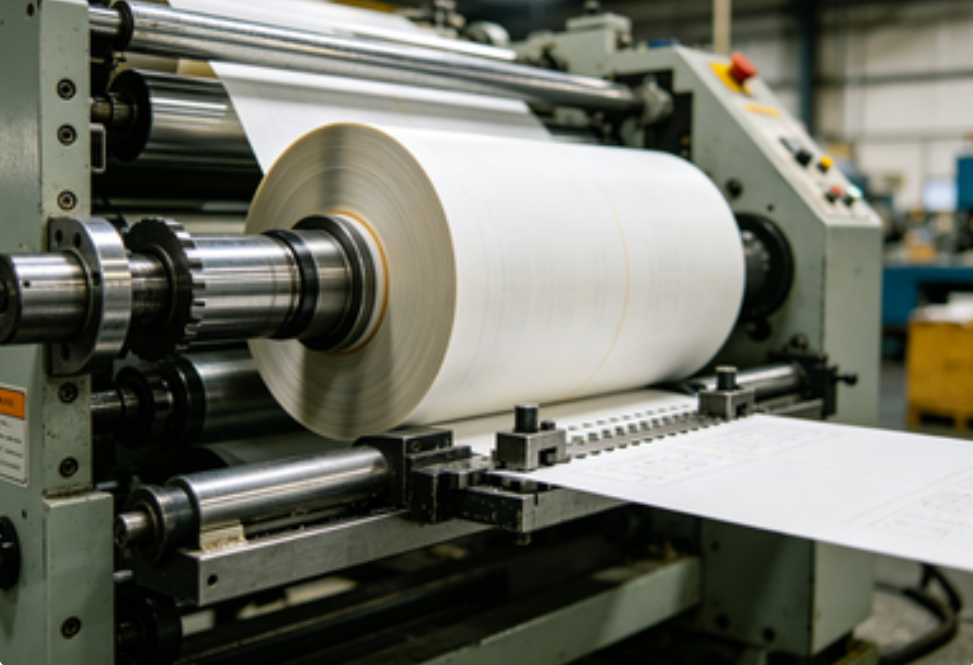
- Rotary converting
- Flatbed processing
- Adhesive laminating
- Foam converting
- Hot pressing
- Silk screen printing
- Injection molding
This integrated capability allows customers to move from prototype ideas into scalable OEM manufacturing smoothly.
Why One-Stop Manufacturing Reduces Risk
One of the biggest customer pain points is managing multiple suppliers.
Different vendors often create:
- Communication delays
- Material mismatch
- Quality inconsistency
- Longer lead times
At Sanken, we simplify the process by integrating multiple manufacturing technologies under one system.
This improves:
- Production efficiency
- Delivery stability
- Assembly consistency
- Engineering responsiveness
For OEM buyers, this means lower operational stress and better manufacturing control.
What Smart Buyers Actually Care About
Experienced buyers rarely focus only on cutting capability.
They care about:
- Can the supplier support scaling?
- Can quality remain stable long term?
- Can engineering problems be solved quickly?
- Can delivery remain reliable under pressure?
- Can the supplier reduce production risk?
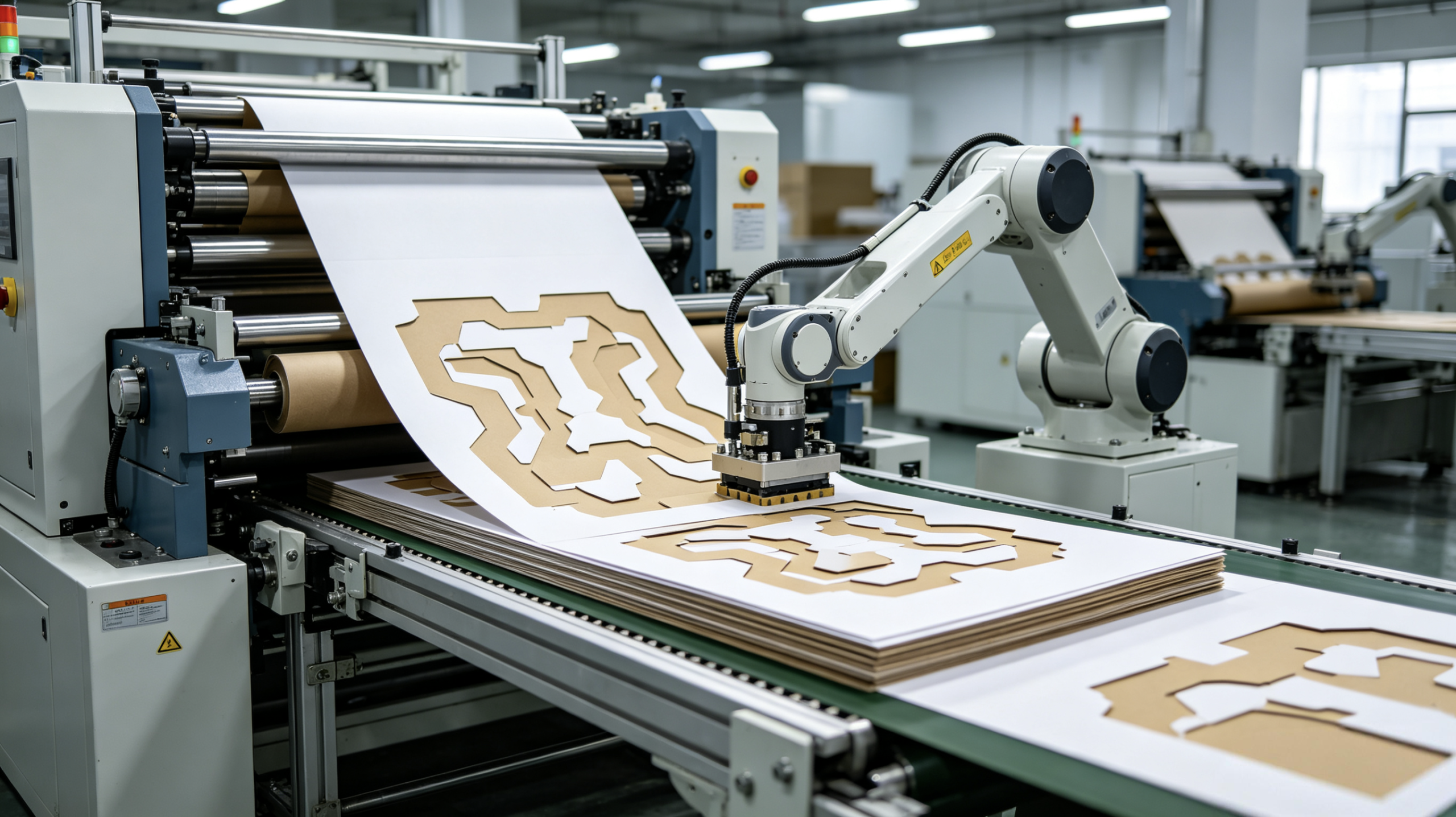
At Sanken, this is exactly where our engineering-driven manufacturing system creates value.
Our facilities operate under:
- IATF 16949
- ISO 9001
- ISO 14001
We support customers across automotive, electronics, medical, industrial, and consumer product industries worldwide.
Why Cricut Still Matters in Modern Manufacturing
Even large OEM projects often begin with simple prototypes.
The ability to test ideas quickly remains extremely valuable.
Cricut machines help businesses move faster during early product development.
Industrial die cutting manufacturers like Sanken help customers scale those ideas into stable mass production.
Both stages are important.
The key is knowing when to transition from prototype-level cutting into professional manufacturing systems.
Conclusion
A Cricut machine is far more than a hobby tool. It is a fast and flexible product development platform that helps businesses transform ideas into physical products quickly. At Sanken, we help customers take those ideas further by providing precision die cutting, advanced material converting, and scalable OEM manufacturing solutions built for long-term production success.