
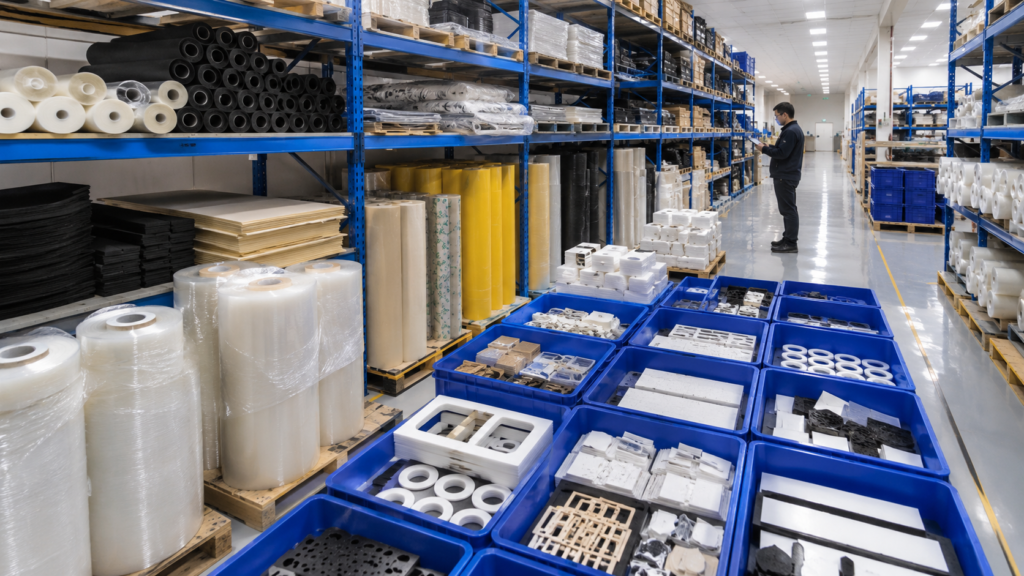
What Are the Types of Inventory in an Industry? Why Smart Manufacturers Treat Inventory as a Competitive Weapon
Many manufacturers believe inventory is simply “materials sitting in a warehouse.” That mindset creates serious operational problems. I’ve seen factories lose customers because critical raw materials were unavailable during peak production. I’ve also seen companies drown in excessive stock that consumed cash flow while becoming obsolete on the shelf. In modern manufacturing, inventory is no longer just storage. It directly affects delivery speed, production stability, customer satisfaction, and profitability.
Industrial inventory refers to the raw materials, semi-finished goods, finished products, spare parts, and operational supplies that manufacturers store and manage to support production and customer delivery. Different inventory types serve different strategic purposes. When managed correctly, inventory improves manufacturing flexibility, reduces downtime, stabilizes lead times, and strengthens supply chain resilience.
At Sanken, we understand that inventory management is not just about reducing stock levels. It is about balancing speed, quality, flexibility, and manufacturing stability for OEM customers worldwide.
Why Inventory Matters More Than Most Buyers Realize
Many OEM customers focus heavily on price.
But in reality, inventory capability often determines whether a supplier can maintain stable delivery during market fluctuations.
Poor inventory management creates problems such as:
- Production delays
- Material shortages
- Unstable lead times
- Emergency purchasing costs
- Inconsistent quality
- Missed shipment schedules
For industries like automotive and electronics, even a short material shortage can stop entire production lines.
That is why experienced buyers always evaluate supplier inventory systems carefully.
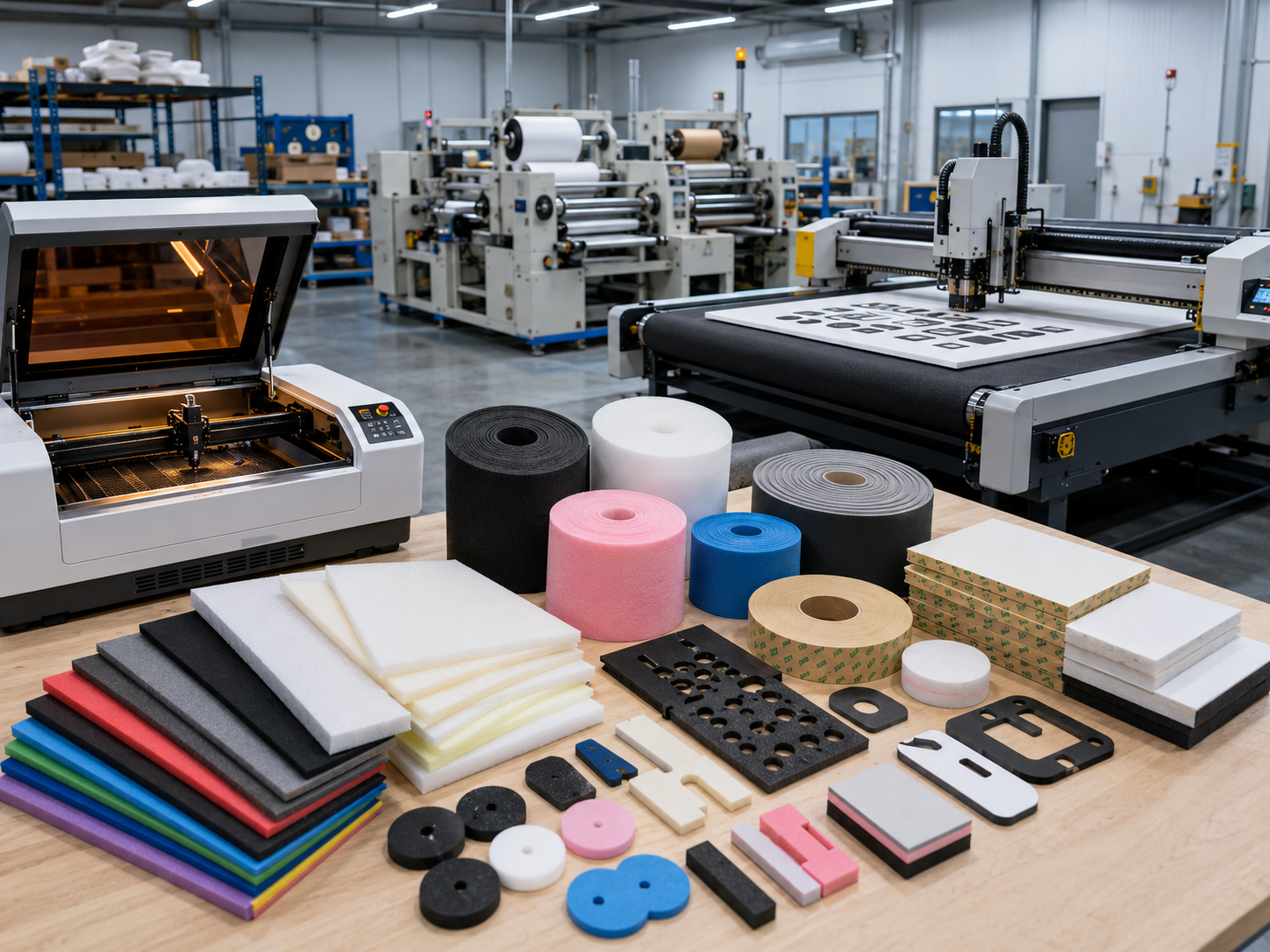
What Are the Main Types of Inventory?
Industrial inventory usually falls into several major categories.
Each type plays a different role in manufacturing operations.
| Inventory Type | Main Purpose |
|---|---|
| Raw Materials | Support production input |
| Work-in-Progress (WIP) | Semi-finished production items |
| Finished Goods | Ready for shipment |
| MRO Inventory | Maintenance and operational supplies |
| Buffer Stock | Emergency protection inventory |
| Cycle Stock | Daily operational inventory |
| Safety Stock | Risk reduction inventory |
A professional manufacturer must balance all of these categories carefully.
Too little inventory creates production instability.
Too much inventory creates financial pressure and waste.
Raw Material Inventory: The Foundation of Stable Production
Raw materials are the starting point of manufacturing.
At Sanken, raw material inventory includes:
- Foam
- Adhesive tapes
- Rubber
- PET films
- Non-woven materials
- Thermal insulation materials
- Conductive shielding materials
The challenge is that many industrial materials have long procurement cycles.
If inventory planning fails, customers may experience:
- Delayed deliveries
- Forced material substitutions
- Production interruptions
This is especially dangerous for customized OEM projects.
That is why stable material sourcing and inventory forecasting are critical.
Work-in-Progress (WIP): The Hidden Efficiency Factor
WIP inventory refers to products currently moving through production.
For example:
- Laminated materials waiting for die cutting
- Semi-finished adhesive assemblies
- Parts awaiting inspection
Many companies underestimate how much WIP affects production speed.
Too much WIP creates:
- Factory congestion
- Quality tracking difficulty
- Longer production cycles
Too little WIP may create machine downtime and scheduling instability.
At Sanken, we optimize production flow carefully to improve efficiency while maintaining stable quality control.
Finished Goods Inventory: Fast Delivery vs Inventory Risk
Some customers require immediate shipment capability.
This creates pressure to maintain finished goods inventory.
However, excessive finished inventory creates risks such as:
- Product aging
- Design obsolescence
- Cash flow pressure
- Storage costs
At Sanken, we work closely with OEM customers to balance:
- Delivery responsiveness
- Inventory cost
- Production flexibility
This helps customers reduce supply chain pressure while improving market responsiveness.
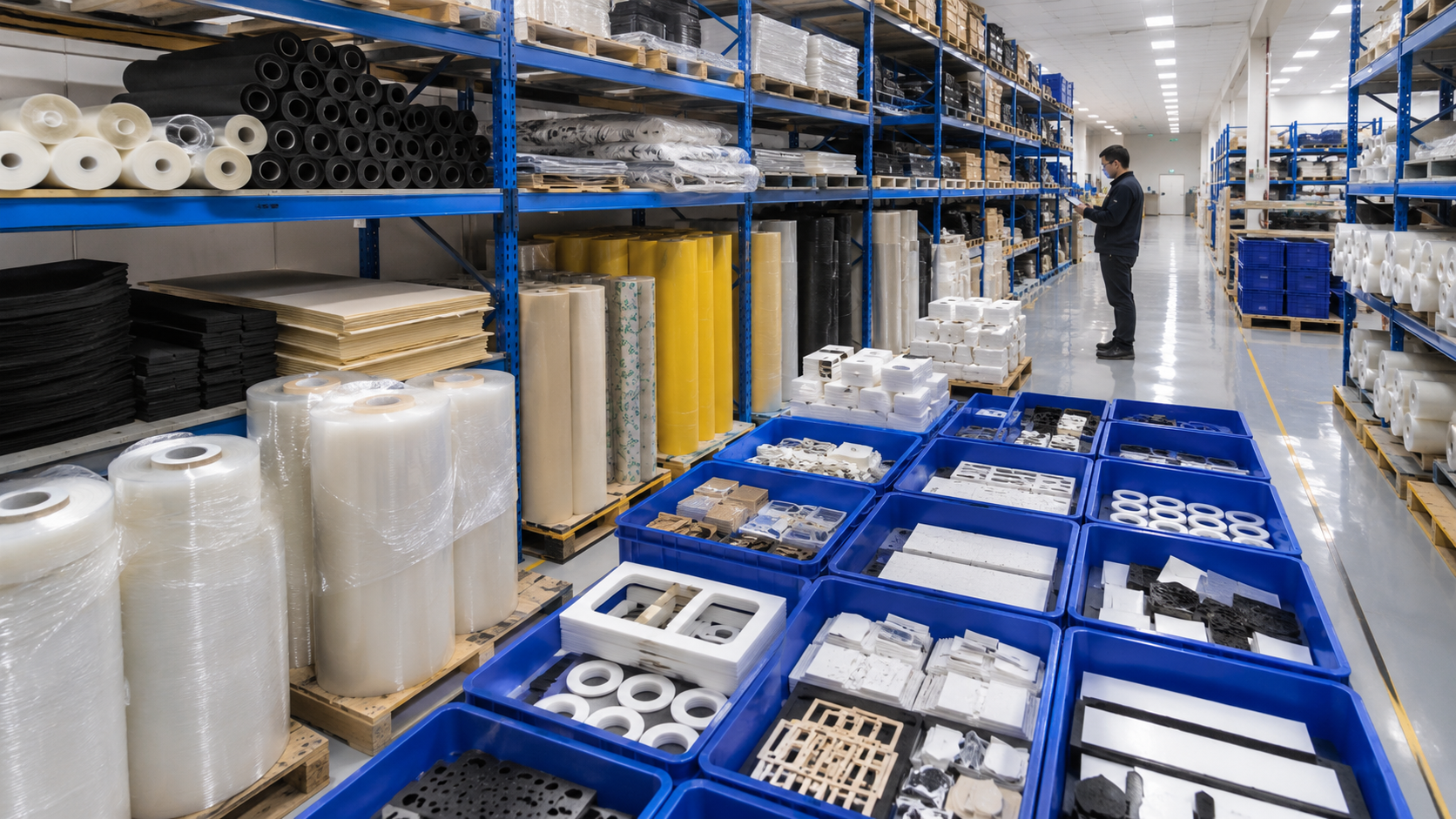
Why Safety Stock Became So Important After Global Supply Chain Disruptions
In recent years, global manufacturing faced major disruptions including:
- Shipping delays
- Raw material shortages
- Port congestion
- Sudden demand fluctuations
Many companies learned a painful lesson:
Ultra-low inventory strategies can become extremely dangerous during unstable market conditions.
That is why safety stock strategies became increasingly important.
At Sanken, we evaluate inventory planning based on:
- Material lead time
- Customer forecast stability
- Production cycle requirements
- Supply chain risk levels
This helps improve delivery reliability during uncertain conditions.
Why Inventory Accuracy Is Critical in Precision Manufacturing
Inventory errors create massive operational problems.
Imagine receiving the wrong foam density or adhesive version during mass production.
The consequences may include:
- Product failures
- Assembly defects
- Customer complaints
- Shipment delays
That is why professional manufacturers invest heavily in:
- Barcode systems
- Material traceability
- Batch management
- ERP systems
- Incoming material inspection
At Sanken, traceability is especially important for automotive and electronics OEM projects.
MRO Inventory: The Inventory Type Most Companies Ignore
MRO stands for Maintenance, Repair, and Operations inventory.
This includes:
- Machine spare parts
- Lubricants
- Production tools
- Maintenance supplies
Many factories ignore MRO planning until machines suddenly stop running.
Unexpected downtime can become extremely expensive during large-scale OEM production.
At Sanken, preventive maintenance and spare parts planning help maintain stable production continuity.
Why Inventory Management Directly Affects Customer Experience
Many buyers do not realize inventory capability directly impacts:
- Delivery speed
- Engineering responsiveness
- Production flexibility
- Order stability
A supplier with poor inventory systems often struggles during demand surges.
At Sanken, we focus on building flexible manufacturing systems capable of supporting:
- Fast prototyping
- Stable mass production
- Emergency order response
- Multi-process manufacturing integration
This helps customers reduce operational risk significantly.
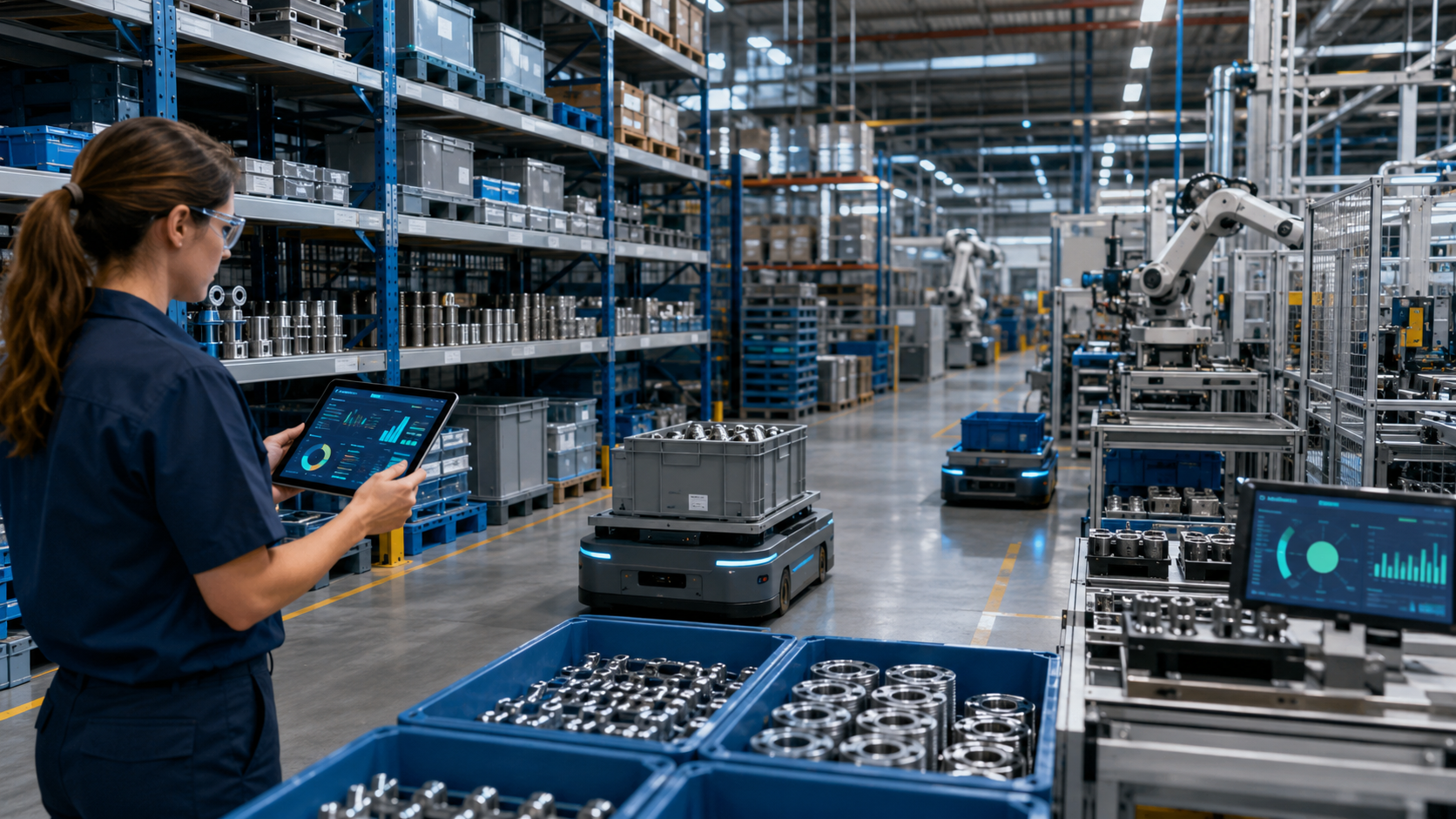
Why OEM Customers Choose Sanken
OEM customers choose us because we understand that manufacturing stability goes far beyond production equipment.
We combine:
- Precision die cutting
- Material converting
- Inventory planning
- Process integration
- Quality traceability
- Engineering responsiveness
Our manufacturing systems operate under:
- IATF 16949
- ISO 9001
- ISO 14001
This allows us to support global automotive, electronics, medical, industrial, and new energy customers with stable and scalable manufacturing solutions.
The Future of Industrial Inventory Management
Modern inventory systems are becoming smarter every year.
Manufacturers increasingly use:
- Real-time inventory tracking
- AI forecasting
- Automated warehouse systems
- Predictive supply chain analysis
The goal is simple:
Reduce waste while maintaining maximum production flexibility.
Companies that manage inventory intelligently will become much more competitive in the future.
Conclusion
Industrial inventory includes raw materials, work-in-progress goods, finished products, safety stock, MRO supplies, and operational inventory that support manufacturing stability. At Sanken, we combine inventory planning, precision manufacturing, and integrated production systems to help OEM customers improve delivery reliability, reduce supply chain risk, and achieve long-term manufacturing success.