
How Long Will It Take to Receive My Custom Die Cut Parts?
A delayed die cut part can quietly destroy an entire production schedule. I’ve seen OEM buyers lose weeks waiting for “simple” foam gaskets, adhesive pads, or insulation components that were promised too early and delivered too late. The painful part? Most delays were avoidable long before production even started.
The lead time for custom die cut parts usually ranges from a few days for prototypes to several weeks for full production. But from my experience at Sanken, the real answer depends on design complexity, material availability, tooling preparation, tolerance requirements, and how early manufacturing risks are identified. Fast delivery is not about running machines faster. It is about eliminating hidden bottlenecks before they happen.
Most customers ask me one question first:
“Can you deliver on time?”
Honestly, that question is too small.
The better question is:
“Can you deliver on time without sacrificing consistency, fit, adhesive performance, and assembly stability?”
That is the real challenge in precision die cutting.
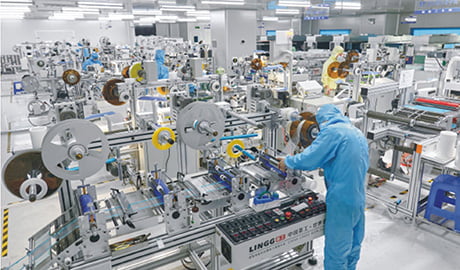
At Sanken, we do not chase speed blindly. We engineer predictable delivery.
Because rushed production without process control usually creates something worse than delays:
returns.
Why do custom die cut parts take longer than expected?
Many buyers assume die cutting is simply “cutting material.”
It is not.
Behind every die cut component, there is an entire chain of engineering decisions:
- Material selection
- Adhesive compatibility
- Lamination structure
- Dimensional tolerance
- Release liner behavior
- Compression recovery
- Surface cleanliness
- Packaging protection during shipment
A small mistake in any of these areas can delay the entire project.
Here is what often slows projects down unexpectedly:
Common lead time bottlenecks in die cutting projects
- Material sourcing delays for specialty foam or tape
- Incomplete CAD drawings
- Last-minute design revisions
- Incorrect adhesive selection
- Tooling modification after sampling
- Unstable tolerance requirements
- Multiple suppliers managing separate processes
This is exactly why many OEM buyers are moving toward one-stop manufacturing partners.
At Sanken, we combine:
- Precision die cutting
- Material converting
- Lamination & bonding
- Foam fabrication
- Injection molding support
- Silk screen processing
- Hot pressing
- Multi-process assembly
under one coordinated workflow.
That removes supplier gaps that usually waste days—or weeks.
How quickly can prototypes be produced?
This depends heavily on preparation quality.
If a customer sends complete drawings, material requirements, and application details early, prototype production moves surprisingly fast.
For standard projects, prototype timelines may look like this:
| Project Stage | Typical Timeline |
|---|---|
| Engineering review | 1–2 days |
| Material confirmation | 1–3 days |
| Prototype tooling | 2–5 days |
| Sample production | 1–3 days |
| Shipping preparation | 1–2 days |
But here is the truth many suppliers avoid saying:
A “fast sample” is meaningless if it fails validation later.
At Sanken, we would rather spend one extra day preventing:
- edge lifting
- adhesive failure
- dimensional drift
- compression collapse
- assembly mismatch
than force customers into expensive redesign cycles later.
That mindset saves far more time long-term.
What affects mass production lead time the most?
Mass production is where weak suppliers begin to struggle.
Prototype success does not guarantee production stability.
The real test begins when customers suddenly need:
- 100,000 pieces
- stable adhesive performance
- repeatable tolerances
- consistent bonding strength
- reliable global shipment scheduling
This is where manufacturing infrastructure matters.
At Sanken, our production planning combines:
- multi-process integration
- internal tooling coordination
- controlled raw material inventory
- quality monitoring systems
- process standardization
to reduce disruption risks before production even starts.
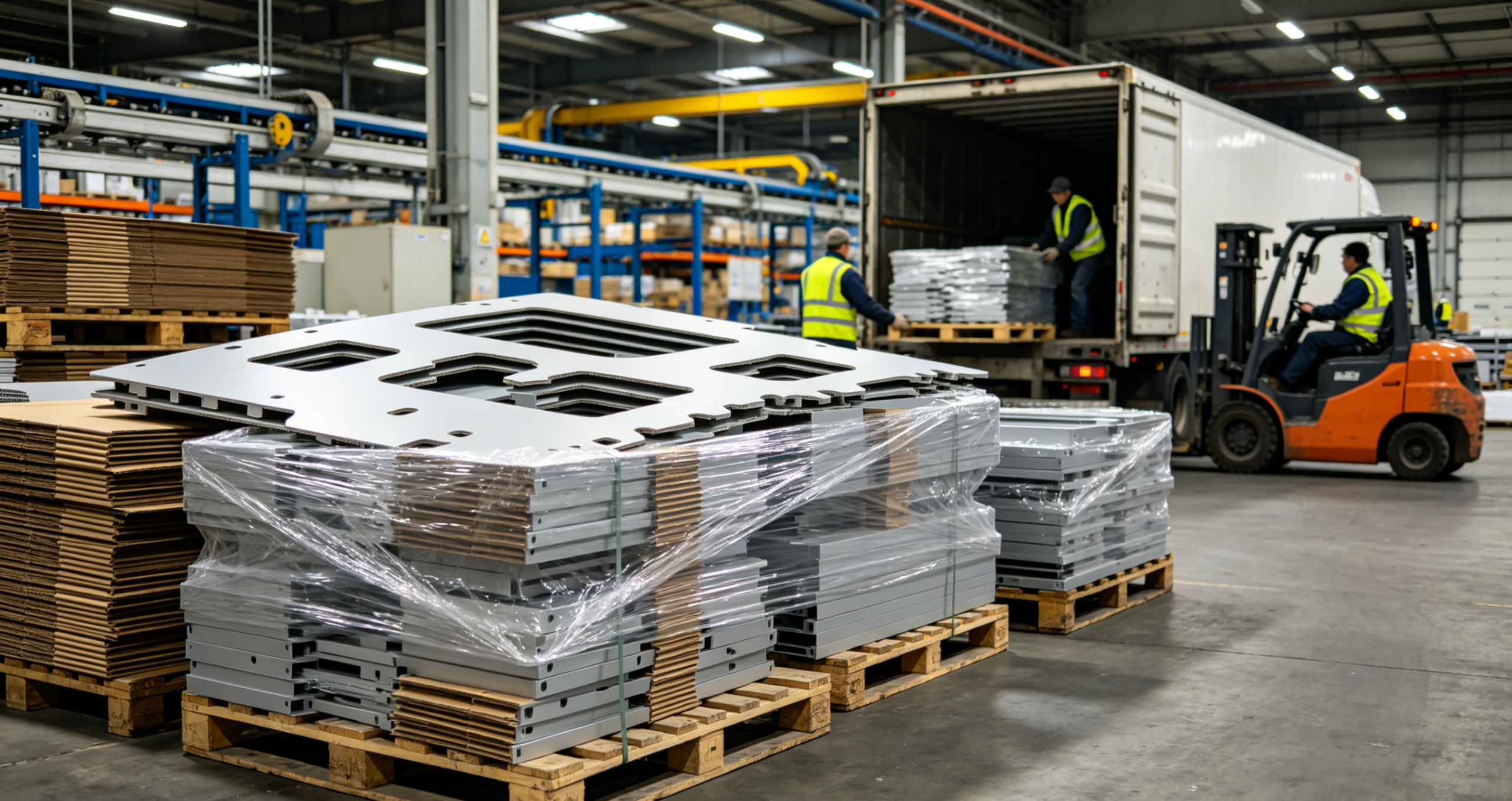
Many delays in this industry happen because suppliers outsource too many steps.
One supplier cuts foam.
Another handles adhesive lamination.
Another manages printing.
Another performs assembly.
Then everyone blames each other when schedules collapse.
We built our system differently.
Why do some “fast delivery” suppliers become expensive later?
Because speed without process control creates hidden costs.
I have seen customers come to us after experiencing:
- inconsistent adhesive bonding
- peeling during assembly
- foam thickness variation
- contamination problems
- poor liner release behavior
- shipping deformation
Those issues are rarely visible during quoting.
But they become painfully visible during mass production.
That is why we focus heavily on:
- incoming material verification
- process validation
- tooling stability
- production repeatability
- packaging protection
Fast delivery only matters when the parts work correctly after arrival.
Otherwise, customers are simply receiving problems faster.
How does Sanken help customers shorten lead time safely?
This is where experience changes everything.
We help customers accelerate projects by solving issues upstream.
1. Early Design Support
We review:
- material stack-up
- tolerance feasibility
- adhesive compatibility
- assembly conditions
before production begins.
2. Material Conversion Integration
Because we manage multiple converting processes internally, customers avoid waiting for disconnected suppliers.
3. Tooling & Production Coordination
Our engineering and manufacturing teams work simultaneously instead of sequentially.
That shortens communication loops dramatically.
4. Production Risk Prevention
We monitor:
- material consistency
- adhesive behavior
- die wear
- lamination accuracy
before defects scale into delays.
This approach is especially important for automotive, electronics, medical, and industrial applications where timing and consistency directly affect downstream assembly lines.
Conclusion
Fast delivery is important. But reliable delivery is what protects your production line. At Sanken, we help customers shorten lead time by preventing the hidden manufacturing problems that usually create delays in the first place.