
What Are Suggested Car Sound Deadening Materials?
Vehicle buyers may never see sound deadening materials, but they notice the difference every time they drive.
A quiet cabin makes a vehicle feel refined, comfortable, and premium. A noisy cabin, on the other hand, can make even a well-designed vehicle feel cheap and tiring during long journeys.
Modern automotive manufacturers invest heavily in NVH (Noise, Vibration, and Harshness) engineering to improve driving comfort. One of the most effective ways to achieve this is through carefully selected sound deadening materials.
But which materials work best, and how do OEMs decide which solution is right for a particular vehicle?
Why Sound Deadening Materials Matter
Every vehicle generates noise from multiple sources.
Common contributors include:
- Tire and road interaction
- Engine and powertrain vibration
- Wind turbulence
- Suspension movement
- Body panel resonance
- HVAC airflow
Without proper acoustic treatment, these noises travel into the passenger compartment and reduce driving comfort.
The challenge becomes even greater in electric vehicles. Since EVs produce less powertrain noise, passengers can hear road and wind noise more clearly than ever before.
As a result, sound deadening materials have become an essential part of modern vehicle design.
Butyl Rubber Damping Sheets
Butyl rubber is one of the most widely used automotive damping materials.
Unlike sound absorbers, butyl sheets reduce vibration directly at the source.
When applied to metal panels, they help prevent resonance and reduce structure-borne noise.
Common applications include:
- Door panels
- Roof panels
- Floor pans
- Trunk compartments
- Firewalls
Key Advantages
| Benefit | Value |
|---|---|
| Vibration Reduction | Excellent |
| Moisture Resistance | Excellent |
| Long-Term Durability | Excellent |
| OEM Acceptance | High |
Because of its effectiveness and reliability, butyl rubber remains a standard solution across the automotive industry.
Acoustic Foam Materials
Once vibration has been controlled, the next step is absorbing airborne sound.
Acoustic foams are designed to capture and dissipate sound energy before it reflects into the cabin.
Common foam materials include:
- Polyurethane foam
- EPDM foam
- PE foam
- Melamine foam
Typical applications include:
- Door trim assemblies
- Instrument panels
- Headliners
- Pillar trims
- Interior acoustic modules
Acoustic foam is especially valuable in electric vehicles, where passenger expectations for cabin quietness continue to increase.
Nonwoven Felt Insulation
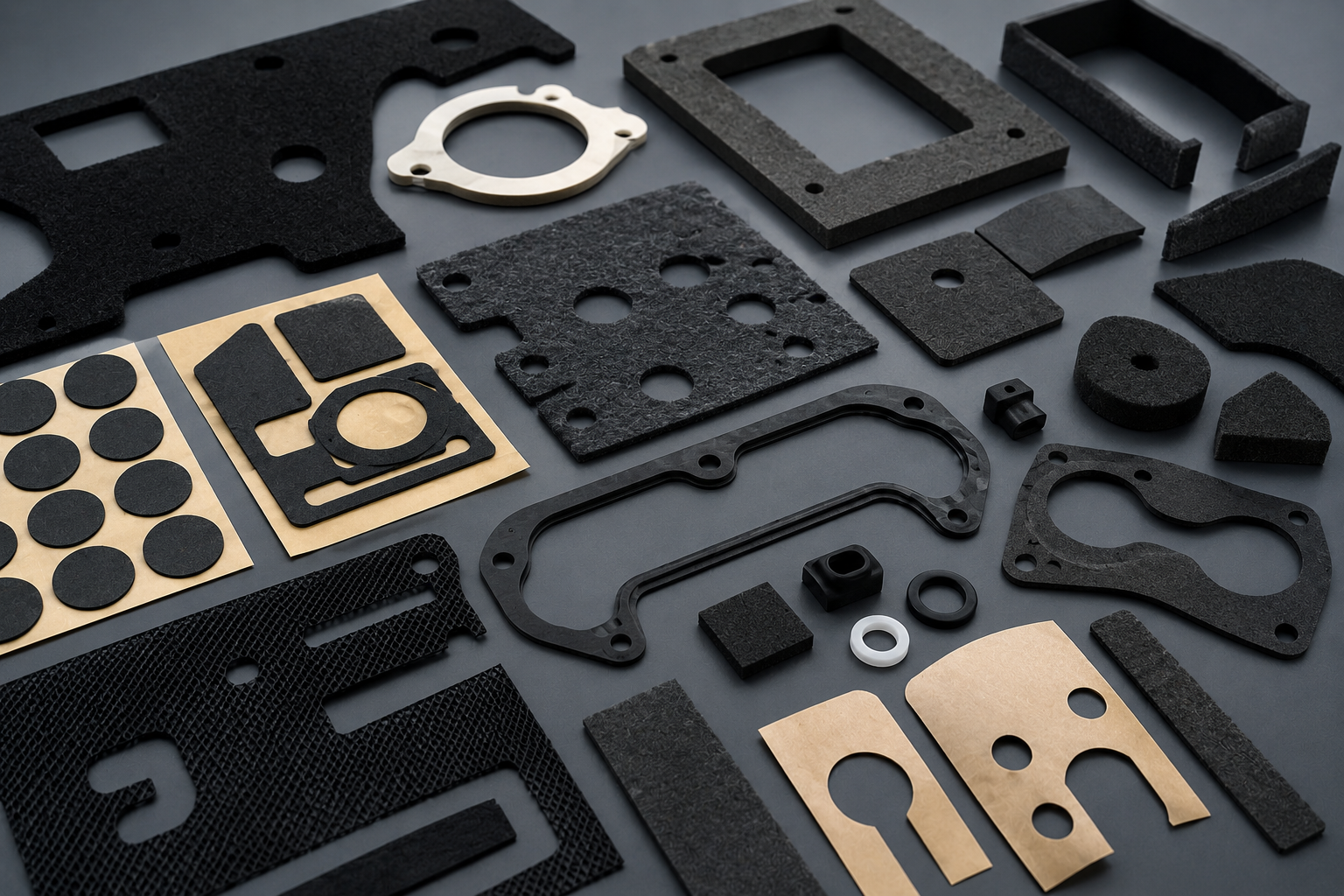
Needle-punched nonwoven felt has become one of the fastest-growing automotive acoustic materials.
Modern automotive felt provides multiple benefits:
- Sound absorption
- Thermal insulation
- Lightweight construction
- Sustainable material options
Common applications include:
- Wheel arch liners
- Trunk floor systems
- Dash insulators
- Package trays
- Under-carpet insulation
Many OEMs now prefer PET-based nonwoven materials because they deliver strong acoustic performance while supporting sustainability goals.
Mass Loaded Vinyl (MLV)
When low-frequency noise becomes the primary concern, Mass Loaded Vinyl is often used.
Unlike foam, MLV functions as a sound barrier.
Its dense structure helps block:
- Road noise
- Tire noise
- Engine frequencies
- Structural transmission noise
Typical installation locations include:
- Vehicle floors
- Firewalls
- Bulkheads
MLV Performance Overview
| Characteristic | Rating |
|---|---|
| Low-Frequency Blocking | Excellent |
| Durability | Excellent |
| Weight Impact | High |
| Cost Efficiency | Moderate |
Because MLV adds weight, manufacturers often use it selectively rather than throughout the entire vehicle.
Wheel Arch Acoustic Materials
Wheel arches are among the largest sources of road noise.
Water spray, gravel impact, and tire interaction continuously generate sound in this area.
To reduce these noises, manufacturers commonly use:
- Needle-punched PET felt
- Thermoformed nonwoven composites
- Acoustic fiber structures
- Multi-layer foam laminates
These materials help absorb noise before it reaches the cabin.
For SUVs, crossovers, and EVs, wheel arch acoustic systems can significantly improve overall vehicle refinement.

How OEMs Select Sound Deadening Materials
There is no universal solution.
Material selection depends on several engineering factors.
Noise Source
Different materials solve different problems.
| Noise Problem | Preferred Material |
|---|---|
| Panel Vibration | Butyl Rubber |
| Airborne Noise | Acoustic Foam |
| Road Noise | Nonwoven Felt |
| Low-Frequency Noise | MLV |
Vehicle Weight Targets
Modern OEMs continuously seek weight reduction to improve:
- Fuel efficiency
- Emissions performance
- Electric vehicle range
As a result, lightweight acoustic materials are becoming increasingly important.
Cost Objectives
A luxury vehicle and an entry-level vehicle often require very different acoustic strategies.
Material selection must balance performance, weight, and cost.
Manufacturing Requirements
Materials must also support:
- Automated assembly
- High-volume production
- Consistent quality
- Reliable supply chains
This is where precision converting becomes critical.
Why Precision Die Cutting Matters
Even the best acoustic material can underperform if it is not converted accurately.
Automotive sound deadening components often require:
- Complex geometries
- Tight tolerances
- Multi-layer laminations
- Pressure-sensitive adhesives
Poor converting can lead to:
- Installation issues
- Acoustic leakage
- Reduced durability
- Inconsistent performance
Precision die cutting ensures each component fits correctly and performs as intended throughout the vehicle's lifecycle.
How Sanken Supports Automotive NVH Programs
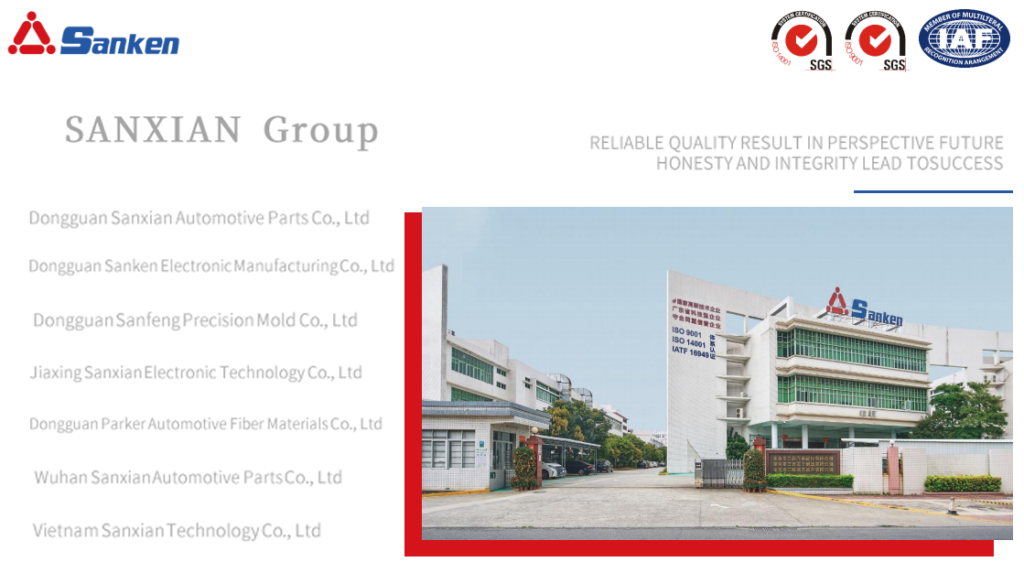
At Sanken, we help automotive manufacturers transform acoustic materials into production-ready components.
Our capabilities include:
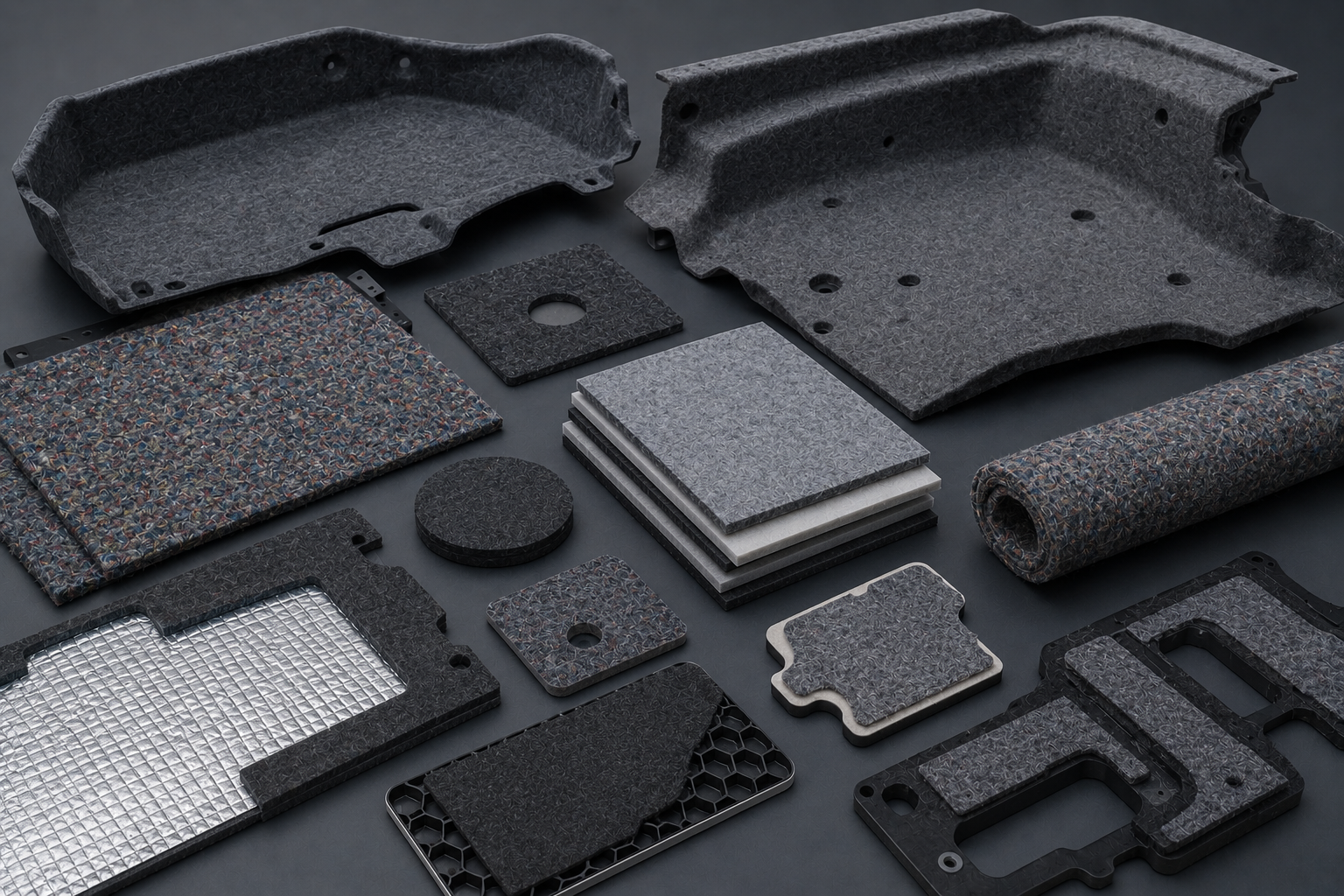
- Precision die cutting
- Foam converting
- Nonwoven converting
- Adhesive laminating
- Hot pressing
- Multi-layer material assembly
By combining material expertise with precision manufacturing, we help OEMs achieve demanding NVH targets while maintaining production efficiency.
Our focus is not simply supplying materials. Our goal is delivering complete acoustic component solutions that support long-term vehicle performance.
Conclusion
Modern automotive sound deadening systems rely on a combination of materials working together.
Butyl rubber controls vibration. Acoustic foam absorbs airborne sound. Nonwoven felt reduces road noise. MLV blocks low-frequency sound transmission.
The most effective solution depends on the vehicle platform, noise source, weight targets, and manufacturing requirements.
As vehicle NVH expectations continue to rise, especially in electric vehicles, properly selected and precision-converted acoustic materials remain essential for creating quieter, more comfortable driving experiences.