
How to Cut Plywood for Die Cut With a Laser?
Many people assume laser cutting plywood for die cutting is easy. In reality, poor laser settings can burn the wood, create uneven edges, weaken the die structure, and ruin cutting accuracy. I’ve seen manufacturers waste entire batches of plywood because they focused only on cutting speed instead of understanding heat control, material density, and tooling precision ([placeholder link]).
To cut plywood for die cutting with a laser, manufacturers must carefully balance laser power, cutting speed, plywood thickness, airflow, and material stability to achieve clean, accurate, and durable die structures. Laser cutting has become increasingly popular in die making because it offers faster prototyping, high design flexibility, and improved precision compared to traditional manual processing methods ([placeholder link]).
At Sanken, we understand that even supporting tooling structures like plywood bases can directly affect die cutting accuracy and long-term production stability.
Why Plywood Is Used in Die Cutting
In traditional steel rule die manufacturing, plywood acts as the supporting base for the steel cutting blades.
The plywood holds the blade securely in position during production.
Manufacturers typically use plywood because it offers:
- Good dimensional stability
- Strong structural support
- Easy machining
- Cost efficiency
- Lightweight handling
Laser cutting allows extremely precise blade slot patterns to be created quickly.
Choosing the Right Plywood
Not all plywood works well for laser die cutting.
This is one of the biggest mistakes beginners make.
At Sanken, we always recommend plywood with:
- High density
- Uniform internal layers
- Low moisture content
- Smooth surface quality
- Minimal internal voids
Poor-quality plywood may cause:
- Uneven laser burning
- Weak blade holding strength
- Structural cracking
- Dimensional instability
Birch plywood is one of the most commonly used materials for precision die boards because of its stable structure and machining performance.
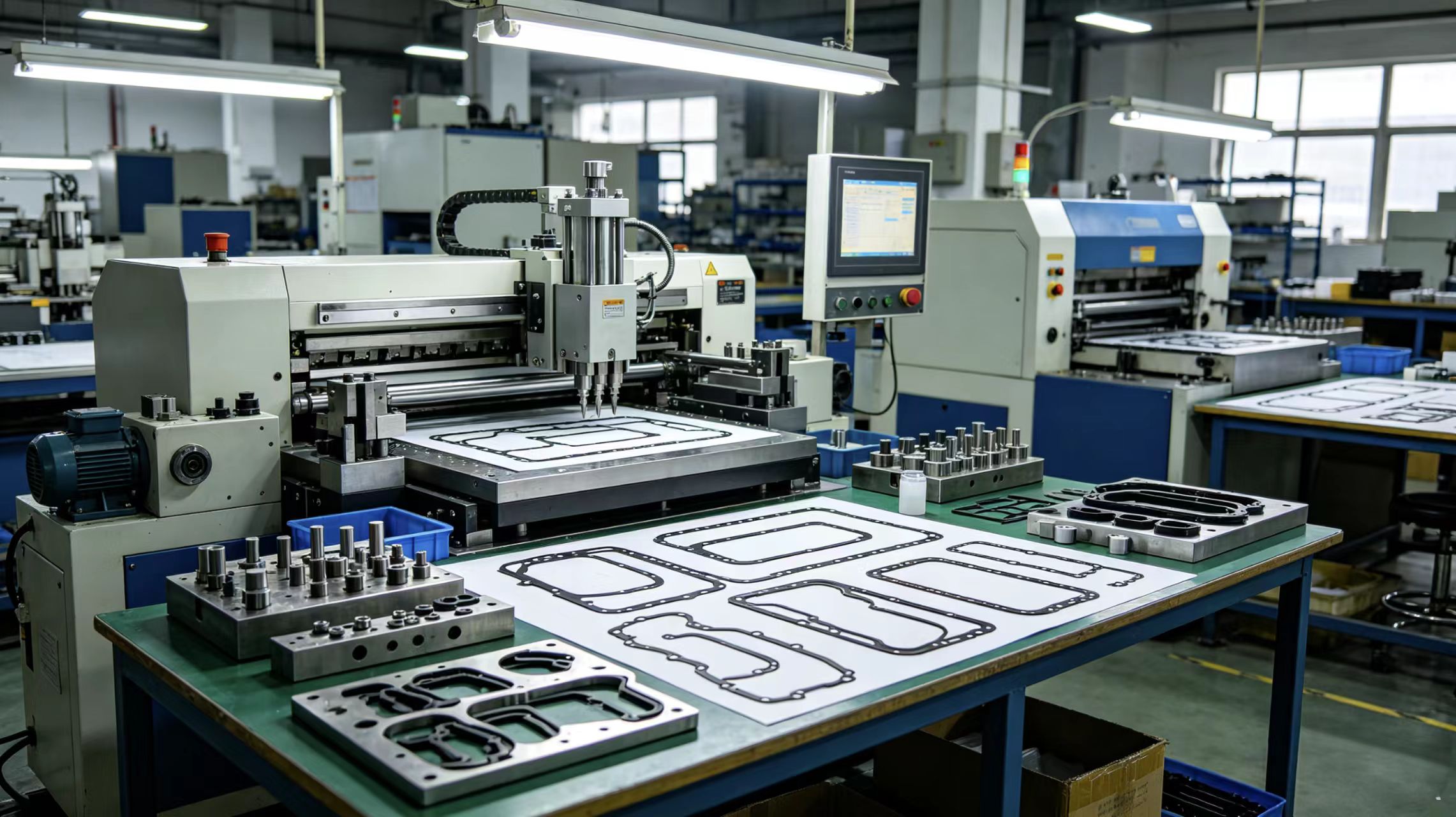
How Laser Cutting Works for Die Boards
The laser follows a digital CAD design and burns narrow slots into the plywood.
These slots are where the steel rule blades will later be inserted.
The process usually involves:
- CAD design preparation
- Material positioning
- Laser parameter setup
- Precision cutting
- Cleaning and inspection
The accuracy of the slot width directly affects die cutting precision later during production.
What Laser Equipment Is Typically Used?
Most manufacturers use CO2 laser cutting systems for plywood die boards.
These systems offer:
- High cutting precision
- Smooth slot edges
- Fast processing speed
- Flexible design capability
Common equipment settings depend on:
| Factor | Typical Influence |
|---|---|
| Plywood thickness | Affects laser power |
| Wood density | Affects cutting speed |
| Moisture content | Affects edge quality |
| Slot width requirement | Affects focus adjustment |
Incorrect settings often create excessive burning or incomplete cuts.
Why Heat Control Is Extremely Important
Heat is one of the biggest challenges in laser plywood cutting.
Too much heat causes:
- Burn marks
- Carbon buildup
- Warping
- Weak structural integrity
Too little heat creates incomplete slots and unstable blade installation.
At Sanken, we always emphasize balancing:
- Laser power
- Feed speed
- Air assist pressure
- Focus accuracy
This creates cleaner and more stable die board structures ([placeholder link]).
How to Improve Cutting Quality
Several process improvements can significantly improve results:
Use Proper Air Assist
Compressed air helps remove smoke and reduce burning.
Optimize Laser Focus
Correct focus positioning improves slot precision and reduces tapering.
Maintain Stable Material Flatness
Warped plywood reduces cutting consistency.
Use Clean Optical Components
Dirty lenses reduce laser efficiency and increase heat damage.
These small adjustments greatly affect final die quality.
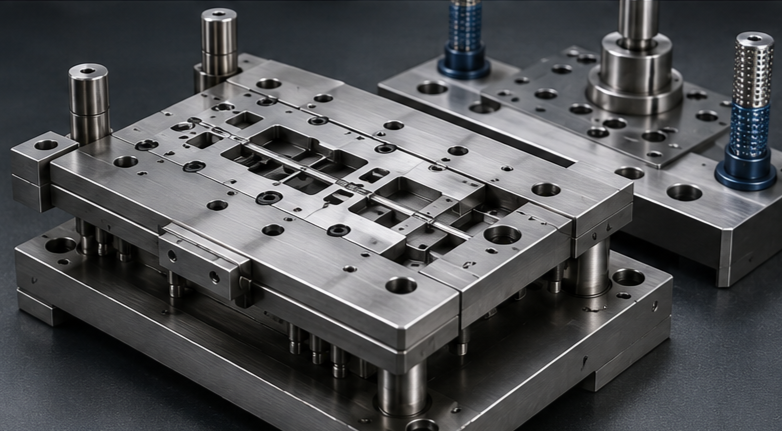
Why Slot Precision Matters So Much
The blade slot width controls how securely the steel rule blade fits inside the plywood.
If the slot is too loose:
- The blade may move during cutting
- Accuracy decreases
- Production stability suffers
If the slot is too tight:
- Blade installation becomes difficult
- Plywood may crack
- Blade deformation may occur
This is why precision laser calibration is critical in professional die manufacturing.
Common Problems in Laser-Cut Die Boards
We often see suppliers struggle with:
- Burned slot edges
- Inconsistent slot depth
- Material warping
- Blade misalignment
- Poor structural durability
Most of these problems come from weak process control rather than the laser machine itself.
Why Professional Die Makers Focus on Process Stability
Many factories can laser cut plywood.
Far fewer understand how tooling performance affects final die cutting quality.
At Sanken, we approach tooling manufacturing from the perspective of:
- Long-term production stability
- Blade alignment accuracy
- Material behavior
- Manufacturing repeatability
- OEM quality consistency
That engineering mindset is what separates professional die manufacturing from simple cutting services.
Why OEM Customers Choose Sanken
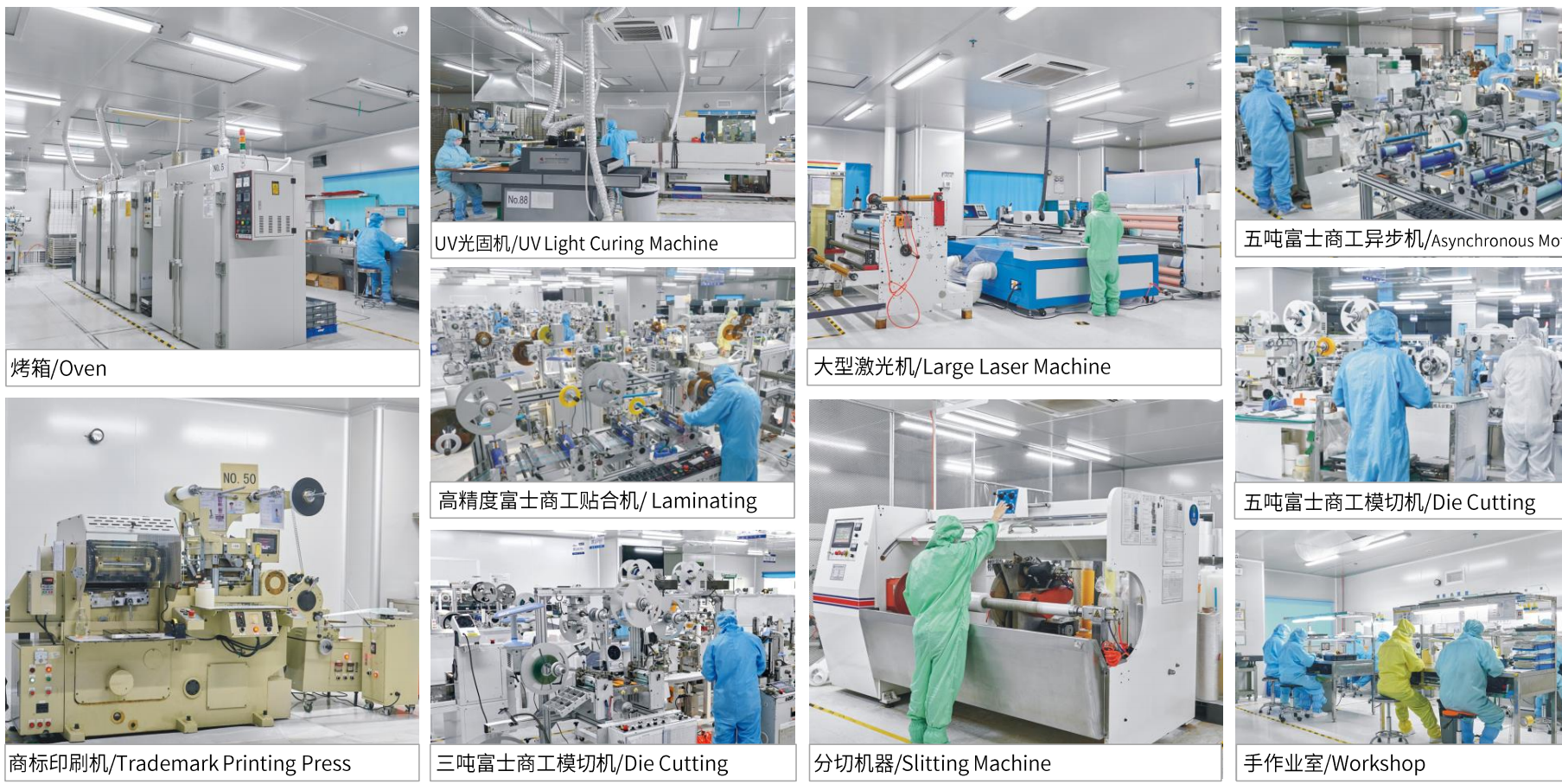
At Sanken, we integrate:
- Precision die cutting
- Tooling optimization
- Material converting
- Adhesive laminating
- Hot pressing
- Multi-process manufacturing solutions
Our systems operate under:
- IATF 16949
- ISO 9001
- ISO 14001
We help OEM manufacturers reduce production risk and improve long-term manufacturing consistency across automotive, electronics, medical, and industrial applications ([placeholder link]).
Conclusion
Cutting plywood for die making with a laser requires far more than simply burning slots into wood. Precision depends on plywood quality, laser settings, heat control, slot accuracy, and process stability. At Sanken, we apply precision engineering principles throughout tooling manufacturing to help OEM customers achieve more stable and reliable die cutting performance.