
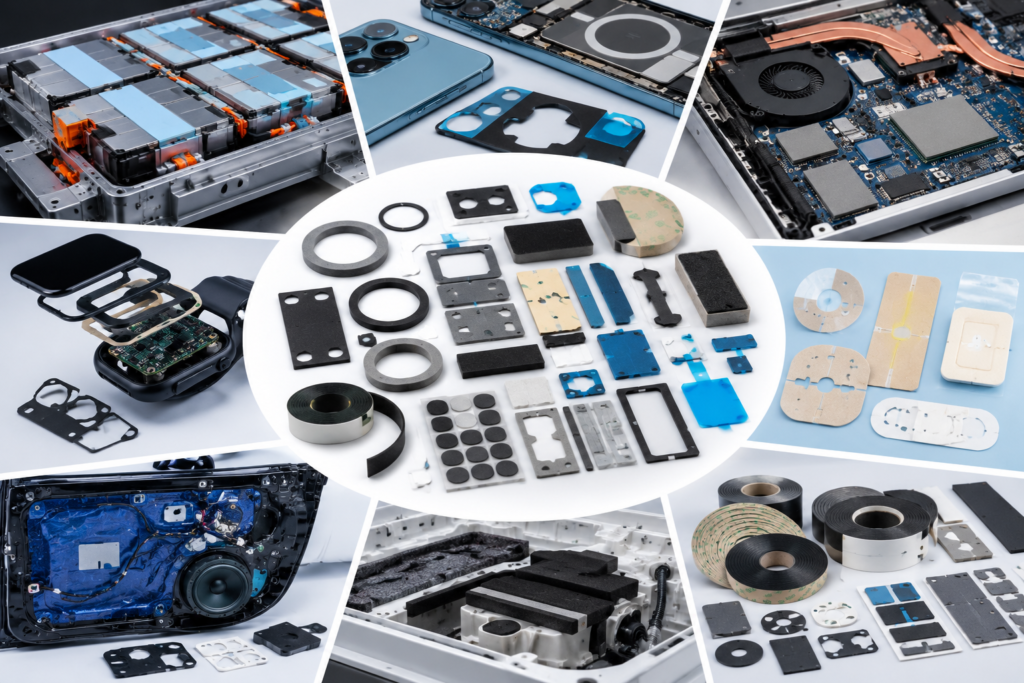
Die cutting is used to manufacture many hidden but critical components inside automotive, electronics, medical, appliance, industrial and new energy products. These parts may include foam gaskets, adhesive tapes, PET insulation films, EMI shielding materials, rubber pads, waterproof seals, protective films, acoustic materials and multilayer laminated components.
For OEM buyers, die cut products are not only about shape. Material selection, adhesive structure, tolerance control, compression behavior, cleanliness, packaging format and production stability all affect final product reliability.
Why Die Cutting Exists in Nearly Every Modern Product
Most people never see die cut components.
But they are everywhere.
Inside a modern product, die cut materials often handle:
- Sealing
- Bonding
- Thermal insulation
- Electrical insulation
- Shock absorption
- Noise reduction
- Waterproof protection
- EMI shielding
Without these components, many products simply cannot function reliably.
The problem is that buyers often underestimate how difficult these parts are to manufacture consistently at scale.
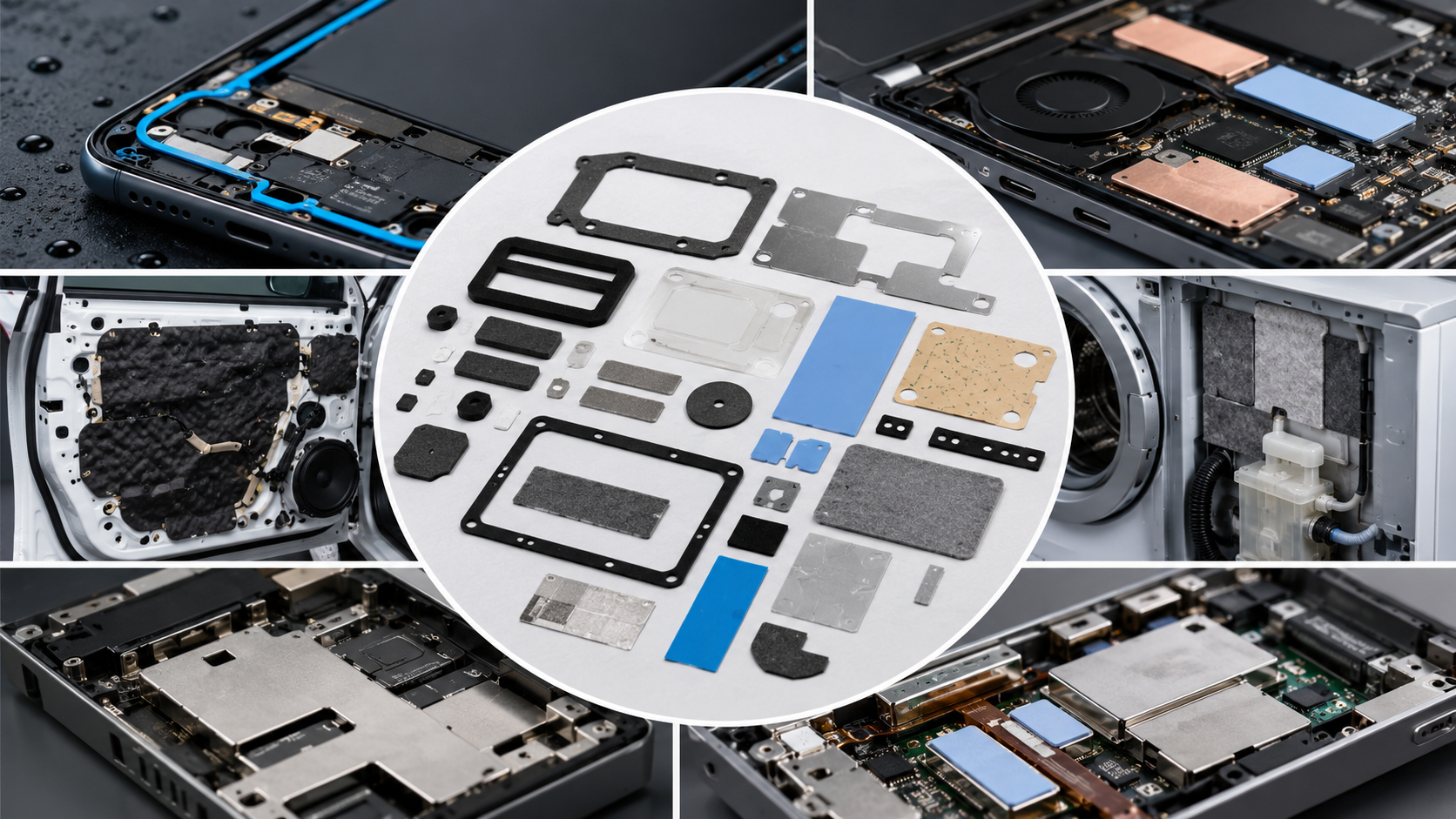
What Products Are Commonly Made With Die Cutting?
At Sanken, we regularly manufacture die cut components for multiple industries.
Here are some of the most common product categories:
| Product Type | Main Function |
|---|---|
| Foam Gaskets | Sealing and cushioning |
| Double-Sided Adhesive Parts | Bonding and mounting |
| EMI Shielding Components | Electromagnetic protection |
| Thermal Insulation Pads | Heat management |
| Waterproof Seals | IP protection |
| PET Insulation Films | Electrical insulation |
| Acoustic Insulation Materials | Noise reduction |
| Protective Films | Surface protection |
| Rubber Pads | Vibration damping |
| Battery Insulation Components | New energy protection |
Many of these products involve multilayer laminating and precision alignment.
That is where supplier capability becomes critical.
Automotive Industry: One of the Biggest Users of Die Cutting
Automotive manufacturers rely heavily on precision die cut parts.
Typical applications include:
- Battery pack insulation
- NVH foam parts
- Waterproof seals
- Wire harness protection
- Thermal barriers
- Interior anti-rattle pads
The challenge is that automotive production requires:
- Tight tolerances
- Long-term durability
- Heat resistance
- Stable adhesive performance
- Consistent large-volume manufacturing
At Sanken, our systems operate under IATF 16949 standards specifically to support these demanding OEM environments.
Electronics Industry: Precision Matters More Than Ever
Electronics products continue becoming thinner and more complex.
This creates huge pressure on die cutting precision.
We commonly help electronics OEM customers produce:
- EMI shielding parts
- Thermal conductive materials
- Adhesive mounting solutions
- Display cushioning pads
- Dust-proof seals
- Insulation films
In this industry, even tiny errors can cause:
- Assembly failures
- Heat dissipation problems
- Electrical interference
- Adhesive lifting
- Product reliability issues
That is why advanced converting and inspection systems matter so much.
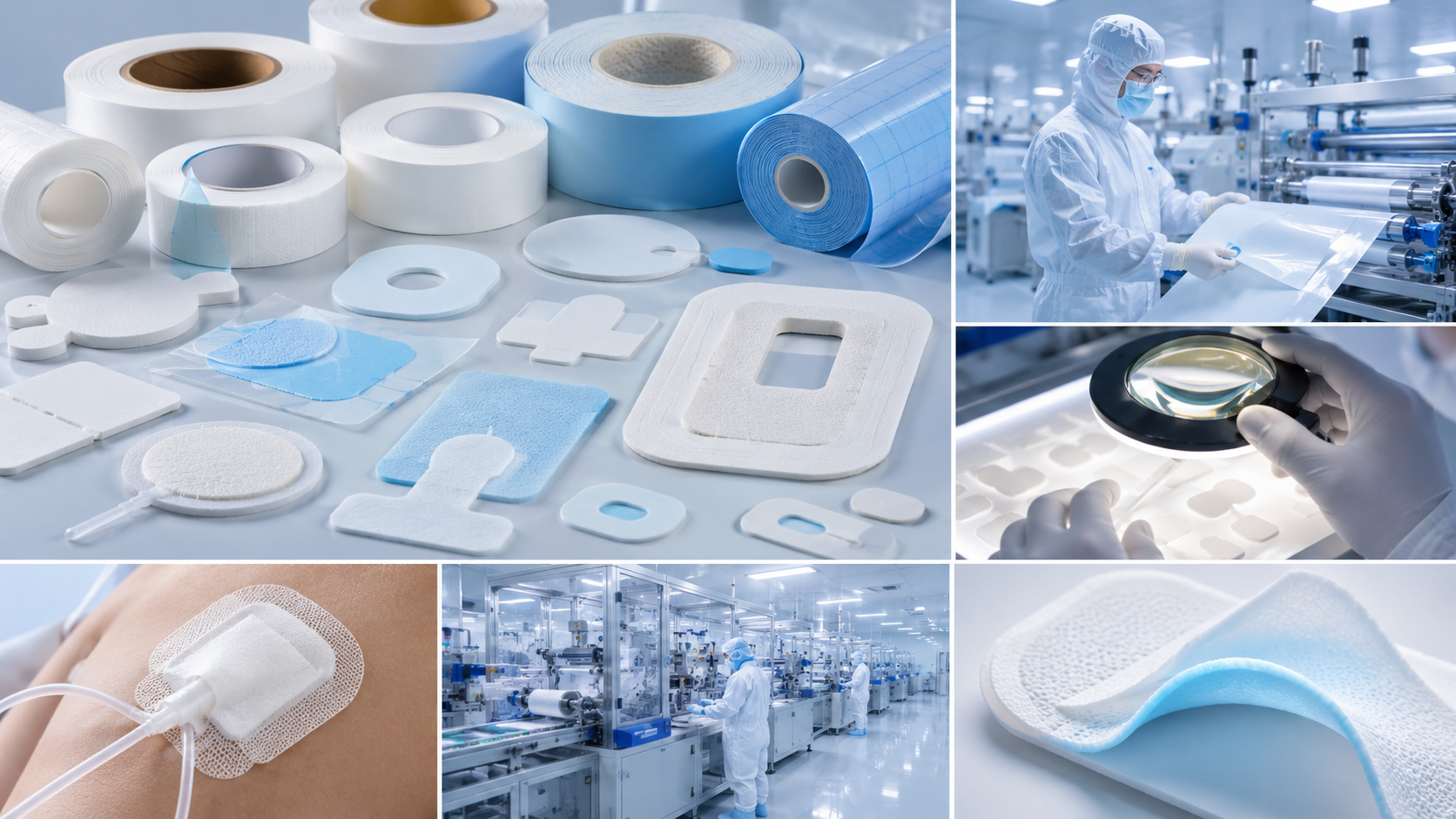
Medical Industry: Cleanliness and Stability Are Critical
Medical applications require much stricter process control.
Common die cut medical products include:
- Medical adhesive tapes
- Disposable device pads
- Protective barriers
- Skin-contact foam materials
The biggest challenges are:
- Clean manufacturing
- Adhesive consistency
- Material traceability
- Dimensional stability
Many low-cost suppliers struggle badly in this area because they lack process discipline.
The Biggest Pain Point OEM Buyers Face
Most OEM buyers are not simply looking for a factory that can cut materials.
They are trying to solve problems like:
- Unstable delivery schedules
- Too many suppliers
- Material inconsistency
- Adhesive failures
- High rejection rates
- Assembly inefficiency
This is exactly why many customers move away from low-cost “simple cutting factories.”
The cheapest supplier often becomes the most expensive problem later.
Why One-Stop Die Cutting Manufacturing Matters
This is one of the biggest advantages we provide at Sanken.
Instead of outsourcing different processes to multiple factories, we integrate:
- Precision die cutting
- Adhesive laminating
- Rotary converting
- Hot pressing
- Spraying and gluing
- Silk screen printing
- Injection molding
For OEM customers, this means:
- Faster communication
- Better process control
- Reduced production risk
- Shorter lead times
- More stable quality
That is especially important for complex multilayer projects.
Why Material Knowledge Is More Important Than Most Buyers Realize
Many manufacturing failures actually begin with poor material selection.
Two foam materials may look identical visually.
But during mass production, one may:
- Shrink under heat
- Lose adhesive strength
- Create dimensional drift
- Fail compression testing
At Sanken, we help customers evaluate:
- Material compatibility
- Adhesive behavior
- Compression recovery
- Heat resistance
- Long-term aging performance
That engineering support prevents expensive production problems before they happen.
What Separates Professional Die Cutting Manufacturers?
Many factories own die cutting machines.
Far fewer understand manufacturing stability.
The real difference comes from:
- Material expertise
- Tooling optimization
- Process integration
- Inspection systems
- Engineering capability
- Production scalability
At Sanken, we focus on helping customers achieve stable long-term manufacturing instead of simply shipping parts.
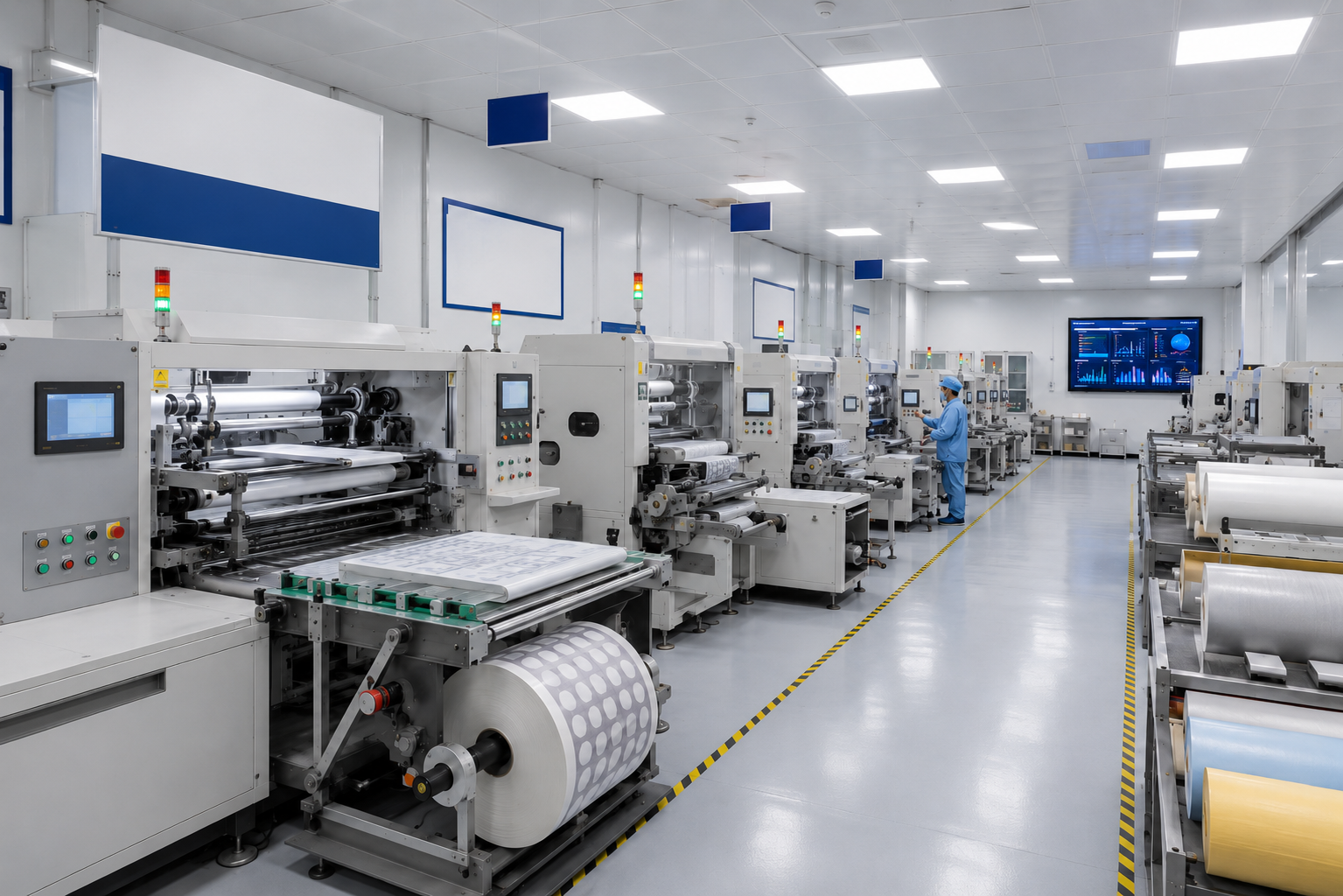
Why OEM Customers Choose Sanken
Customers choose us because we understand both die cutting and real-world OEM manufacturing pressure.
We know buyers care about:
- Delivery stability
- Assembly efficiency
- Consistent quality
- Fast engineering response
- Reduced supplier complexity
Our manufacturing systems operate under:
- IATF 16949
- ISO 9001
- ISO 14001
We support automotive, electronics, medical, industrial, and new energy customers with precision die cutting and integrated material conversion solutions worldwide.
Conclusion
Die cutting is used to manufacture critical components for automotive, electronics, medical, industrial, and new energy products. At Sanken, we help OEM customers solve real manufacturing pain points through precision die cutting, advanced material converting, multilayer laminating, and one-stop integrated production solutions that improve quality, efficiency, and long-term manufacturing stability.
If you need custom die cut foam, tape, film, rubber, non-woven, insulation or shielding components for OEM production, Sanken can support your project from material selection and prototyping to tooling, inspection and mass production.