
How to Cut Thick Silicone?
Silicone rubber is widely used for gaskets, seals, insulation components, medical products, and industrial applications because of its flexibility, heat resistance, and durability. However, thick silicone can be difficult to cut cleanly due to its elasticity and tendency to deform during processing.
The best way to cut thick silicone depends on the thickness, required precision, production volume, and part complexity. Common methods include die cutting, waterjet cutting, CNC knife cutting, laser cutting (limited applications), and manual cutting. For industrial production, die cutting and waterjet cutting are typically the most effective solutions.
Choosing the correct cutting method helps achieve clean edges, dimensional accuracy, and consistent product quality.
Why Is Thick Silicone Difficult to Cut?
Unlike rigid materials, silicone rubber is:
- Soft and flexible
- Highly elastic
- Compression-sensitive
- Resistant to tearing
When cutting thick silicone, common problems include:
- Edge distortion
- Material stretching
- Incomplete cuts
- Dimensional inconsistency
Proper tooling and process control are essential.
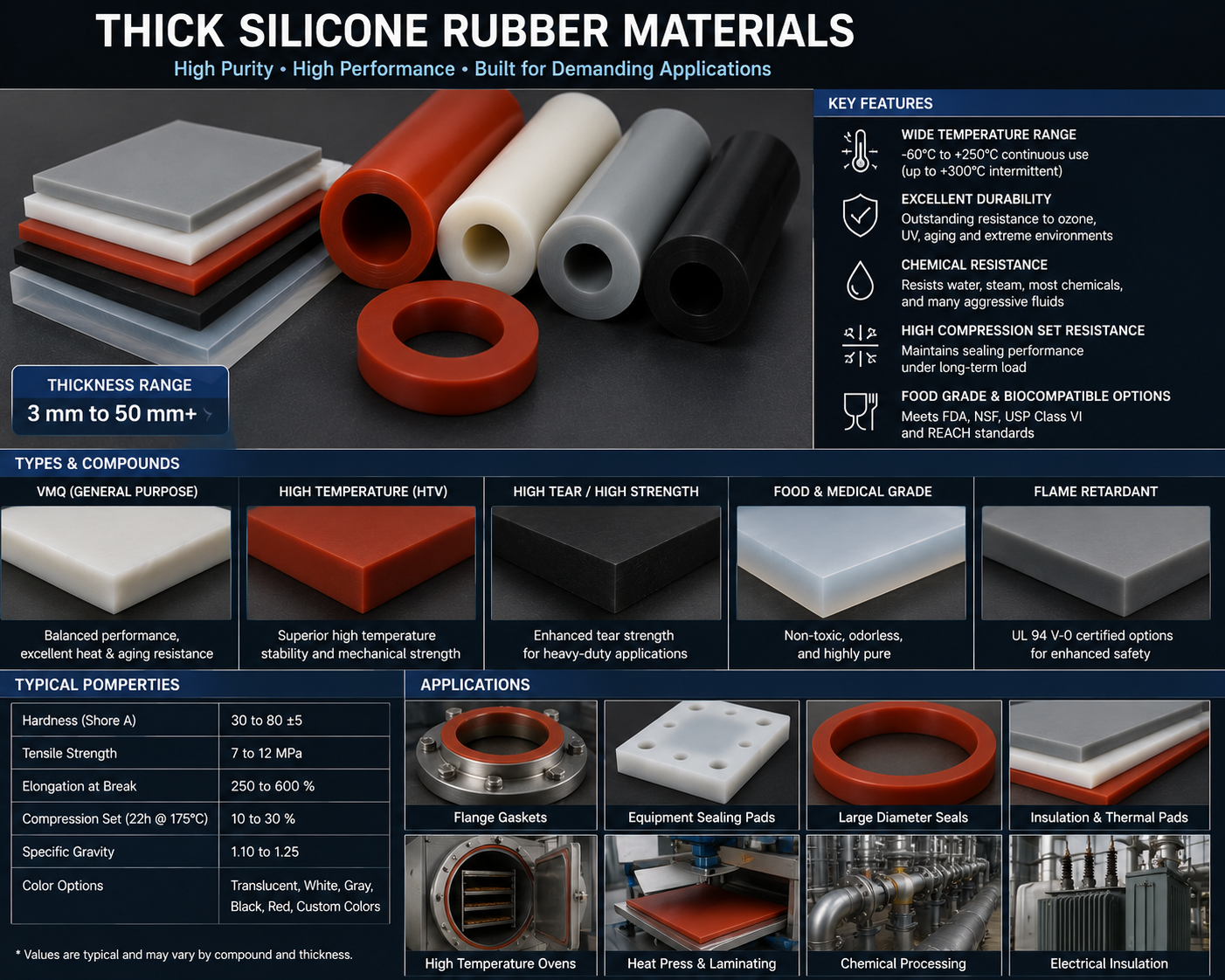
Theme: Thick Silicone Rubber Materials
Method 1: Die Cutting
Die cutting is one of the most common methods for cutting silicone rubber.
How It Works
A custom steel rule die or metal die applies pressure to cut the silicone into a specific shape.
Advantages
- High production speed
- Excellent repeatability
- Low cost for large volumes
- Suitable for gaskets and seals
Best For
- Silicone gaskets
- Sealing rings
- Insulation pads
- Automotive components
For production runs, die cutting is often the most economical solution.
Method 2: Waterjet Cutting
Waterjet cutting uses high-pressure water streams to cut silicone.
Advantages
- No heat generation
- Clean edges
- No material distortion
- Suitable for thick materials
Best For
- Thick silicone sheets
- Prototype parts
- Complex geometries
- Low-to-medium volume production
Waterjet cutting is particularly useful for silicone thicker than several millimeters.
Method 3: CNC Knife Cutting
Digital knife cutting uses computer-controlled blades.
Advantages
- No tooling cost
- Fast design changes
- Good accuracy
Best For
- Samples
- Prototypes
- Custom parts
- Small production runs
CNC cutting is commonly used before moving to mass production.
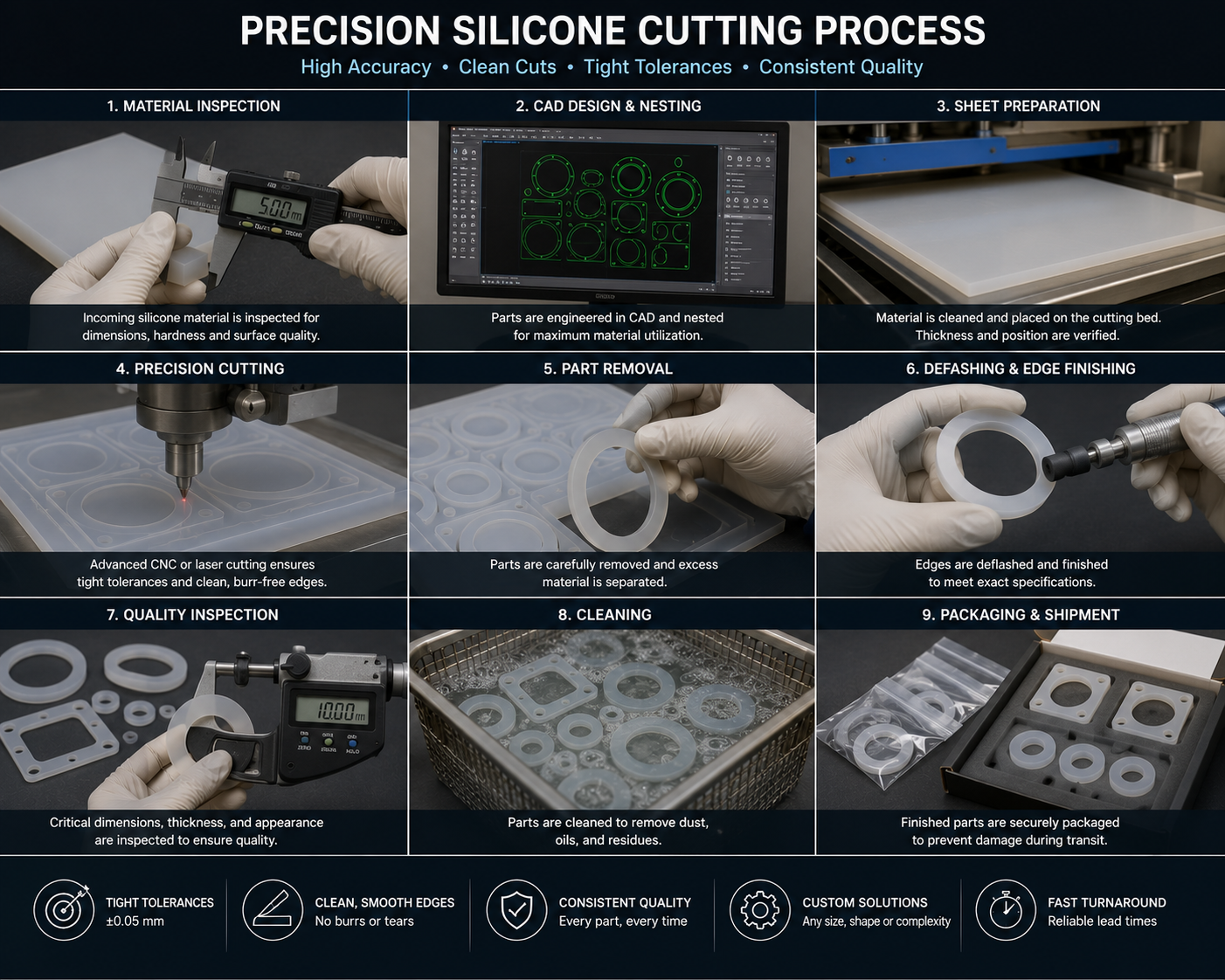
Theme: Precision Silicone Cutting Process
Method 4: Laser Cutting
Laser cutting can process certain silicone materials.
Advantages
- High precision
- Complex shapes
- No physical tooling
Limitations
- Heat may affect edge quality
- Not ideal for all silicone grades
- May generate fumes
Laser cutting is generally less common than die cutting or waterjet cutting for thick silicone.
Method 5: Manual Cutting
For simple projects, silicone can be cut manually.
Common tools include:
- Utility knives
- Craft knives
- Rotary cutters
- Heavy-duty shears
Tips
- Use a sharp blade
- Secure the material
- Cut slowly
- Make multiple passes if necessary
Manual cutting works for basic tasks but is unsuitable for precision manufacturing.
Which Cutting Method Is Best?
| Cutting Method | Precision | Volume | Thick Silicone Suitability |
|---|---|---|---|
| Die Cutting | Excellent | High | Excellent |
| Waterjet Cutting | Excellent | Medium | Excellent |
| CNC Knife Cutting | Good | Low-Medium | Good |
| Laser Cutting | Good | Medium | Moderate |
| Manual Cutting | Low | Very Low | Limited |
For OEM production, die cutting and waterjet cutting are typically preferred.
Common Applications for Die-Cut Silicone Components
Automotive Industry
Used for:
- Sealing gaskets
- Thermal barriers
- Vibration isolation
Consumer Electronics
Used for:
- Waterproof seals
- Protective pads
- Insulation components
Medical Devices
Used for:
- Seals
- Cushioning components
- Precision silicone parts
Industrial Equipment
Used for:
- Environmental sealing
- Thermal insulation
- Chemical-resistant gaskets
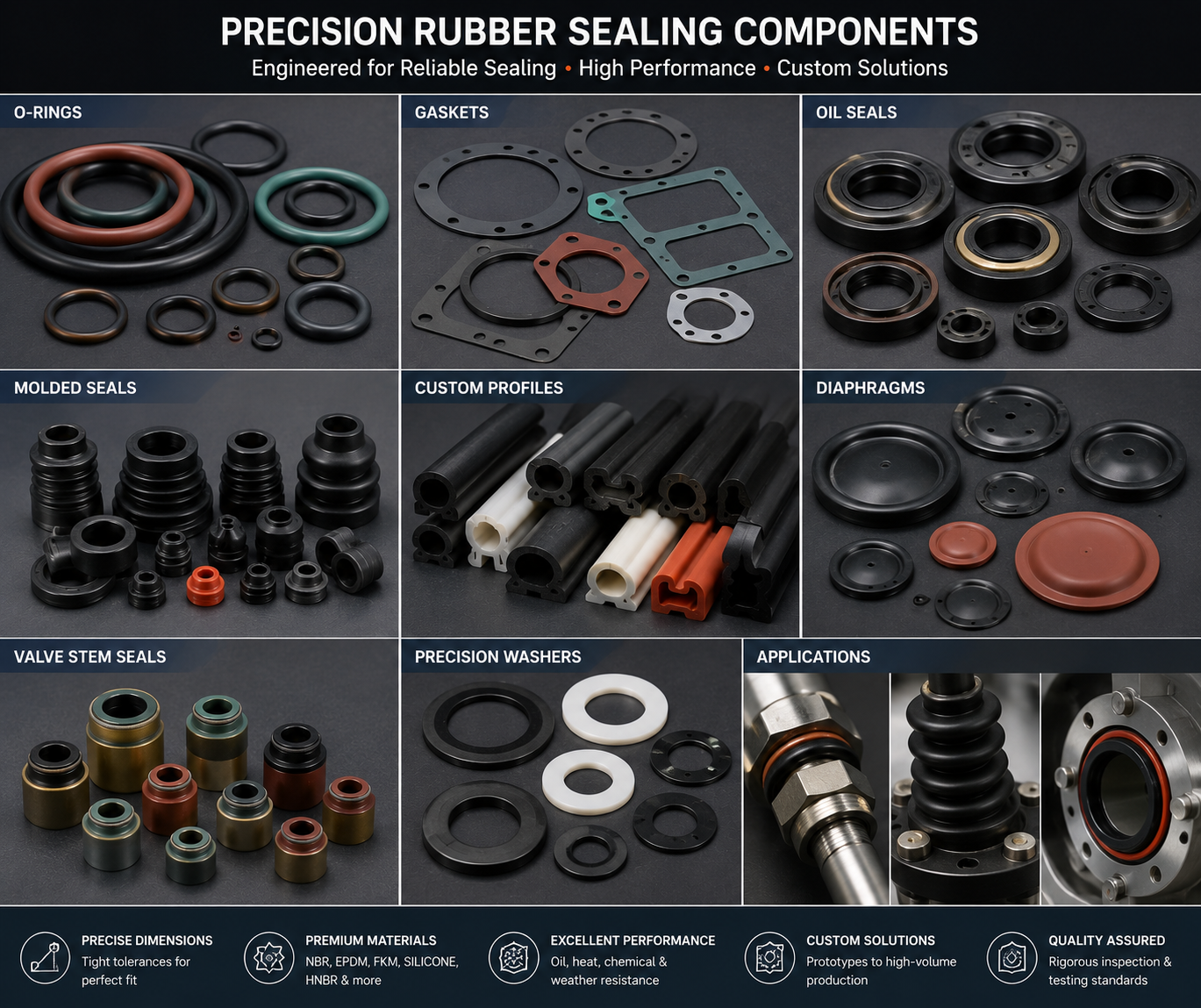
Theme: Precision Silicone Gasket Components
How Sanken Manufacturing Processes Thick Silicone
Dongguan Sanken Electronics Manufacturing Co., Ltd. specializes in custom silicone and rubber component manufacturing for OEM customers worldwide.
Our capabilities include:
- Precision die cutting
- Silicone gasket manufacturing
- Waterjet cutting
- Adhesive laminating
- Rubber molding
- Injection molding
Key Advantages
- OEM and ODM customization
- ISO 9001 certified quality management
- RoHS and REACH compliant materials
- Domestic and overseas production bases
- Cleanroom precision manufacturing
- Tool development from drawings or samples
We support automotive sealing systems, consumer electronics, industrial equipment, and medical applications.
Featured Snippet Summary
The best way to cut thick silicone is through die cutting, waterjet cutting, or CNC knife cutting, depending on production volume and precision requirements. Die cutting is ideal for high-volume production, while waterjet cutting provides excellent results for thick silicone sheets and complex shapes.
Conclusion
Thick silicone can be challenging to process due to its flexibility and elasticity, but modern cutting technologies make precise fabrication possible. Die cutting remains the preferred solution for large-volume production, while waterjet and CNC cutting offer flexibility for prototypes and custom projects.
Selecting the right cutting method ensures clean edges, dimensional accuracy, and reliable performance for silicone gaskets, seals, insulation components, and custom OEM products.