
How to Reduce Noise During Vehicle Operation? The Hidden Engineering Behind a Quiet and Comfortable Cabin
A customer once asked us a question after testing two vehicles with similar specifications.
“Why does one car feel calm and premium while the other feels noisy and exhausting after only thirty minutes?”
The engine power was nearly identical.
The suspension system was also similar.
But the driving experience felt completely different.
The reason came down to one critical factor many drivers never see:
Vehicle noise control engineering.
Modern vehicles are filled with hidden acoustic materials, vibration management systems, sealing structures, and precision-converted components designed to reduce noise during operation. Without these systems, even expensive vehicles can feel rough, hollow, and tiring during daily driving.
Reducing noise during vehicle operation requires controlling vibration, blocking airborne sound, minimizing structural resonance, improving sealing performance, and optimizing acoustic materials throughout the vehicle body. Effective solutions usually combine sound deadening materials, acoustic foam, sealing systems, thermal barriers, precision die-cut components, and advanced NVH engineering.
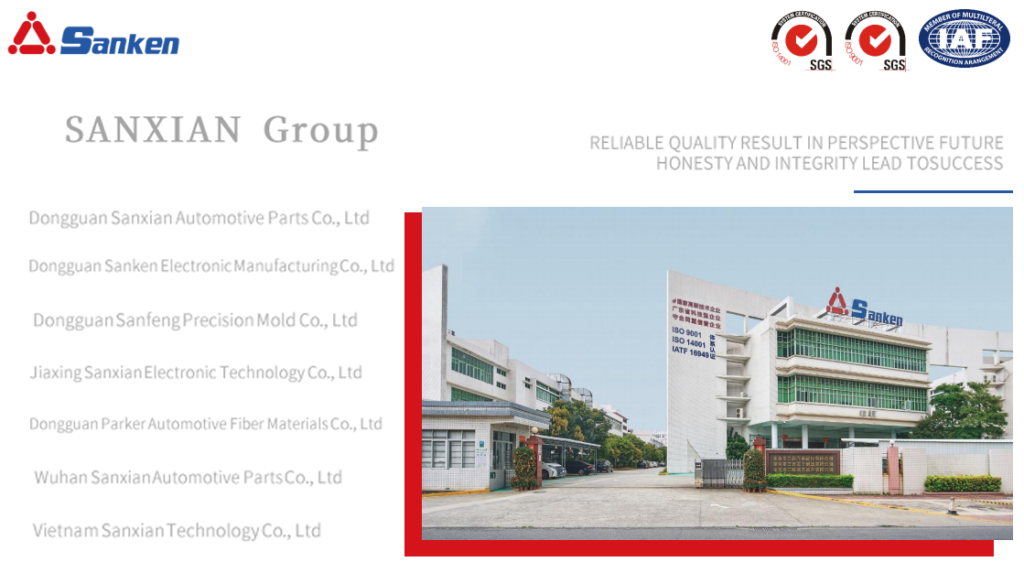
At Sanken, we help automotive OEM customers solve these challenges through precision die cutting, foam converting, adhesive laminating, hot pressing, and integrated acoustic material manufacturing solutions designed for modern vehicle platforms.
Where Does Vehicle Noise Actually Come From?
Most people assume vehicle noise mainly comes from the engine.
That was true years ago.
Today, modern vehicles generate noise from many different sources:
| Noise Source | Typical Cause |
|---|---|
| Road noise | Tire vibration and road contact |
| Wind noise | Air turbulence around doors and mirrors |
| Structural vibration | Metal resonance and panel movement |
| Interior squeaks | Friction between components |
| Powertrain noise | Engine or motor operation |
| HVAC noise | Airflow and duct vibration |
Especially in electric vehicles, many traditional masking sounds disappeared.
As a result, drivers now notice small noises much more easily.
Why Noise Reduction Became More Important Than Ever
Modern customers expect cabins to feel:
- Quiet
- Stable
- Comfortable
- Refined
- Premium
Noise directly affects driver fatigue.
Even small repetitive sounds can make a vehicle feel cheap over time.
That is why automotive NVH engineering became one of the most important areas in vehicle development.
NVH means:
- Noise
- Vibration
- Harshness
Controlling NVH requires far more than simply adding insulation.
It requires a complete material and structural strategy.

Why Vibration Control Is the First Step
Most unwanted noise actually starts as vibration.
When metal panels vibrate, they create resonance.
That resonance becomes audible cabin noise.
This commonly happens in:
- Doors
- Floor pans
- Roof panels
- Wheel wells
- Dashboard structures
To reduce vibration, manufacturers often use:
- Butyl damping sheets
- Foam isolators
- Structural adhesive systems
- Precision die-cut acoustic pads
At Sanken, precision foam converting and material laminating help OEM customers reduce structural vibration more effectively.
Why Door Sealing Is More Important Than Most Drivers Think
A poorly sealed vehicle allows:
- Wind leakage
- Pressure fluctuation
- High-frequency turbulence noise
Even tiny sealing gaps may create surprisingly loud cabin noise at highway speeds.
Modern sealing systems require:
- Compression stability
- Long-term elasticity
- Accurate dimensional tolerances
- Temperature resistance
At Sanken, we support automotive sealing applications through precision die cutting and foam material engineering designed for stable long-term vehicle performance.
Why Acoustic Foam Is Everywhere Inside Modern Vehicles
Acoustic foam quietly plays a huge role in cabin comfort.
It helps:
- Absorb airborne sound
- Reduce resonance
- Separate vibrating surfaces
- Stabilize panel interfaces
Modern vehicles contain acoustic foam behind:
- Dashboards
- Door trims
- Carpet systems
- Roof liners
- Center consoles
Especially in EVs, advanced foam systems became essential because electric drivetrains are naturally quieter.
This means passengers hear more environmental noise than before.
Why Lightweight Noise Reduction Became a Huge Industry Challenge
Years ago, automakers could simply add heavier insulation materials.
Today, that approach no longer works.
Modern vehicles must remain:
- Lightweight
- Energy efficient
- EV-range optimized
This created strong demand for:
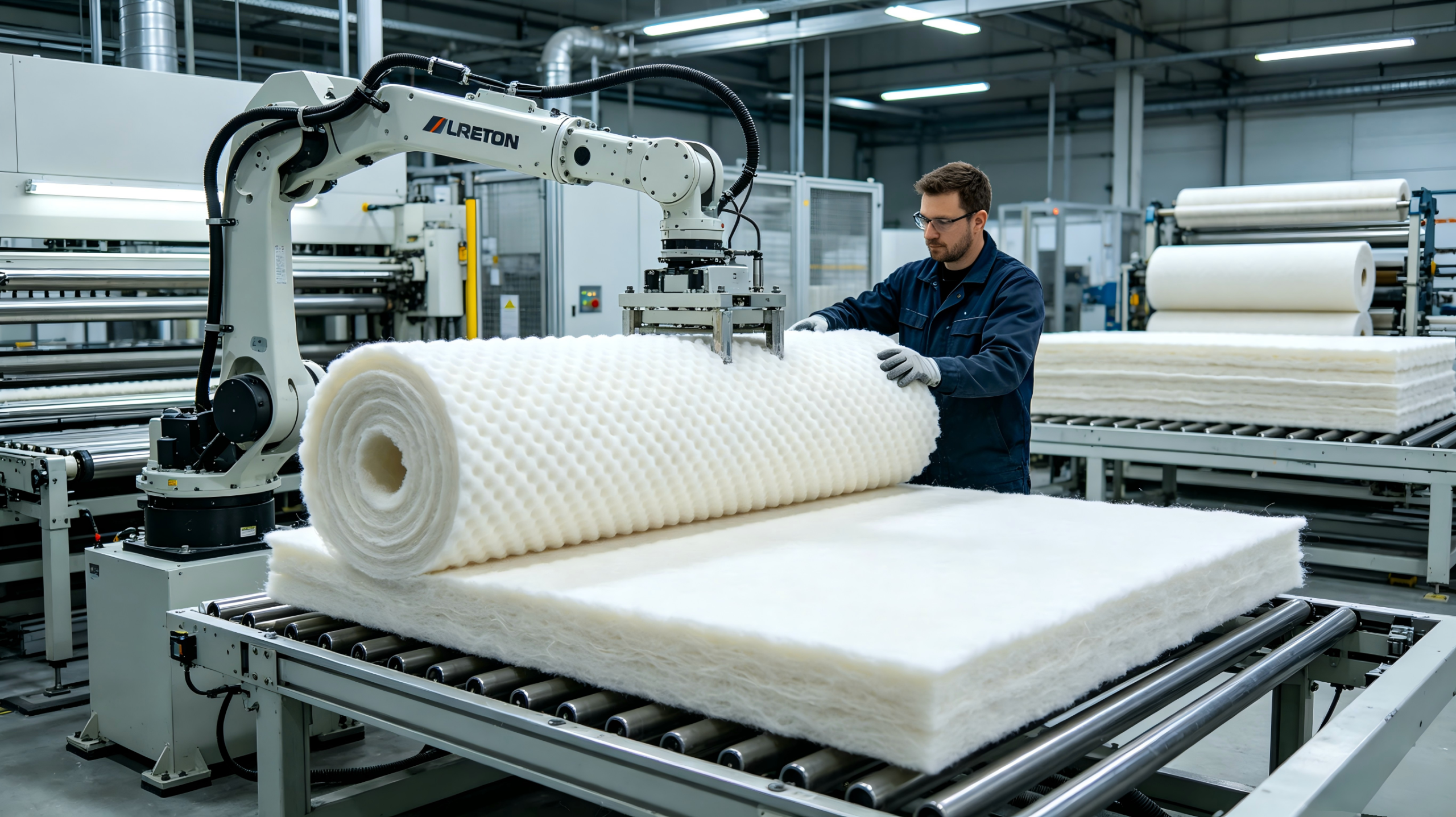
- Lightweight acoustic composites
- Multi-layer foam laminates
- Precision-converted insulation systems
- High-efficiency damping materials
At Sanken, we help customers optimize acoustic performance while balancing vehicle weight reduction goals.
Why EVs Completely Changed Vehicle Acoustic Engineering
Electric vehicles exposed many hidden cabin issues.
Without engine noise masking imperfections, drivers now notice:
- Tire vibration
- Dashboard resonance
- Cable movement
- HVAC airflow
- Wind turbulence
This dramatically increased pressure on OEM suppliers to improve:
- Acoustic insulation
- Thermal-acoustic integrated materials
- Structural damping systems
- Precision sealing components
At Sanken, we support EV-related acoustic applications through advanced converting technologies designed for next-generation mobility platforms.
Why Interior Material Quality Affects Noise Perception
Cheap interior materials often create:
- Squeaking
- Rattling
- Surface vibration
- Structural looseness
Many drivers describe this as a “hollow” feeling.
Premium cabins rely heavily on:
- Soft foam interfaces
- Anti-friction materials
- Acoustic felt systems
- Stable adhesive laminates
These hidden details strongly influence perceived vehicle quality.
At Sanken, integrated material converting helps customers improve both tactile comfort and acoustic refinement.
Why Installation Accuracy Matters
Even excellent acoustic materials fail if installation quality is unstable.
Poor installation may create:
- Air gaps
- Misalignment
- Uneven compression
- Loose bonding
At Sanken, precision die cutting helps ensure:
- Accurate fitment
- Stable assembly positioning
- Consistent compression behavior
- Repeatable production quality
Because in automotive manufacturing, repeatability matters more than prototypes.
Why Automotive Buyers Must Think Beyond Raw Material Cost
Many companies initially focus only on material price.
That often creates larger costs later.
Low-quality acoustic systems may lead to:
- Customer complaints
- Warranty claims
- Reduced brand perception
- Production instability
At Sanken, we help customers evaluate:
- Acoustic performance
- Compression durability
- Thermal aging behavior
- Adhesive stability
- Flame resistance
- Long-term material consistency
This reduces both production risk and future quality problems.
Why One-Stop Manufacturing Helps Reduce Vehicle Noise
Noise reduction systems involve many integrated processes:
- Foam converting
- Laminating
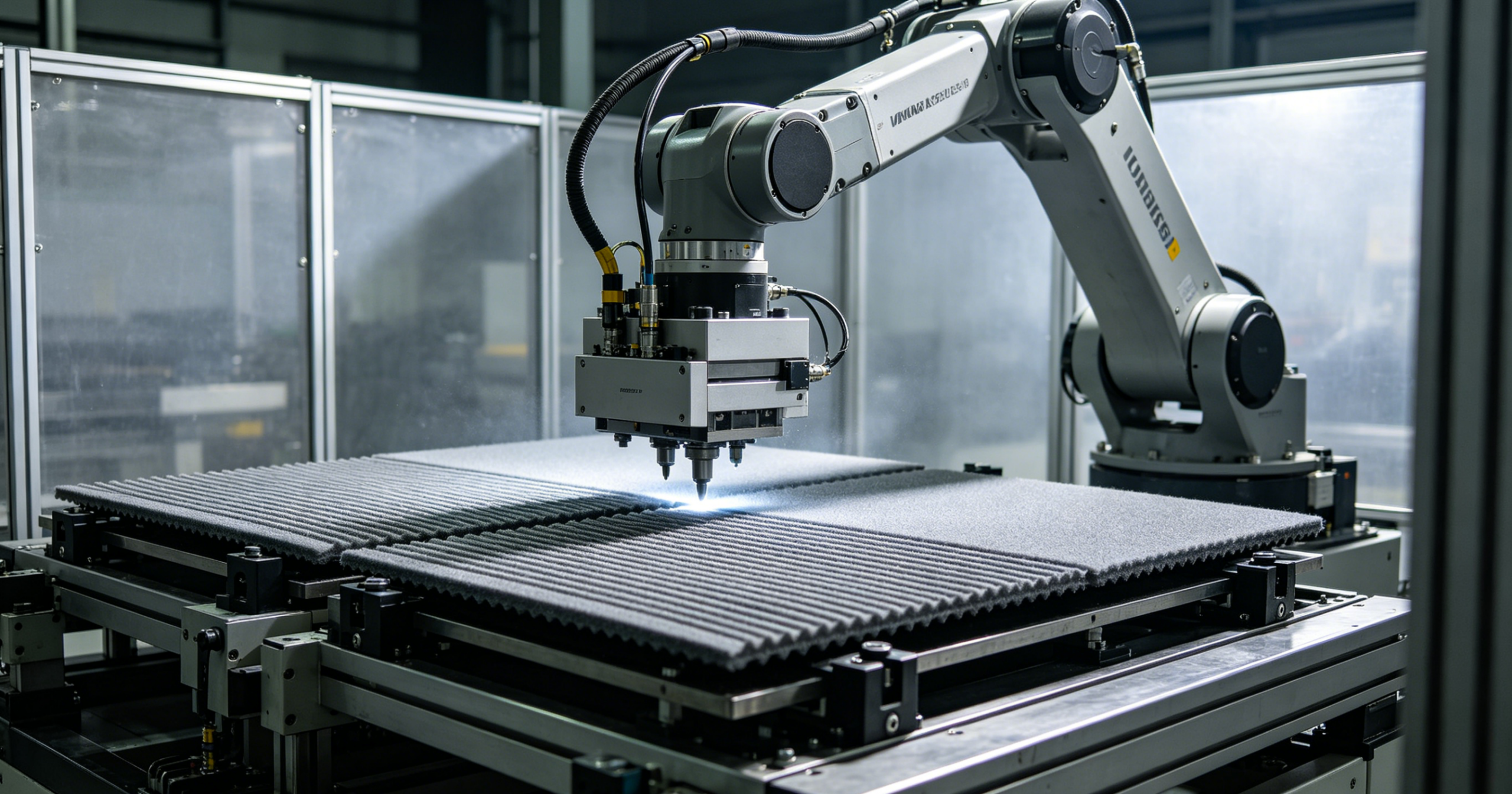
- Die cutting
- Hot pressing
- Adhesive assembly
Managing multiple suppliers often creates inconsistency.
At Sanken, we integrate:
- Precision die cutting
- Foam converting
- Adhesive laminating
- Hot pressing
- Material assembly
- Injection molding support
This one-stop manufacturing capability helps OEM customers improve both acoustic performance and production efficiency.
So… How Can Vehicle Noise Be Reduced Effectively?
The most effective approach combines:
- Vibration damping
- Acoustic absorption
- Sealing optimization
- Structural stabilization
- Lightweight insulation engineering
There is no single material that solves every problem.
Professional NVH control always requires system-level engineering.
At Sanken, we help automotive customers develop integrated acoustic solutions designed for modern vehicle platforms and scalable mass production.
Conclusion
Reducing noise during vehicle operation requires controlling vibration, improving sealing systems, optimizing acoustic materials, and stabilizing vehicle structures through advanced NVH engineering. Modern vehicles — especially EVs — rely heavily on precision-converted foam, insulation, damping, and sealing components to create quiet and comfortable cabins. At Sanken, we support automotive OEM customers through precision die cutting, foam converting, laminating, and integrated acoustic material solutions designed for long-term vehicle performance.