

Why are injection moulds so expensive to make?
Injection mould cost often surprises OEM buyers.
A tooling quote can feel disproportionately high compared to the price of a single part.
In my work at Sanken Manufacturing, I see this reaction all the time.
Customers expect part cost to scale logically, but tooling behaves differently.
The truth is simple.
Injection moulds are not tools in the traditional sense.
They are long-life production systems designed to guarantee repeatability at scale.
Injection moulds are expensive because they are precision-engineered assets built for long-term mass production. They require hardened steel, multi-axis CNC machining, EDM processing, polishing, assembly fitting, and repeated trial validation. Each mould must hold tight tolerances under high temperature and pressure cycles while producing identical parts over hundreds of thousands or even millions of shots. The cost is not just manufacturing effort—it is engineering risk control, dimensional stability assurance, and lifecycle reliability. When we explain this to customers, we often say: you are not buying a tool, you are buying production certainty.
That mindset shift matters.
Because once you treat a mould as a “system,” the cost starts to make sense.
It is not a one-time machining expense.
It is a long-term production guarantee.
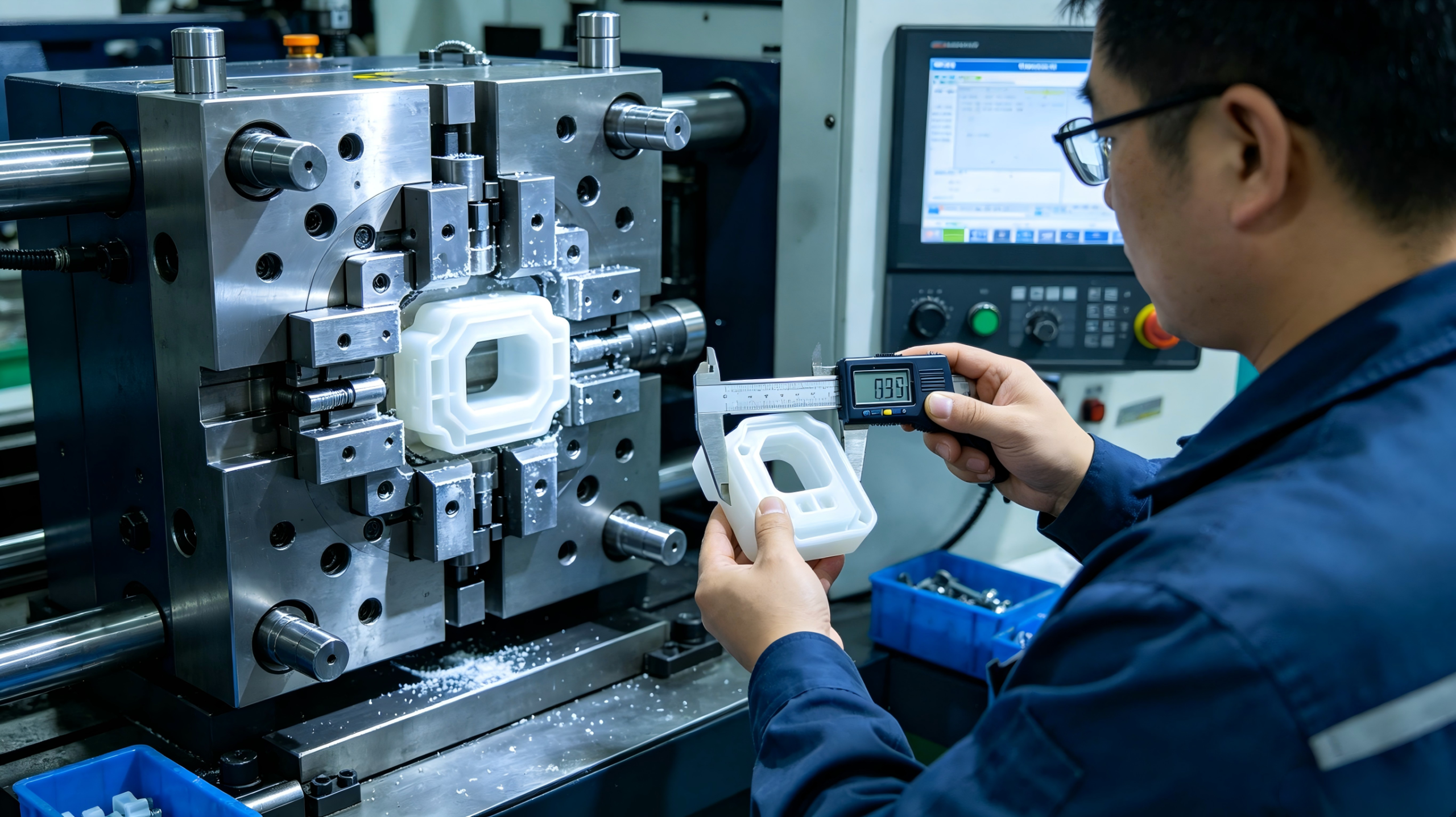
Why does material selection drive so much of the cost?
The first major cost driver is steel.
Mould steel is not standard metal.
It must survive heat, pressure, and wear cycles for years.
Common tooling steels are pre-hardened or fully hardened alloys designed for durability.
Reference data: https://www.azom.com/article.aspx?ArticleID=12345
Harder steel means:
- Longer machining time
- Higher tool wear
- More EDM shaping work
- More polishing effort
Every hour of machining on hardened steel costs significantly more than standard fabrication.
And this is only the beginning.
Why does design complexity multiply tooling cost so quickly?
Modern OEM parts are no longer simple geometries.
They often include:
- Thin-wall structures
- Snap-fit assemblies
- Sealing features
- Micro-textures
- Multi-cavity balancing requirements
Each feature increases engineering workload.
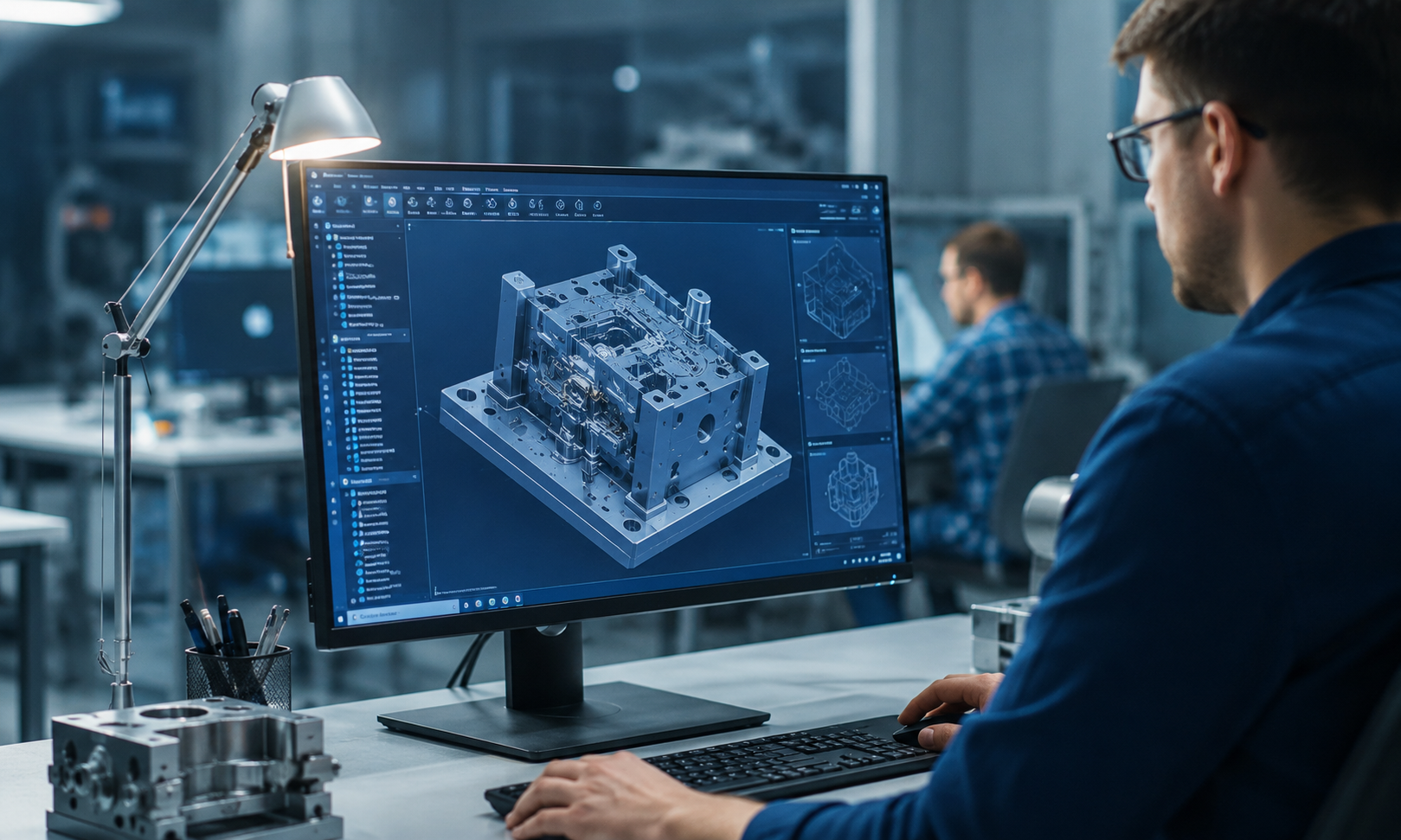
A small geometry change can trigger:
- New electrode design
- Re-cutting of steel inserts
- Cooling system redesign
- Additional validation cycles
Complexity is not additive.
It is exponential.
That is why early design-for-manufacturing (DFM) decisions matter so much.
Why does precision increase both cost and value?
Injection moulds operate at micron-level precision.
Even a small deviation can cause:
- Flash defects
- Warpage
- Dimensional instability
- Assembly misalignment
To achieve stability, manufacturers rely on:
- High-end CNC machines
- Wire EDM finishing
- Skilled toolmakers
- Manual fitting and polishing
Reference data: https://www.sciencedirect.com/topics/engineering/injection-molding
This is where experience becomes expensive—but essential.
Because machines cut metal.
But humans ensure fit and function.
A mould is never “finished” after machining.
It must be tested.
Typically through:
- T0 trial injection
- T1 correction cycles
- T2 optimization runs
Each cycle involves:
- Material consumption
- Machine time
- Engineering adjustments
- Measurement and inspection
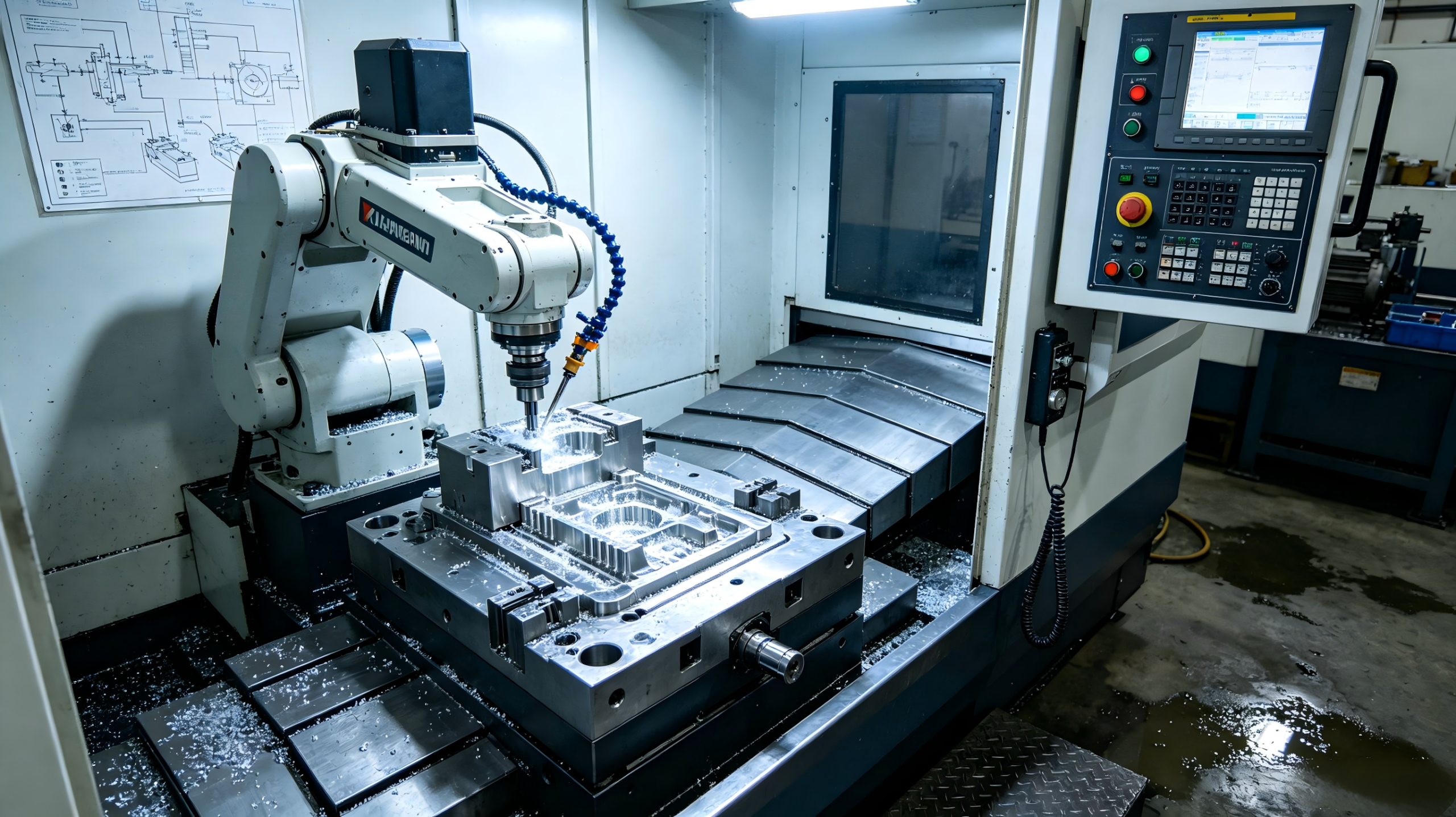
At Sanken, we treat this stage as risk elimination.
Because real production begins only after stability is proven.
Skipping validation always costs more later.
Why do OEM companies still accept high mold costs?
Because failure costs more than tooling.
A poorly built mould can lead to:
- Production downtime
- High scrap rates
- Assembly failures
- Warranty risks
- Supply chain disruption
For automotive, electronics, and medical industries, these risks are unacceptable.
So the logic is simple:
Pay more once.
Avoid paying continuously later.
How we approach mould cost at Sanken
We do not view injection moulds in isolation.
We see them as part of a full manufacturing ecosystem.
At Sanken Manufacturing, our capability spans:
- Precision die-cutting
- Injection molding
- Material conversion
- Multi-process integration
This allows us to align mould design with downstream processes early.
What this achieves for customers:
- Fewer redesign cycles
- More stable mass production
- Reduced assembly issues
- Better long-term cost control
In many cases, the cheapest mould is not the lowest quote—it is the most stable production outcom
Conclusion
Injection moulds are expensive because they are built for certainty, not simplicity.
They combine precision engineering, material science, and long-term production stability into one system.
In manufacturing, stability is never cheap—but instability is always more expensive.