
Is Non-Woven Fabric Environmentally Friendly? The Truth Most Buyers and Manufacturers Are Now Forced to Face
A customer once asked us a surprisingly direct question during a material sourcing meeting:
“Everyone says non-woven fabric is eco-friendly… but is it really?”
Honestly, that is exactly the right question to ask.
Because the answer is not as simple as “yes” or “no.”
Some non-woven materials help reduce waste, lower production energy consumption, and improve manufacturing efficiency. Others may create environmental pressure if low-quality raw materials, unstable recycling systems, or poor production practices are involved.
Today, global manufacturers are under enormous pressure from customers, governments, and supply chains to adopt more sustainable materials. As a result, non-woven fabric has become one of the fastest-growing material categories across automotive, medical, filtration, hygiene, electronics, and industrial applications.
Non-woven fabric can be environmentally friendly when designed with recyclable materials, efficient production processes, lightweight structures, and sustainable lifecycle management. However, actual environmental performance depends heavily on raw material selection, manufacturing technology, durability, recyclability, and end-use application.
At Sanken, we help OEM customers optimize non-woven material solutions through precision die cutting, laminating, foam converting, and advanced material engineering designed for both functional performance and modern sustainability requirements.
What Is Non-Woven Fabric?
Unlike traditional woven textiles, non-woven fabric is produced by bonding fibers together mechanically, thermally, or chemically without weaving or knitting.
This creates materials that are:
- Lightweight
- Flexible
- Cost-efficient
- Highly customizable
Non-woven materials are now widely used in:
| Industry | Common Applications |
|---|---|
| Automotive | Acoustic insulation, headliners |
| Medical | Surgical masks, gowns |
| Electronics | Insulation and protection |
| Filtration | Air and liquid filters |
| Hygiene | Disposable products |
| Construction | Waterproofing layers |
Its versatility is one reason the industry continues expanding rapidly.
Why Non-Woven Fabric Is Often Considered Eco-Friendly
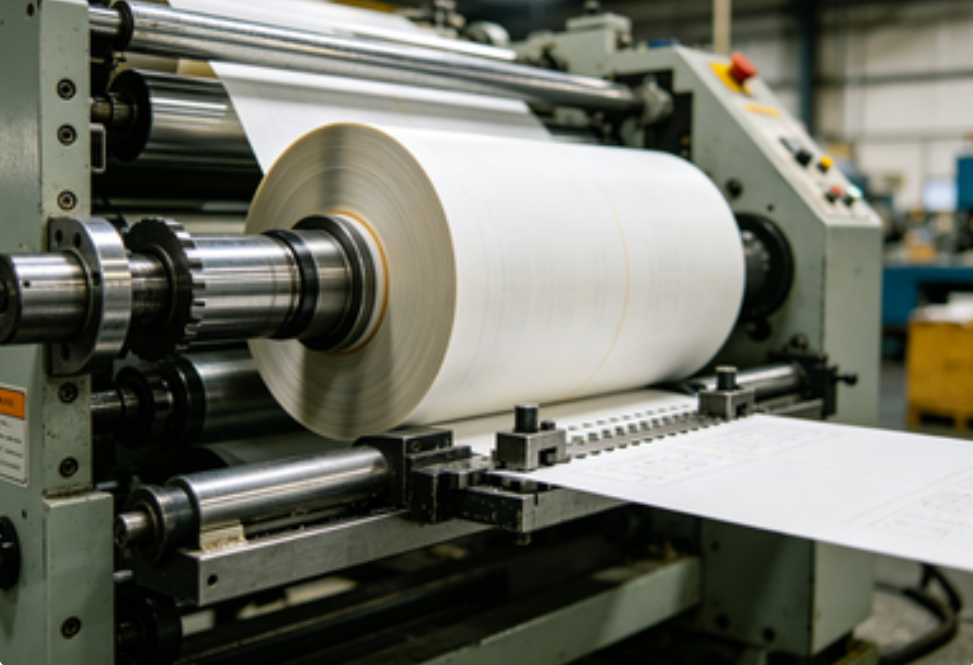
One major advantage is manufacturing efficiency.
Traditional woven textiles require:
- Spinning
- Weaving
- Multiple finishing stages
Non-woven production often uses fewer processing steps.
This may reduce:
- Energy consumption
- Water usage
- Production waste
- Manufacturing time
In many industrial applications, lightweight non-woven structures also help reduce overall product weight, which indirectly lowers transportation energy usage.
Especially in automotive manufacturing, lightweight materials contribute directly to fuel efficiency and EV range optimization.
But Not All Non-Woven Materials Are Sustainable
This is where many marketing claims become misleading.
Some low-cost non-woven products are made from difficult-to-recycle synthetic materials with poor long-term durability.
If poorly designed, they may contribute to:
- Single-use waste accumulation
- Short product lifecycle issues
- Recycling difficulty
- Environmental pollution
The environmental impact depends heavily on:
- Fiber composition
- Production quality
- Recyclability
- Intended lifespan
At Sanken, we always encourage customers to evaluate full lifecycle performance — not just initial material cost.
Why Material Selection Matters So Much
Non-woven fabric can be produced using various raw materials:
Natural fibers
- Cotton
- Bamboo
- Wood pulp
Synthetic fibers
- Polyester
- Polypropylene
- PET
Recycled materials
- Recycled PET fibers
- Post-industrial materials
Each option offers different environmental characteristics.
For example:
| Material Type | Sustainability Advantage |
|---|---|
| Bamboo fiber | Renewable source |
| Recycled PET | Reduces plastic waste |
| Polypropylene | Lightweight and efficient |
| Natural cellulose | Biodegradable potential |
The smartest manufacturers now balance performance and sustainability together.
Why Automotive Industry Uses More Non-Woven Fabric Than Ever
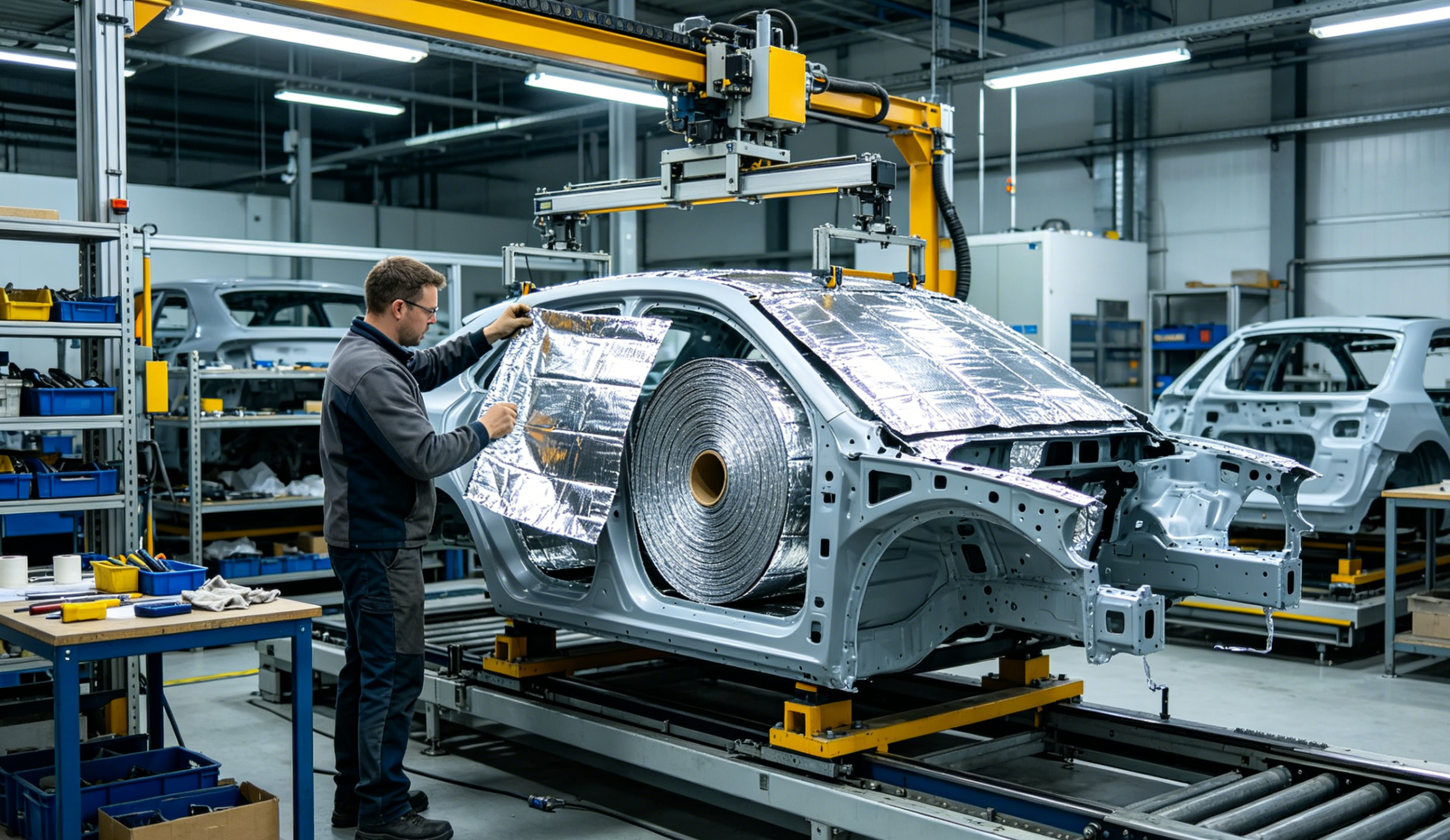
Modern vehicles contain large amounts of non-woven materials.
Especially in:
- Door panels
- Trunk liners
- Carpet backing
- Acoustic insulation systems
- Roof headliners
- EV battery insulation structures
Why?
Because non-woven materials provide excellent:
- Noise absorption
- Lightweight performance
- Thermal insulation
- Process flexibility
At Sanken, we support automotive OEM customers through precision converting and laminating technologies designed for advanced non-woven applications.
Why Non-Woven Fabric Became Essential in Medical Industry
Medical applications dramatically increased global awareness of non-woven materials.
Especially during periods of high healthcare demand.
Non-woven materials are ideal for medical environments because they offer:
- Breathability
- Filtration efficiency
- Lightweight comfort
- Hygienic production compatibility
Applications include:
- Surgical masks
- Isolation gowns
- Medical packaging
- Disposable hygiene systems
However, sustainability discussions also became more important because disposable medical waste increased significantly worldwide.
This pushed manufacturers toward recyclable and lower-impact material development.
Why Durability Is Part of Sustainability
Many people assume eco-friendly means biodegradable only.
That is incomplete thinking.
A material that fails quickly often creates more waste overall.
Durable non-woven systems may actually reduce environmental impact by:
- Extending product lifespan
- Reducing replacement frequency
- Improving manufacturing efficiency
- Lowering defect rates
At Sanken, we help customers improve long-term material performance through:
- Precision die cutting
- Foam laminating
- Multi-layer material integration
- Structural reinforcement solutions
Because sustainability and durability often work together.
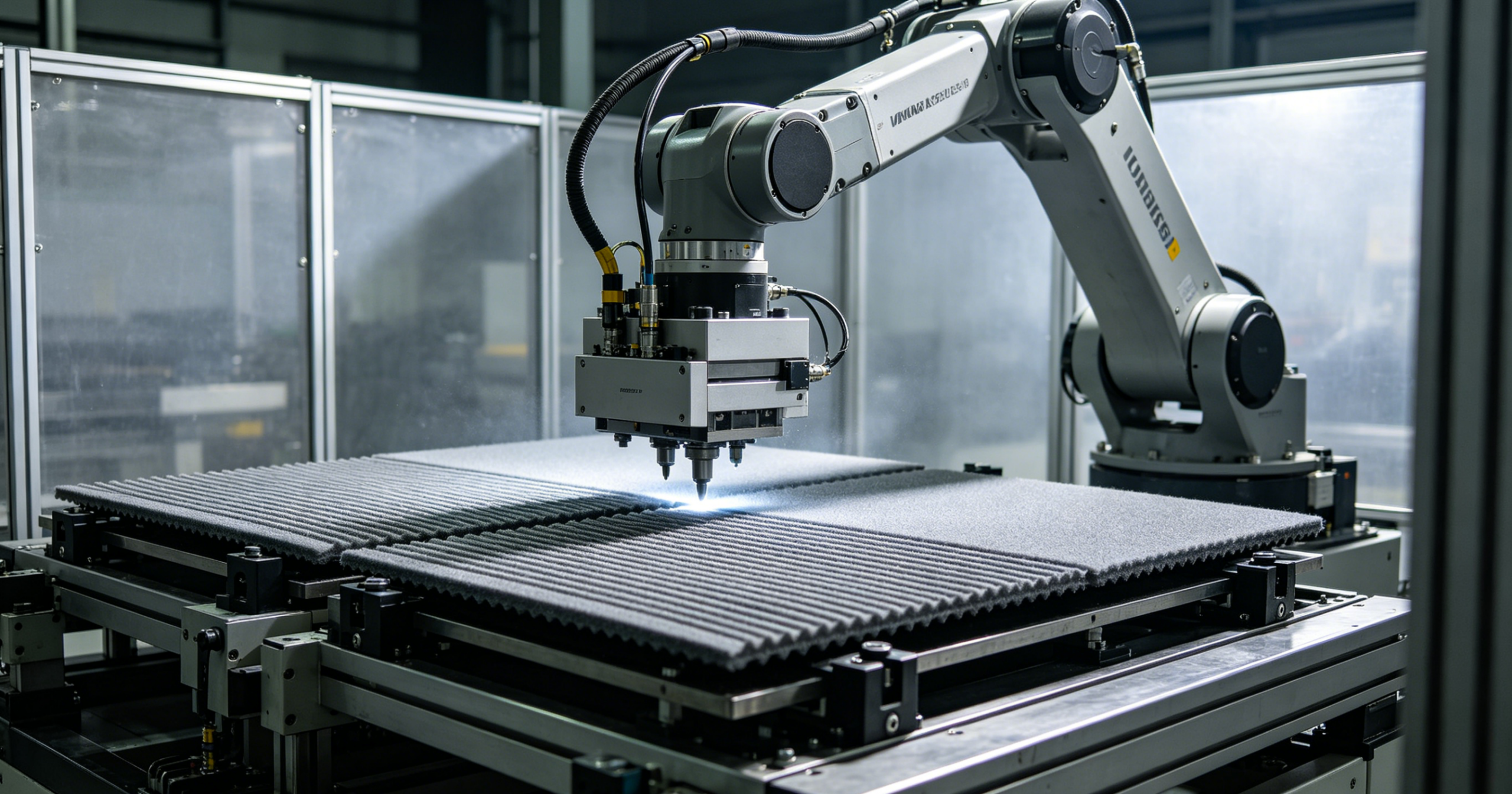
Why Precision Converting Helps Reduce Waste
Poor converting processes create:
- Excess scrap
- Material deformation
- Assembly rejection
- Inconsistent quality
At Sanken, advanced converting systems help optimize:
- Material utilization
- Cutting precision
- Process consistency
- Large-scale production efficiency
This reduces unnecessary waste during manufacturing.
For OEM customers, efficient converting is both an environmental and economic advantage.
Why Global Regulations Are Changing Material Selection
Today’s manufacturers face increasing environmental requirements such as:
- REACH compliance
- ROHS standards
- Recycled content requirements
- VOC reduction targets
Customers now expect suppliers to provide materials that meet both performance and sustainability expectations.
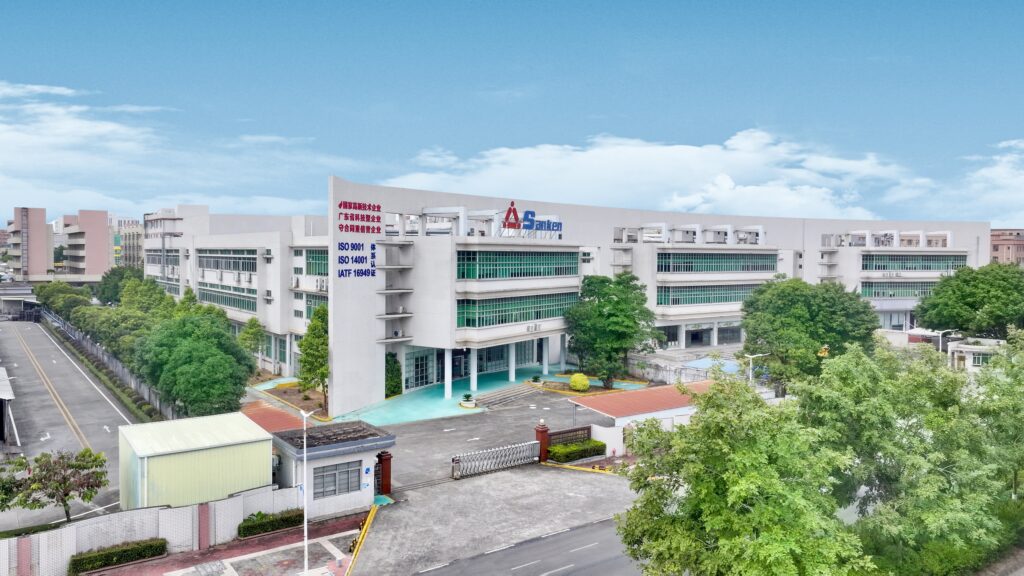
At Sanken, our manufacturing systems operate under:
- ISO 9001
- ISO 14001
- IATF 16949
This helps support environmentally responsible production management across global supply chains.
Why OEM Buyers Should Look Beyond “Green Marketing”
Some suppliers focus heavily on environmental slogans.
Professional buyers should focus on measurable factors instead:
- Material recyclability
- Production stability
- Product lifespan
- VOC performance
- Manufacturing waste control
- Supply chain consistency
True sustainability requires engineering reality — not just marketing language.
At Sanken, we help customers develop practical material solutions that balance:
- Environmental responsibility
- Production efficiency
- Functional performance
- Long-term durability
So… Is Non-Woven Fabric Environmentally Friendly?
The honest answer is:
It can be — when designed and manufactured responsibly.
Non-woven fabric offers major sustainability advantages through:
- Lightweight structures
- Efficient manufacturing
- Material flexibility
- Recyclable options
- Reduced processing energy
But environmental performance ultimately depends on:
- Raw material selection
- Product lifespan
- Recycling systems
- Manufacturing quality
At Sanken, we believe sustainable manufacturing is not about choosing one “perfect” material. It is about engineering smarter material systems that reduce waste while improving long-term performance.
Conclusion
Non-woven fabric can be environmentally friendly when produced with sustainable materials, efficient manufacturing processes, and long-term durability considerations. Its lightweight structure, production efficiency, and versatile applications make it increasingly important across automotive, medical, electronics, and industrial industries. At Sanken, we help OEM customers develop advanced non-woven material solutions through precision die cutting, laminating, and integrated manufacturing technologies designed for both performance and sustainability.