
How to Solve Wind Noise Issues with Automotive Foam Die-Cut Parts? The Problem Most Vehicle Manufacturers Underestimate
A customer once told me something interesting.
“The vehicle passed every lab test perfectly. But once drivers hit highway speed, complaints started flooding in.”
The problem was not the engine.
Not the door structure.
Not even the glass.
It was a tiny foam die-cut sealing component hidden deep inside the assembly system.
That single overlooked part created air leakage, vibration resonance, and high-frequency wind turbulence that drivers could immediately hear. In today’s automotive market, consumers are becoming extremely sensitive to cabin comfort. A small noise issue can quietly damage brand reputation, increase warranty pressure, and lower customer satisfaction scores.
Automotive wind noise problems are often solved using precision foam die-cut parts that seal gaps, absorb vibration, control airflow, reduce resonance, and improve cabin acoustic performance. These foam components may appear simple, but their material selection, compression behavior, adhesive stability, dimensional accuracy, and long-term durability directly affect vehicle NVH performance during real-world driving conditions.
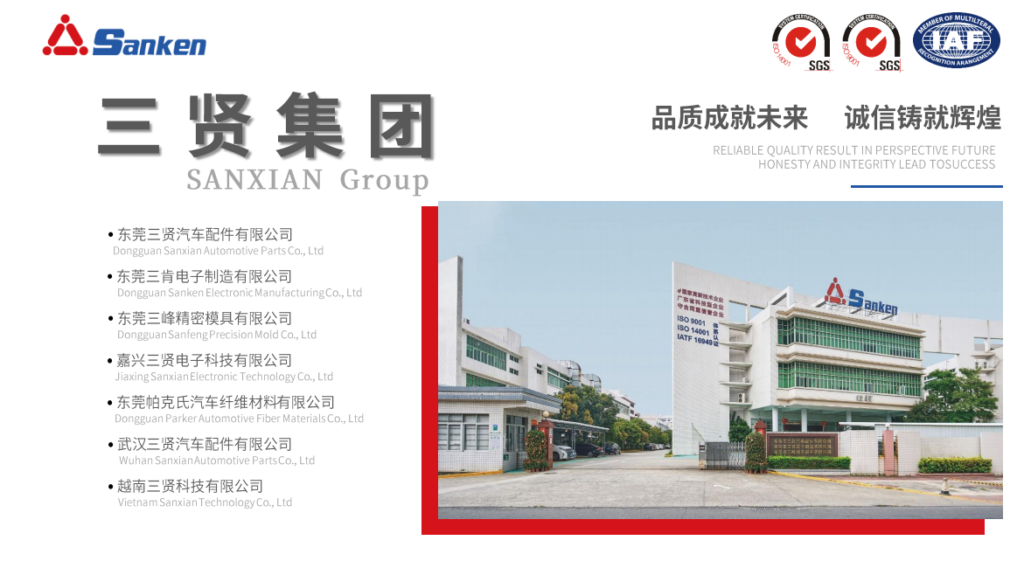
At Sanken, we help automotive OEM customers solve these hidden manufacturing challenges through precision die cutting, advanced material converting, multilayer laminating, and engineered foam solutions designed for long-term production stability.
Why Wind Noise Became a Major Automotive Problem
Years ago, drivers mainly focused on horsepower and fuel economy.
Today, expectations are completely different.
Modern vehicle buyers expect:
- Quiet cabins
- Premium driving feel
- Better acoustic comfort
- Lower vibration levels
- Improved sealing performance
This becomes even more critical for:
- Electric vehicles
- Luxury vehicles
- High-speed vehicles
Why?
Because EVs remove engine noise, making wind turbulence far easier to notice.
Small sealing weaknesses that were once hidden suddenly become very obvious.
Where Does Automotive Wind Noise Actually Come From?
Most people assume wind noise only comes from windows or doors.
The reality is much more complicated.
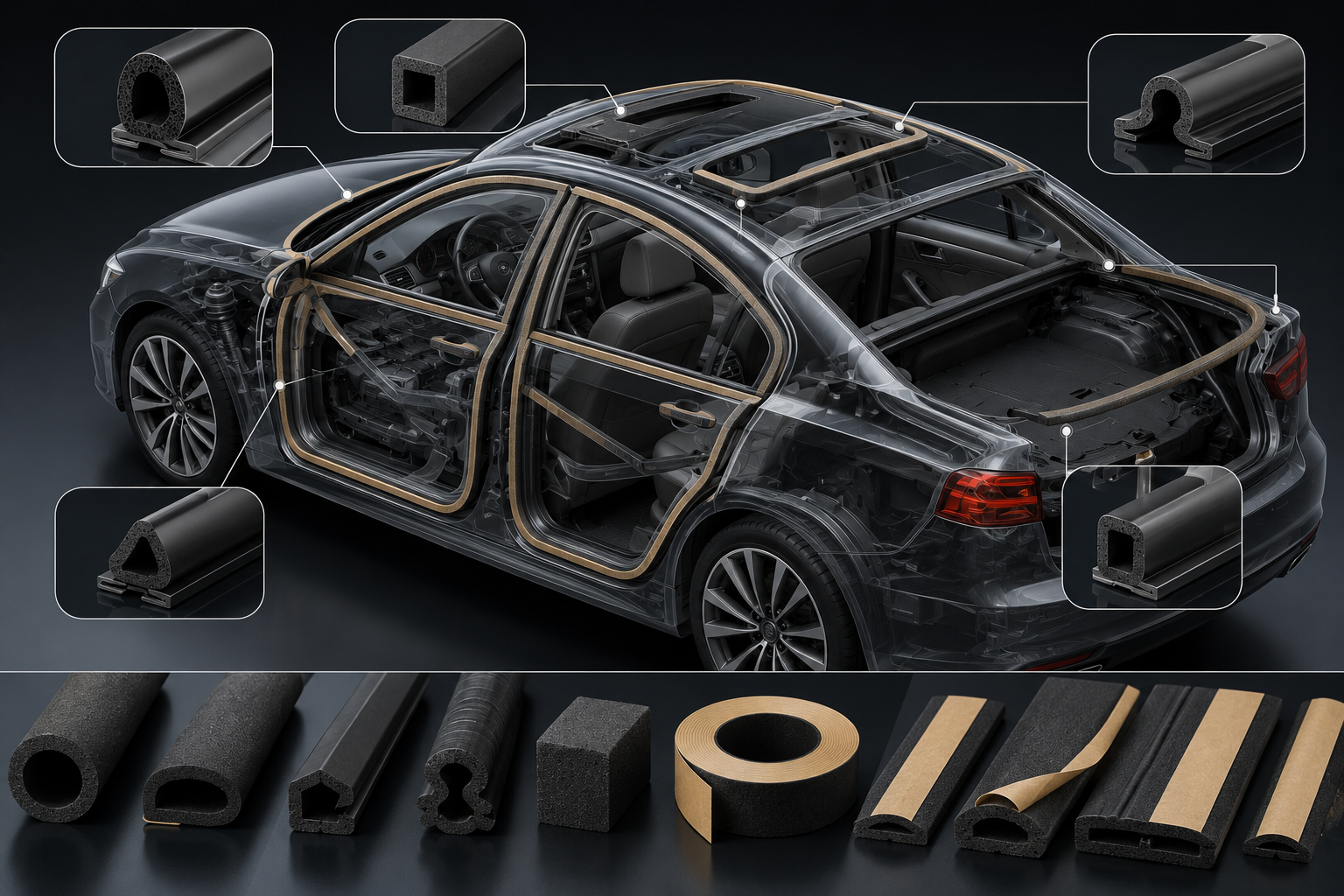
Common wind noise sources include:
| Vehicle Area | Common Cause |
|---|---|
| Door systems | Air leakage gaps |
| Side mirrors | Turbulent airflow |
| Sunroof assemblies | Compression inconsistency |
| Dashboard areas | Vibration resonance |
| Cable routing zones | Incomplete sealing |
| Pillar structures | Air pressure fluctuation |
Even tiny dimensional inconsistencies can create airflow instability at highway speed.
That instability quickly becomes audible inside the cabin.
Why Foam Die-Cut Parts Matter So Much
Foam components act like invisible acoustic engineers inside the vehicle.
Their role includes:
- Sealing air gaps
- Absorbing vibration
- Reducing airflow turbulence
- Isolating structural resonance
- Improving compression recovery
However, not all foam performs equally well.
Low-quality materials often create problems such as:
- Compression collapse
- Adhesive failure
- Shrinkage
- Edge deformation
- Long-term aging issues
This is why professional material engineering matters far more than simply “cutting foam into shapes.”
The Biggest Pain Point OEM Buyers Face
I hear this constantly from automotive buyers:
“The sample looked perfect, but production quality became unstable later.”
This usually happens because the supplier failed to control:
- Material consistency
- Tool wear
- Adhesive behavior
- Compression tolerance
- Process repeatability
Automotive production leaves almost no room for variation.
A foam part that is even slightly oversized may create assembly stress.
Slightly undersized?
Now air leakage appears during high-speed driving.
At Sanken, we focus heavily on repeatable process control because long-term production stability matters far more than prototype appearance.
Why Material Selection Is More Difficult Than It Looks
Two foam materials may appear identical visually.
But under automotive operating conditions, their behavior may be completely different.
At Sanken, we help customers evaluate:
- Density stability
- Compression set resistance
- Temperature durability
- Flame resistance
- Acoustic absorption performance
- Adhesive compatibility
This engineering analysis helps prevent future field failures and warranty risks.
Why Adhesive Systems Often Become the Hidden Failure Point
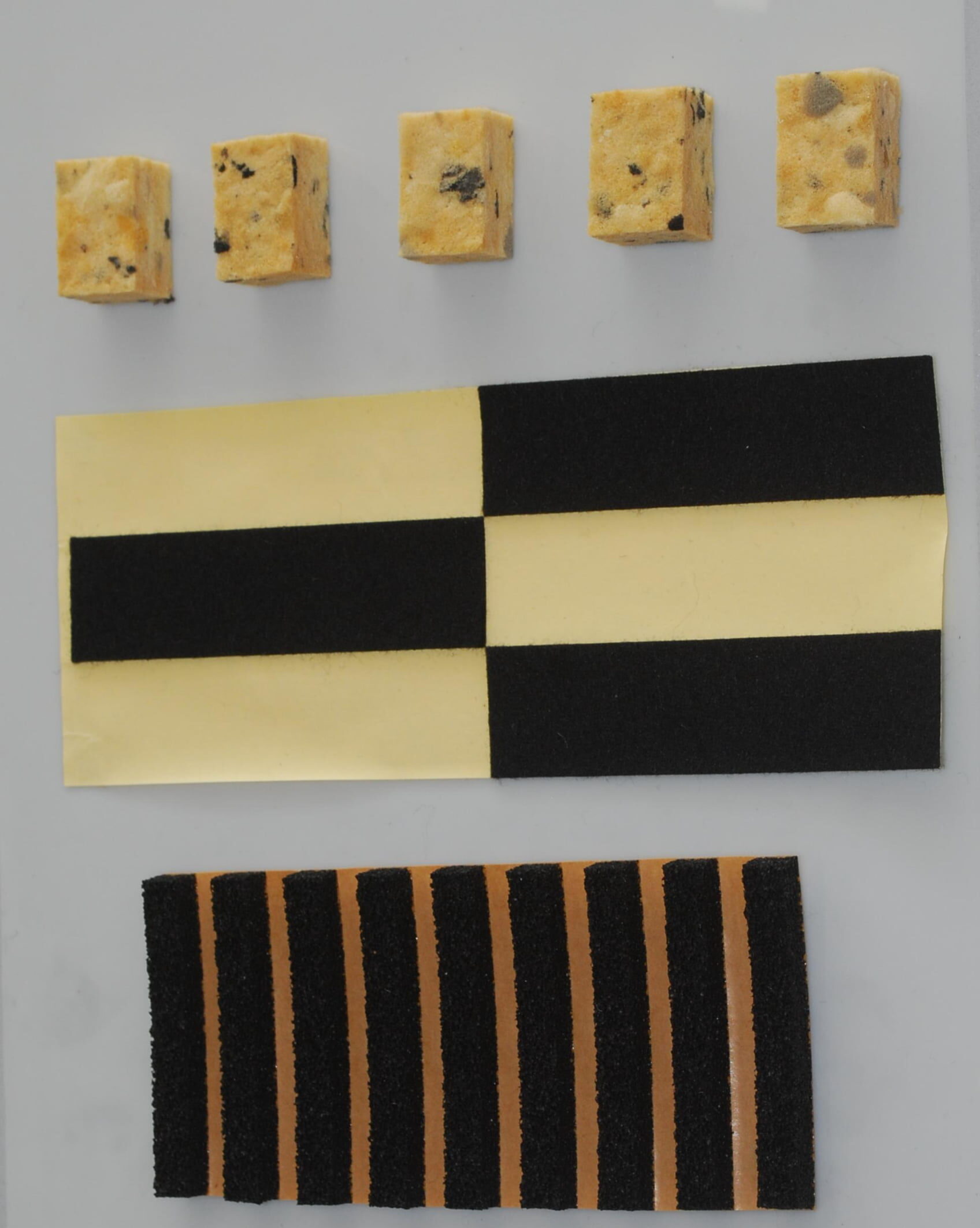
Many automotive foam parts use adhesive backing for installation.
Unfortunately, adhesive failure is one of the most underestimated risks in vehicle sealing systems.
Common issues include:
- Edge lifting
- Delamination
- Adhesive migration
- Heat degradation
- Humidity failure
A foam part may survive perfectly.
But if the adhesive system weakens, the entire sealing structure becomes unstable.
At Sanken, we carefully evaluate:
- Surface energy compatibility
- Bonding strength
- Long-term aging behavior
- Temperature cycling resistance
This helps customers avoid expensive quality claims later.
Why Precision Die Cutting Directly Affects Vehicle NVH
Automotive NVH performance depends heavily on dimensional accuracy.
Poor die cutting precision creates:
- Uneven compression
- Inconsistent sealing pressure
- Gap variation
- Air leakage pathways
At highway speed, even tiny airflow channels may generate noticeable cabin noise.
That is why advanced die cutting systems must control:
- Cutting tolerance
- Material compression
- Lamination alignment
- Edge cleanliness
At Sanken, our precision converting systems help customers achieve stable and repeatable sealing performance during large-scale automotive production.
Why One-Stop Manufacturing Creates Huge Advantages
Many OEM buyers struggle with managing multiple suppliers for:
- Foam materials
- Adhesive laminating
- Die cutting
- Injection molding
- Surface processing
This creates communication delays and quality inconsistency.
At Sanken, we integrate:
- Precision die cutting
- Foam converting
- Adhesive laminating
- Hot pressing
- Spraying and gluing
- Silk screen printing
- Injection molding
This integrated manufacturing capability helps customers simplify supply chain management while improving overall production consistency.
Why Automotive Customers Choose Sanken
Automotive manufacturers face enormous pressure today.
They need suppliers capable of supporting:
- Faster vehicle development cycles
- Stable quality performance
- Lower defect rates
- Lightweight solutions
- Better acoustic performance
- Reliable mass production
At Sanken, our systems operate under:
- IATF 16949
- ISO 9001
- ISO 14001
We support global automotive customers with engineered die-cut foam solutions designed for scalable OEM manufacturing environments.
What Separates Great Automotive Foam Suppliers?
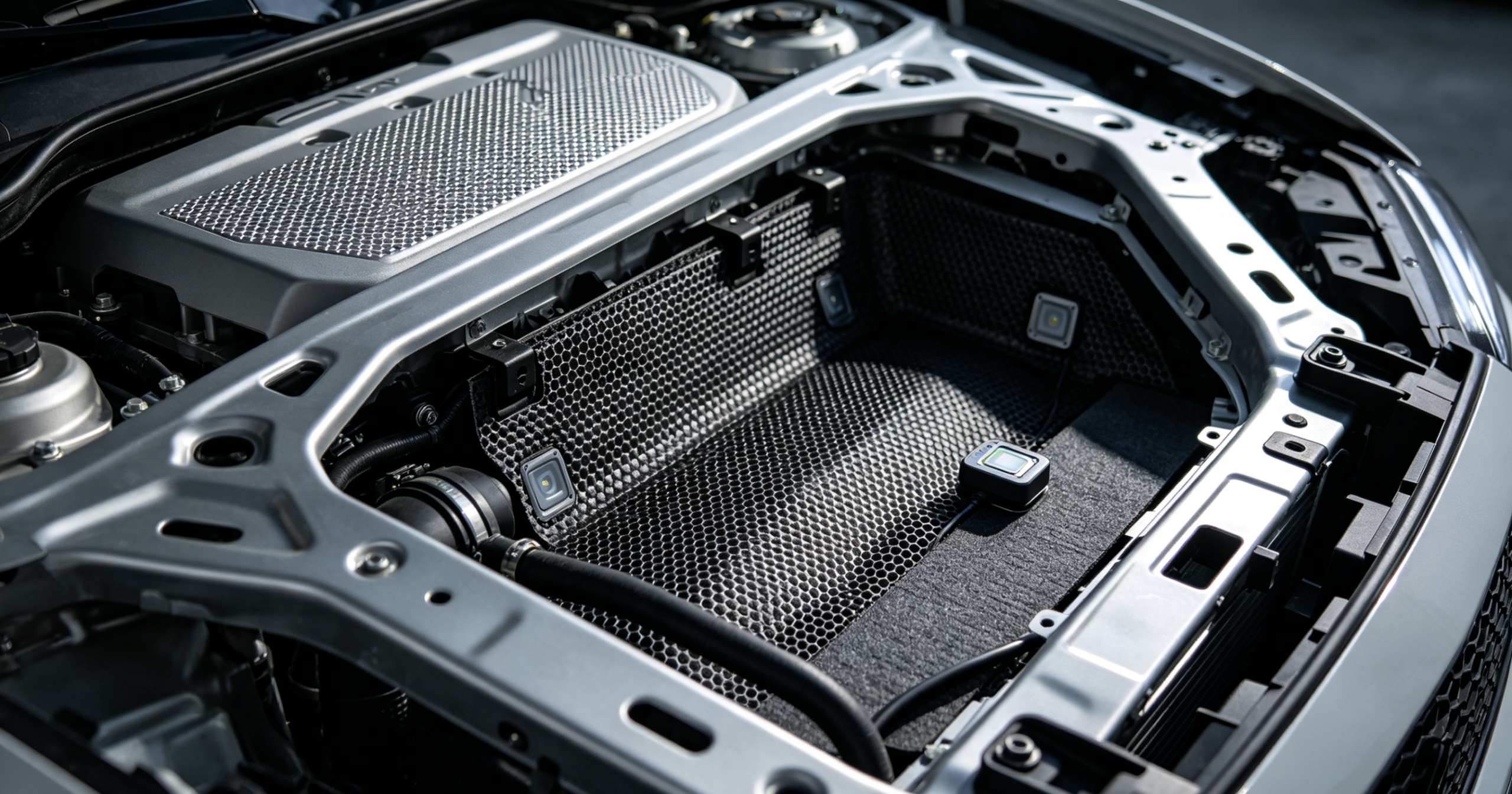
Many factories can produce foam parts.
Far fewer understand vehicle acoustic engineering.
The real difference comes from:
- Material expertise
- Compression control
- Adhesive engineering
- Process stability
- Long-term durability testing
- Automotive production experience
At Sanken, we focus on solving vehicle manufacturing challenges before they become expensive warranty problems.
That mindset helps our customers improve both product quality and customer satisfaction.
Conclusion
Automotive wind noise problems are often caused by sealing gaps, airflow instability, vibration resonance, and material inconsistency. Precision foam die-cut parts play a critical role in solving these issues. At Sanken, we combine advanced die cutting, material engineering, adhesive laminating, and automotive manufacturing expertise to help OEM customers achieve quieter cabins, more stable production, and long-term vehicle performance reliability.