
What Benefits Do Die-Cut Hood Insulators Bring? Why the Engine Bay Is Quietly Becoming an Engineering Battleground
Most people open a car hood and see metal, plastic, and a bit of wiring.
Engineers see something different.
They see heat, vibration, airborne noise, radiated sound, and thermal cycling—all fighting for control in a very tight space.
That is where die-cut hood insulators come in.
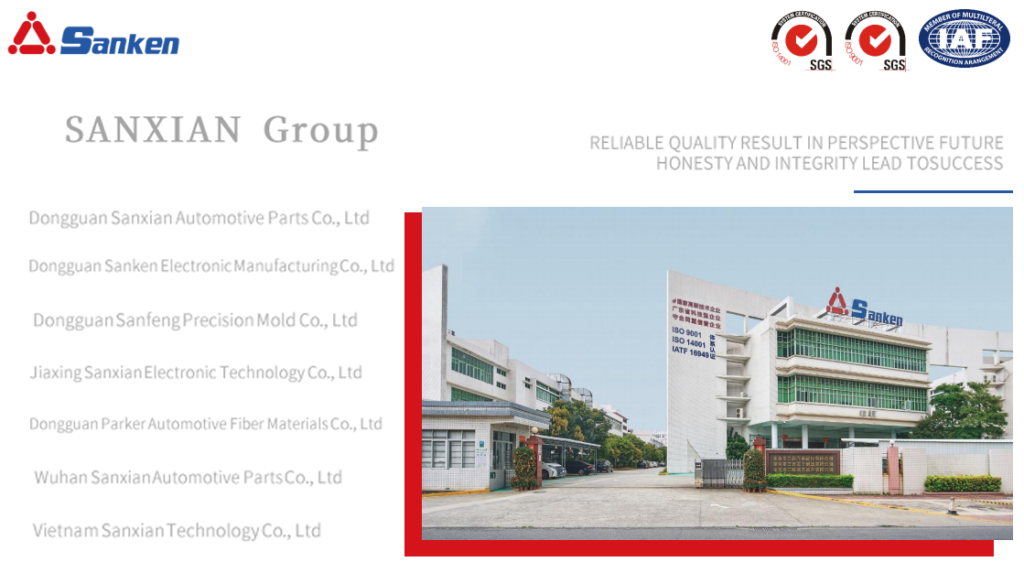
At Sanken (Dongguan Sanken Electronics Co., Ltd.), we often describe hood insulation as a “silent mediator” between the engine and the outside world. It does not move. It does not make noise. But it decides how much heat and sound escape upward into the cabin and surrounding environment.
And the impact is bigger than most people think.
What is a die-cut hood insulator?
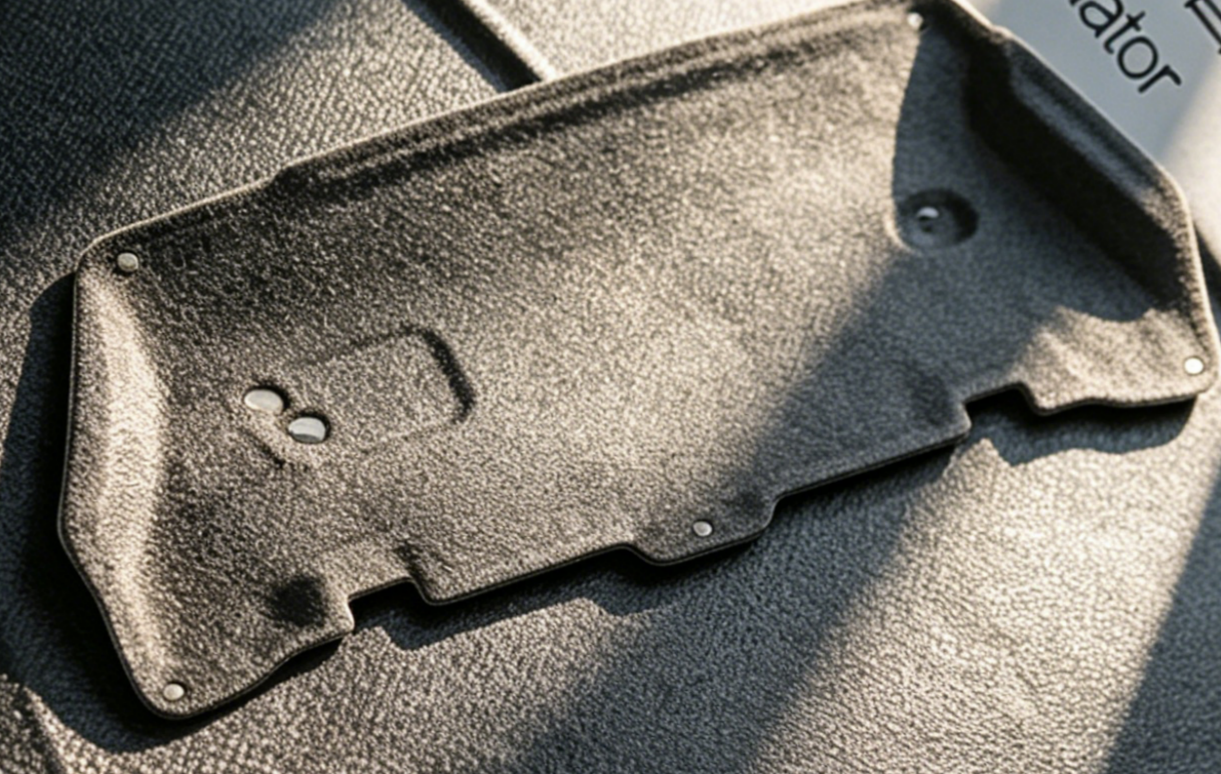
A die-cut hood insulator is a precisely shaped acoustic and thermal material installed on the inner side of a vehicle hood.
It is typically made from:
- non-woven acoustic felt
- fiberglass composite layers
- foam-based thermal barriers
- heat-resistant adhesive systems
- multi-layer laminated structures
The “die-cut” part means the material is cut into a precise geometry that fits the hood structure exactly—no gaps, no overlap issues, no installation stress.
It is not just a blanket.
It is a engineered protective layer.
Benefit 1: Significant engine noise reduction
One of the most important roles of hood insulators is reducing engine noise transmission.
The engine produces:
- combustion noise
- mechanical vibration
- intake and exhaust resonance
- high-frequency metallic sound
Without insulation, much of this noise radiates upward and reflects into:
- the cabin
- surrounding environment
- windshield area
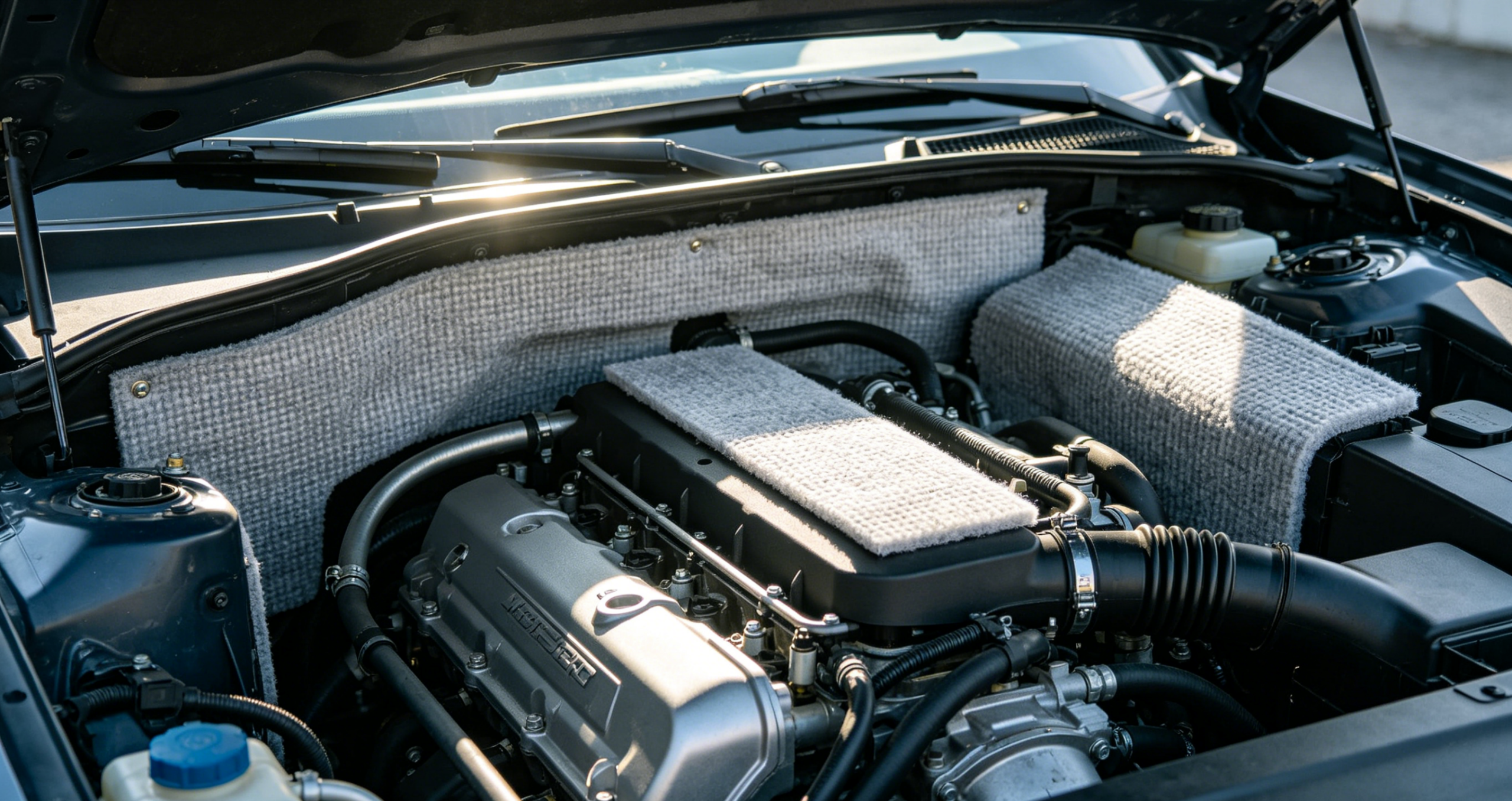
A properly designed die-cut hood insulator helps:
- absorb airborne noise
- damp vibration transmission
- reduce resonance reflection
The result is a quieter driving experience, especially at idle and low speed.
Benefit 2: Thermal protection for the hood surface
Engine compartments can reach extremely high temperatures.
Hood insulators help:
- reduce heat transfer to the outer hood panel
- protect paint and coating integrity
- stabilize thermal expansion behavior
- improve long-term surface durability
This is especially important in modern turbocharged engines and hybrid systems, where heat density is higher than older vehicles.
By controlling heat transfer, hood insulators help maintain both performance and appearance over time.
Benefit 3: Improved cabin comfort and perceived quality
Noise reduction is not just about decibels.
It is about perception.
When engine noise is reduced:
- the cabin feels more premium
- conversations are clearer
- long-distance driving feels less tiring
- vehicle quality perception increases
Even if the actual noise reduction is moderate, the psychological improvement is significant.
That is why hood insulators are widely used in:
- mid-range vehicles
- luxury cars
- hybrid and EV platforms
Because silence feels like quality.
Benefit 4: Protection of hood structure and paint
Heat is not just a performance issue—it is a surface durability issue.
Without insulation:
- hood paint may degrade faster
- clear coat can age prematurely
- thermal stress may cause deformation over time
A die-cut hood insulator acts as a thermal buffer layer, stabilizing temperature exposure and protecting the outer panel from long-term damage.
This improves vehicle appearance retention and resale value.
Why die-cutting matters in hood insulators
Many people underestimate this point.
A hood insulator must match:
- hood curvature
- mounting points
- airflow channels
- engine layout constraints
If cutting accuracy is poor:
- gaps appear
- vibration increases
- airflow becomes unstable
- insulation efficiency drops
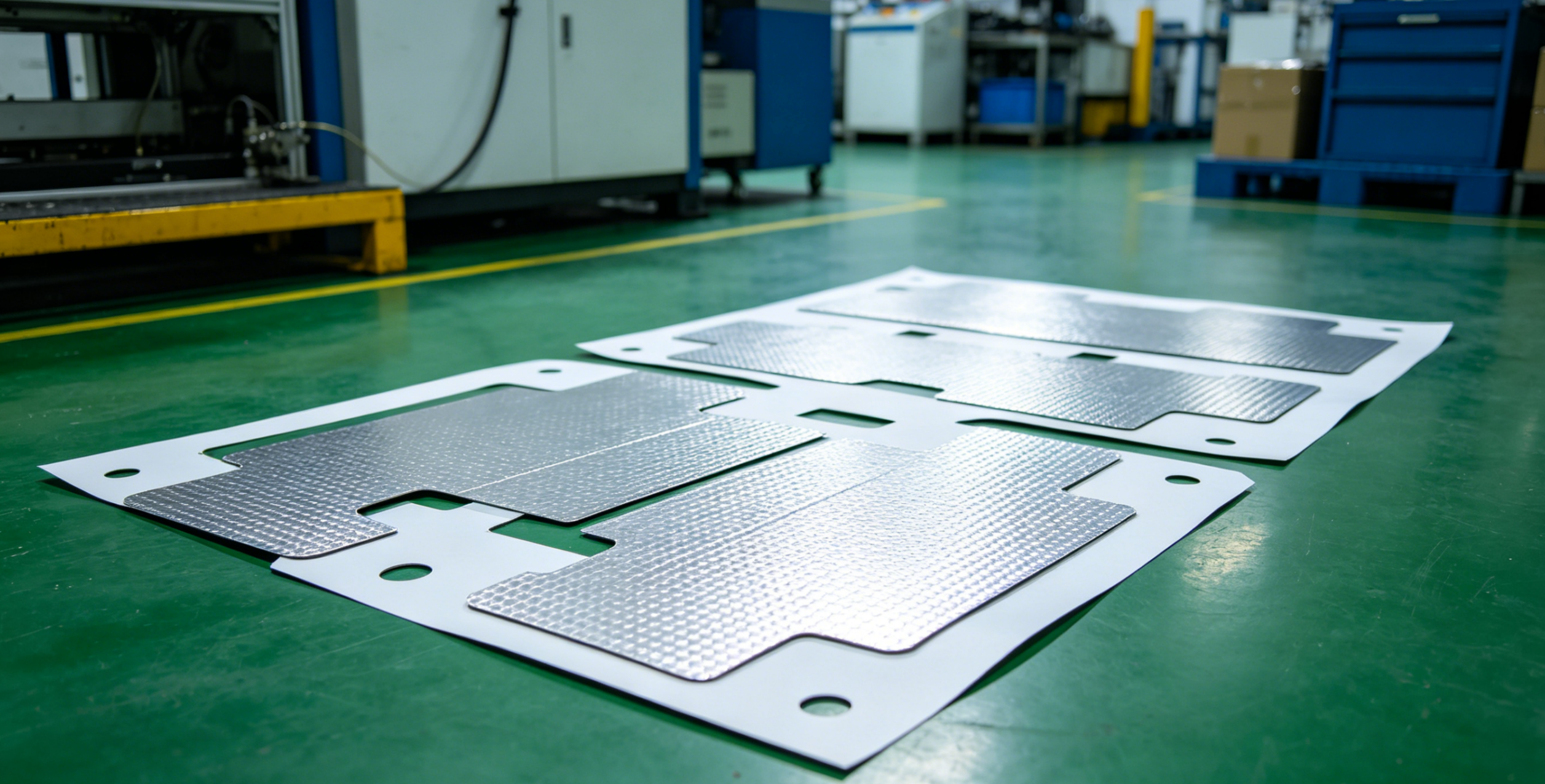
Precision die-cutting ensures:
- perfect fit
- stable installation
- consistent performance across production batches
This is where manufacturing quality directly affects vehicle comfort.
What materials are commonly used in hood insulators?
Different vehicle platforms require different material strategies.
Common materials include:
- non-woven acoustic felt (lightweight sound absorption)
- fiberglass composites (high heat resistance)
- foam laminates (vibration damping + insulation)
- aluminum foil layers (heat reflection)
- adhesive-backed composites (fast assembly integration)
At Sanken, we often combine multiple layers to balance:
- acoustic performance
- thermal resistance
- weight control
- durability
Are hood insulators more important in modern vehicles?
Yes—especially in:
- hybrid vehicles (dual power heat sources)
- turbocharged engines (higher thermal load)
- EVs (where remaining noise becomes more noticeable)
As vehicles become quieter overall, even small engine noise becomes more visible to passengers.
That makes hood insulation a critical part of perceived quality control.
How Sanken supports hood insulation solutions
At Sanken, we approach hood insulators as engineered systems, not just cut materials.
Our capabilities include:
- precision die-cutting for complex hood geometries
- multi-layer lamination of acoustic and thermal materials
- adhesive integration for stable long-term mounting
- material conversion for heat-resistant applications
- automotive-grade process consistency control
We focus on ensuring:
- stable fit
- long-term durability
- consistent acoustic performance
- reliable thermal protection
Because in automotive manufacturing, performance is not defined at installation—it is proven over time.
Conclusion
Die-cut hood insulators provide multiple benefits beyond simple noise reduction.
They improve:
- acoustic comfort
- thermal management
- surface protection
- perceived vehicle quality
In modern automotive design, they are not optional accessories—they are functional engineering components.
At Sanken, we design and convert hood insulation systems that perform reliably across real-world driving conditions, ensuring quieter, safer, and more durable vehicles.