

What Type of Material Is Foam? Why This “Simple Material” Is Actually a Critical Engineering System
In many industrial projects, foam is treated as something basic.
Light. Soft. Cheap. Easy to replace.
But in real production environments—especially automotive, electronics, and precision assembly—foam is never “just foam.”
At Sanken, we often see the same situation: engineers specify foam as a minor component, then later realize it is directly linked to noise issues, assembly failure, or long-term deformation problems.
So the real question is not just what foam is.
It is:
What type of material is foam, and why does it control so many performance outcomes in real applications?
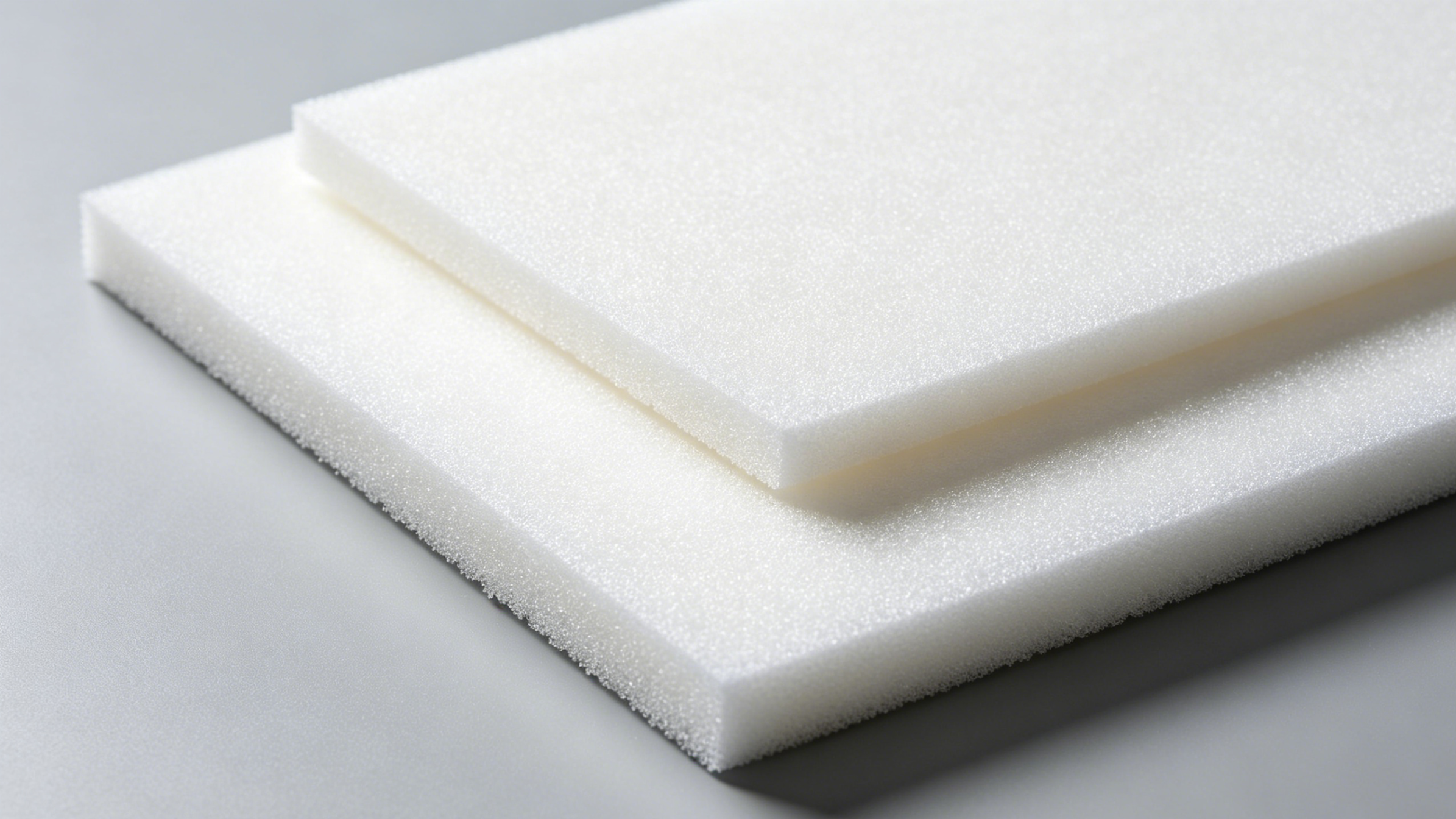
When engineers say “foam,” they are not talking about one material
Foam is not a single material.
It is a structural material system formed by gas-filled cells inside a solid matrix.
In simple terms:
- Solid polymer forms the skeleton
- Gas creates internal voids
- The structure becomes lightweight and compressible
That structure is what gives foam its unique behavior:
- soft compression
- energy absorption
- vibration damping
- thermal resistance
- acoustic control
So foam is not defined by chemistry alone.
It is defined by how its internal structure is engineered.
Foam is rarely a standalone component.
It usually works as part of a system:
- foam + adhesive (bonding + positioning)
- foam + plastic (structural cushioning)
- foam + metal (vibration isolation)
- foam + film layers (thermal + acoustic control)
This means foam is not just a material.
It is a functional interface layer between different systems.
When this interface fails, the entire product performance becomes unstable:
- noise increases
- vibration appears
- sealing weakens
- assembly tolerances drift
Why foam selection directly impacts manufacturing success
In mass production, foam is not evaluated by appearance.
It is evaluated by behavior under real conditions:
- compression after assembly
- temperature cycling stability
- vibration fatigue resistance
- adhesive retention performance
- dimensional consistency across batches
A small deviation in foam behavior can create:
- assembly line rework
- inconsistent product feel
- long-term warranty issues
That is why OEMs treat foam not as a material choice—but as a risk-controlled engineering decision.
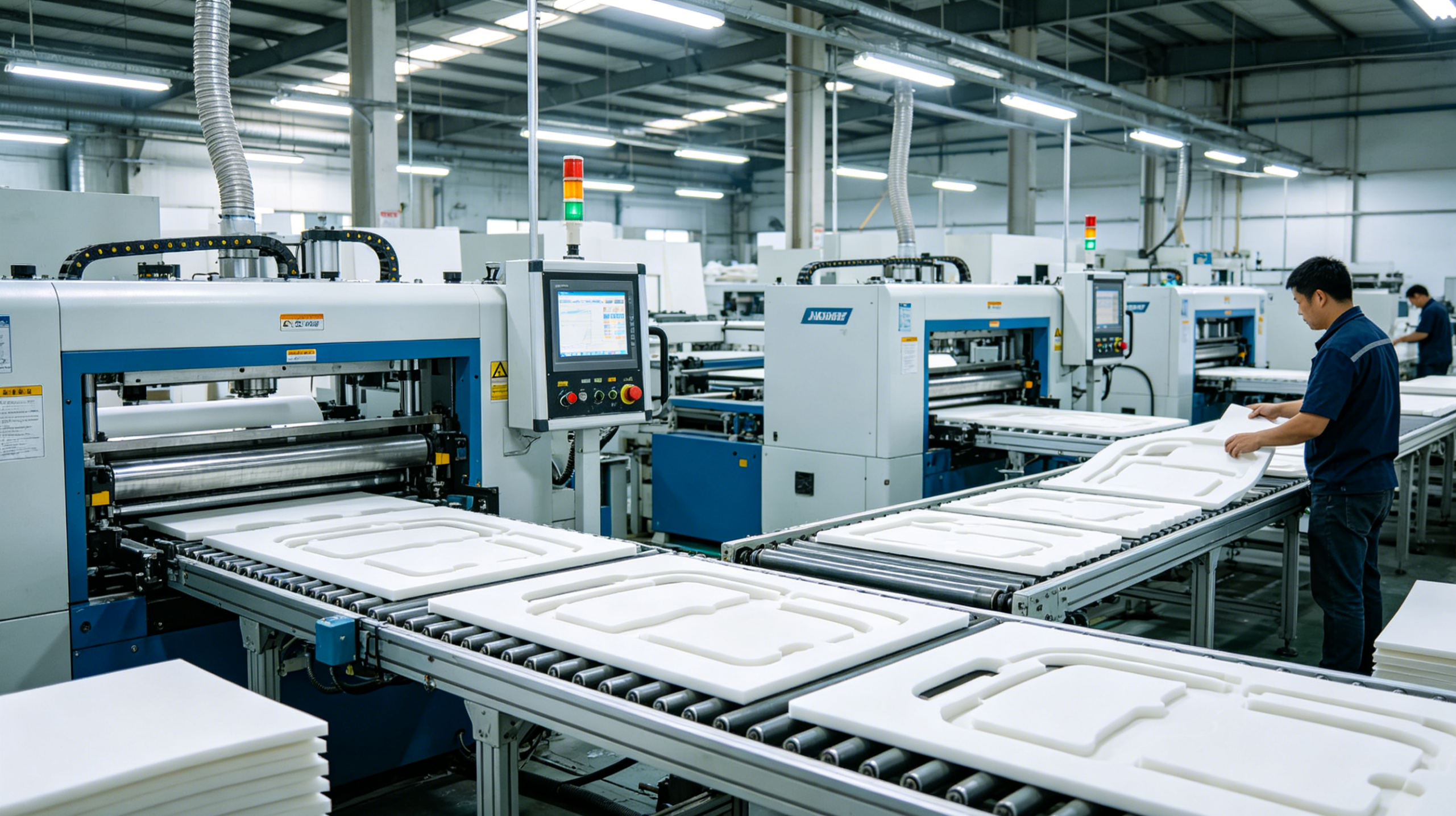
How foam is transformed into functional components
Raw foam is rarely used directly in products.
It must be converted into functional shapes through processes such as:
- precision die cutting
- lamination with adhesive layers
- multi-layer composite forming
- CNC-assisted shaping for complex geometries
- hot pressing for structural stability
At this stage, foam becomes part of a designed component system, not just raw material.
At Sanken, this conversion stage is critical because it determines:
- dimensional accuracy
- edge quality
- assembly fit
- long-term stability
Even high-quality foam can fail if converted improperly.
Why foam is essential in modern automotive and electronics design
Modern products are becoming:
- quieter
- lighter
- more compact
- more sensitive to vibration and noise
This increases the importance of foam in:
Automotive applications
- NVH (noise, vibration, harshness) control
- door panel damping
- dashboard insulation
- battery system isolation
- sealing and anti-rattle structures
Electronics applications
- shock protection
- internal spacing control
- thermal buffering
- vibration isolation
Foam is often invisible—but it directly affects user experience.
The real challenge: foam aging and performance stability
Foam does not fail suddenly.
It changes gradually due to:
- compression fatigue
- thermal exposure
- humidity absorption
- structural cell degradation
Over time, this can lead to:
- reduced elasticity
- dimensional shrinkage
- acoustic performance loss
- bonding instability
This is why long-term material validation is as important as initial selection.
How Sanken approaches foam as an engineering material
At Sanken, foam is not treated as a commodity.
It is treated as a functional engineered layer inside a system.
Our approach focuses on:
- selecting foam based on application stress conditions
- integrating foam with adhesive and composite layers
- precision die cutting for stable assembly fit
- controlling batch-to-batch consistency
- ensuring long-term structural and acoustic stability
We do not just supply foam components.
We design foam-based functional solutions that work in real manufacturing environments.
Conclusion
Foam is not a simple material.
It is a structured engineering system designed to control energy—whether that energy is sound, vibration, heat, or mechanical impact.
Its value is not in what it looks like, but in how it behaves over time inside real products.
At Sanken, we focus on turning foam from a basic material into a reliable functional component that supports long-term performance in automotive, electronics, and industrial applications.