
What Is a Die Cut Label?
Labels play a critical role in product branding, identification, and packaging. However, standard rectangular labels often struggle to stand out on crowded shelves. Businesses looking to create a more professional and distinctive appearance frequently choose die cut labels because they can be manufactured in virtually any shape, size, or design.
A die cut label is a custom-shaped label that is cut using a specialized die tool rather than being trimmed into a standard square or rectangle. The cutting process follows the exact outline of the artwork, allowing brands to create unique label shapes that improve product presentation, brand recognition, and customer engagement.
From consumer electronics and automotive products to food packaging and medical devices, die cut labels are widely used across industries that require both functionality and visual appeal.
Why Are Die Cut Labels Popular?
A product label is often the first thing customers notice. A unique shape can immediately differentiate a product from competitors.
Benefits of die cut labels include:
- Custom shapes and sizes
- Enhanced brand recognition
- Professional appearance
- Better shelf impact
- Improved packaging aesthetics
- Greater design flexibility
Unlike standard labels, die cut labels allow manufacturers to match the label shape to the product itself.
Theme: Precision Die Cut Labels
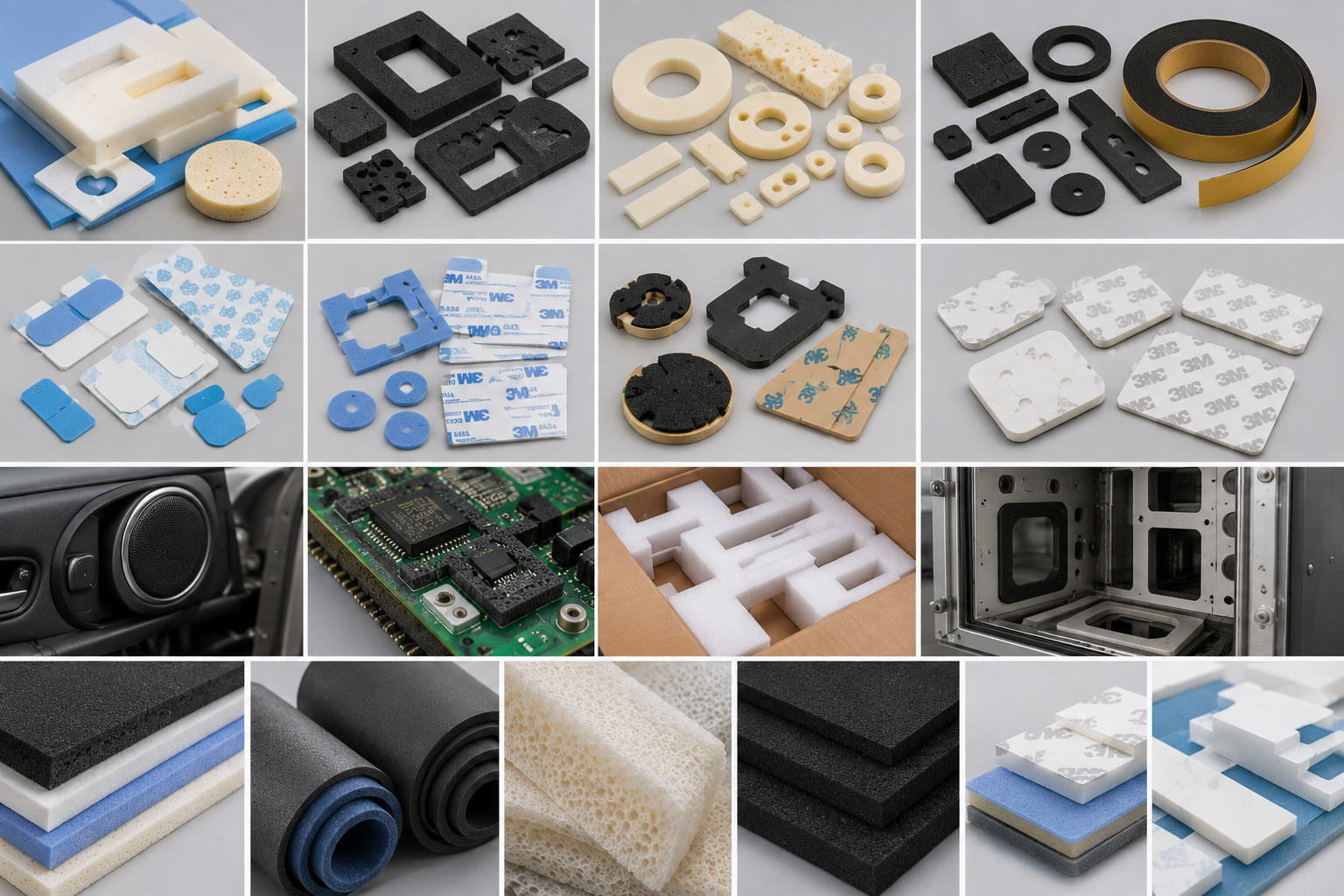
What Does "Die Cut" Mean?
The term "die cut" refers to a manufacturing process that uses a custom-made cutting tool called a die.
The die is designed according to a specific shape and then used to cut material precisely and repeatedly.
For labels, this means the cutting tool follows the exact contour of the design, creating labels with custom outlines rather than simple straight edges.
Examples include:
- Circular labels
- Oval labels
- Custom logo shapes
- Product-specific contours
- Decorative packaging labels
The result is a highly customized finished product.
How Are Die Cut Labels Made?
The manufacturing process typically includes several steps.
1. Artwork Preparation
The label design is created with both:
- Print artwork
- Cutting outline
The cutting outline determines the final shape of the label.
2. Material Selection
Common label materials include:
- Paper
- PET film
- PP film
- Vinyl
- Synthetic films
- Specialty materials
Material selection depends on durability, appearance, and environmental requirements.
3. Printing
The design is printed onto the selected label material using:
- Digital printing
- Flexographic printing
- Offset printing
- Screen printing
The printing process must align precisely with the future cut line.
4. Die Cutting
A custom die cuts the labels according to the design.
The process may use:
- Rotary die cutting
- Flatbed die cutting
- Digital cutting
The finished labels are then prepared for application.
Die Cut Labels vs Kiss Cut Labels
Many buyers confuse die cut labels with kiss cut labels.
Although both use die cutting technology, they serve different purposes.
| Feature | Die Cut Label | Kiss Cut Label |
|---|---|---|
| Cut Method | Cuts through label and backing | Cuts label only |
| Final Shape | Individual label | Label remains on backing sheet |
| Application | Retail packaging | Sticker sheets |
| Appearance | Finished standalone label | Multiple labels on one sheet |
Die cut labels are typically supplied as individual pieces, while kiss cut labels remain attached to a liner.
Common Materials Used for Die Cut Labels
The choice of material affects durability and performance.
Paper Labels
Advantages:
- Economical
- Easy to print
- Suitable for indoor use
Applications:
- Packaging
- Promotional products
- Retail products
PET Labels
Advantages:
- Water-resistant
- Tear-resistant
- Durable
Applications:
- Electronics
- Industrial equipment
- Automotive products
Vinyl Labels
Advantages:
- Flexible
- Weather resistant
- Long service life
Applications:
- Outdoor products
- Equipment identification
- Vehicle graphics
Theme: Custom Die Cut Label Production
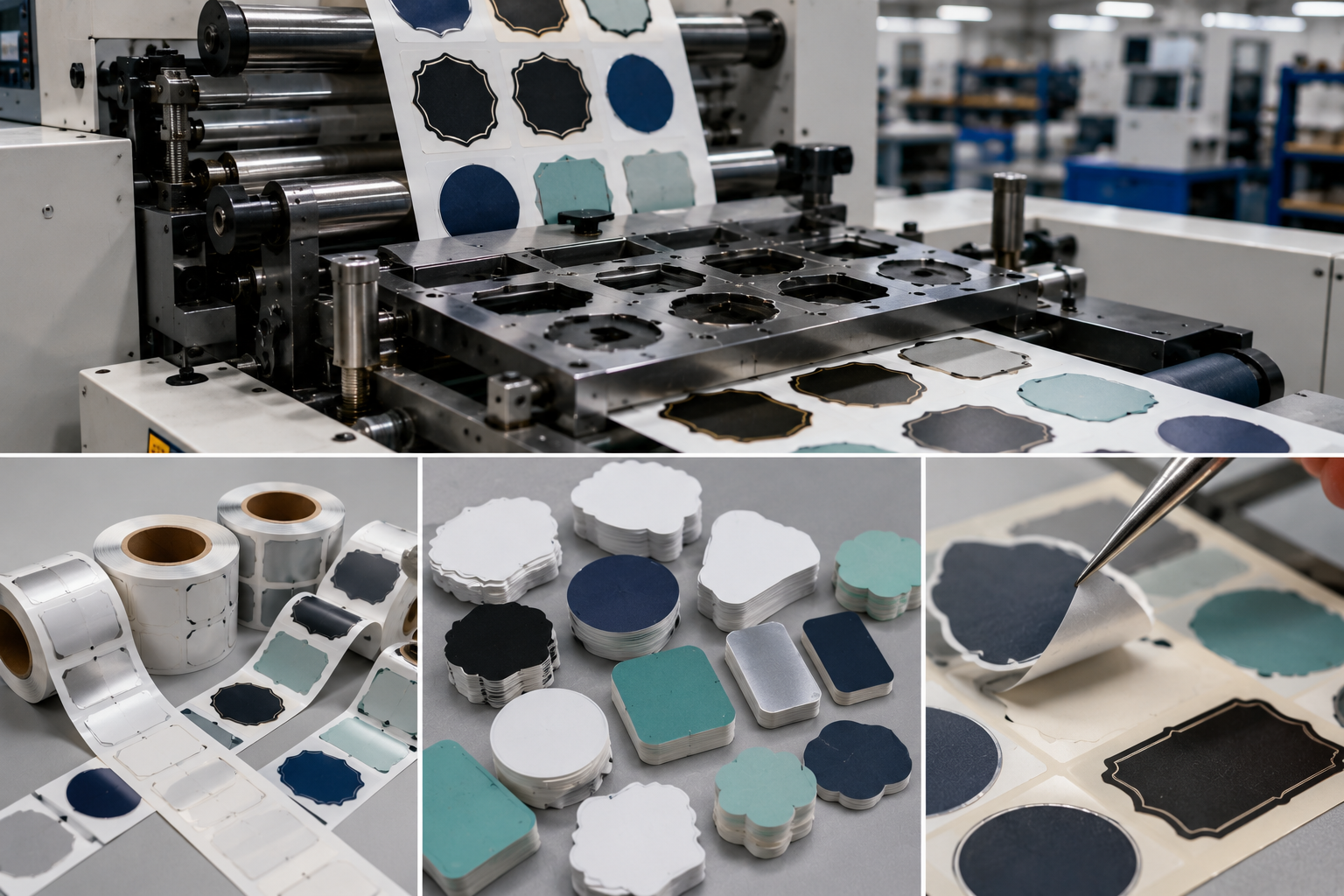
Applications of Die Cut Labels
Die cut labels are widely used in:
Consumer Electronics
- Product branding
- Identification labels
- Protective film labels
Automotive Industry
- Component identification
- Warning labels
- Brand markings
Medical Devices
- Product tracking
- Compliance labels
- Device identification
Industrial Equipment
- Asset labels
- Safety markings
- Equipment branding
Retail Packaging
- Product labels
- Promotional stickers
- Custom packaging graphics
Why Precision Die Cutting Matters
Poorly cut labels can create several problems:
- Misalignment
- Rough edges
- Peeling issues
- Application difficulties
- Inconsistent appearance
Precision die cutting ensures:
- Accurate shape reproduction
- Clean edges
- Consistent quality
- Faster application
For high-volume production, precision is essential.
Why OEM Companies Work with Sanken Manufacturing
Dongguan Sanken Electronics Manufacturing Co., Ltd. specializes in precision die cutting and custom material converting for OEM manufacturers worldwide.
Core Capabilities
- Precision die cutting
- PET film converting
- TPU component manufacturing
- Foam gasket production
- Adhesive assembly
- Custom label converting
- Injection molding
- Rubber sealing products
Key Advantages
- OEM and ODM customization
- ISO 9001 certified quality management
- RoHS and REACH compliant materials
- Domestic and overseas production bases
- Cleanroom precision production
- Tooling development from drawings or samples
In addition to die cut labels, Sanken manufactures automotive NVH insulation components, consumer electronics die-cut materials, and custom rubber sealing solutions.
Theme: OEM Precision Converting Solutions
Featured Snippet Summary
A die cut label is a custom-shaped label produced using a specialized cutting tool called a die. Unlike standard rectangular labels, die cut labels follow the exact contour of a design, allowing unique shapes that enhance branding, product appearance, and customer recognition.
Conclusion
Die cut labels provide manufacturers and brands with greater design flexibility, improved visual impact, and professional product presentation. By using precision die cutting technology, companies can create custom-shaped labels that match product designs and strengthen brand identity.
For OEM manufacturers seeking custom die cut labels, precision converting, and material processing solutions, working with an experienced supplier such as Dongguan Sanken Electronics Manufacturing Co., Ltd. helps ensure consistent quality, efficient production, and reliable long-term performance.