
What Is a Die Cut Sticker?
Many brands spend money on stickers that peel badly, look cheap, or fail to match their product identity. I’ve seen companies order thousands of stickers, only to realize the cut lines are rough, the adhesive is weak, or the shape does not align properly with the artwork ([placeholder link]).
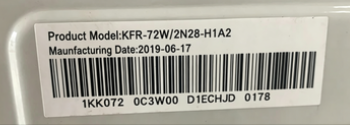
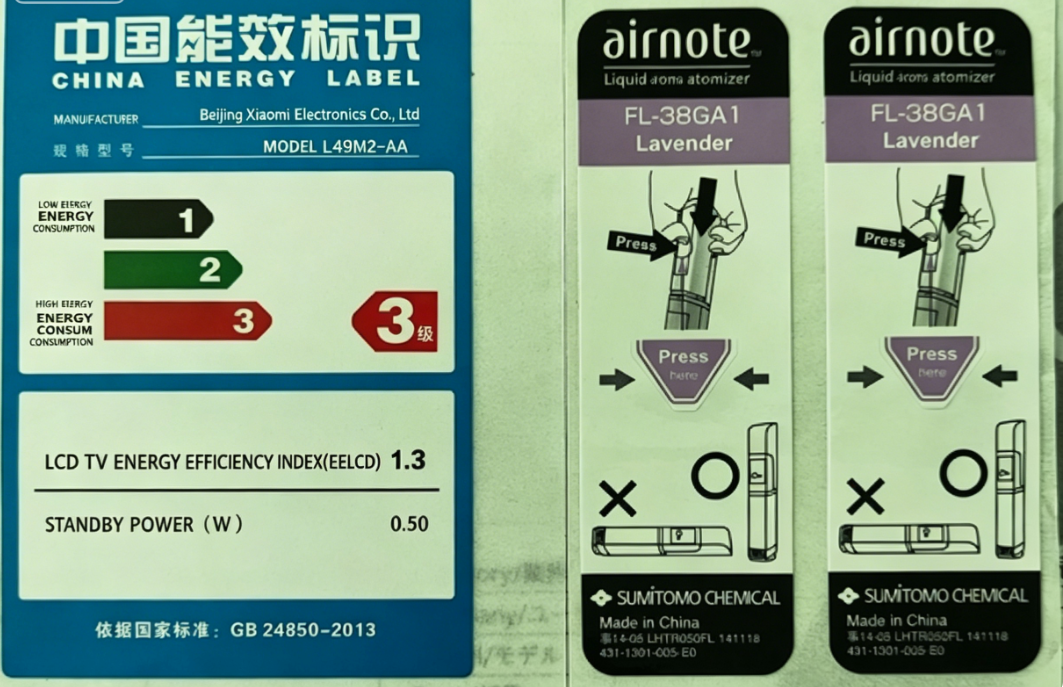
A die cut sticker is a custom-shaped sticker precisely cut around the design using a die cutting process. Unlike standard square or circle stickers, die cut stickers follow the exact contour of the artwork, logo, or graphic. This creates a cleaner, more professional appearance and improves brand visibility in packaging, electronics, automotive labels, promotional products, and industrial applications ([placeholder link]).
Small details matter. A poorly cut sticker immediately makes a product look low-end. A precise die cut sticker makes the brand look professional and reliable.
How Does a Die Cut Sticker Work?
The process starts with printed material such as vinyl, PET film, paper, or specialty adhesive materials.
We then use precision die cutting tools to cut the material into the exact shape required.
At Sanken, we often combine:
- Precision die cutting
- Laminating
- Adhesive bonding
- Kiss cutting
- Multi-layer material conversion
This ensures every sticker maintains tight tolerances and clean edges.
Why Do Companies Choose Die Cut Stickers?
1. Better Brand Presentation
A custom-shaped sticker looks significantly more premium than a standard shape.
This is especially important for:
- Electronics
- Automotive branding
- Medical labels
- Consumer products
- Industrial equipment
A precise outline makes logos more recognizable and visually appealing ([placeholder link]).
2. Improved Application Accuracy
Many industrial stickers are not only decorative.
They may function as:
- Warning labels
- Insulation layers
- Protective films
- Conductive components
- Sealing materials
If the die cutting accuracy is poor, installation becomes difficult.
3. Faster Production Efficiency
High-speed die cutting allows large-volume production with consistent dimensions.
This reduces:
- Material waste
- Manual trimming
- Assembly delays
- Installation errors
At Sanken, we optimize material layouts to improve yield and lower production costs for OEM customers.
What Materials Can Be Used for Die Cut Stickers?
We regularly process materials such as:
| Material | Common Applications |
|---|---|
| Vinyl | Outdoor labels and branding |
| PET Film | Electronics and insulation |
| Foam Tape | Cushioning and sealing |
| Double-Sided Adhesive | Mounting and bonding |
| Reflective Film | Safety labels |
| Non-Woven Materials | Industrial insulation |
Because we also specialize in material conversion, we help customers select the correct adhesive and substrate combination before mass production begins ([placeholder link]).
What Problems Do Poor Die Cut Stickers Cause?
This is where many suppliers fail.
We often see:
- Rough edges
- Adhesive overflow
- Misaligned cuts
- Poor lamination
- Air bubbles
- Dimensional inconsistency
These issues create assembly problems and damage product appearance.
For OEM manufacturers, this can delay shipments and increase rejection rates.
That is why precision matters.
Why OEM Customers Work With Sanken
At Sanken, we are not just a sticker supplier.
We are a precision die cutting and material conversion manufacturer.
That means we control:
- Material selection
- Adhesive performance
- Cutting tolerances
- Lamination quality
- Multi-process integration
- Final inspection
Our facilities support:
- Precision die cutting
- Hot pressing
- Spraying and gluing
- Silk screen printing
- Injection molding
- One-stop multi-process manufacturing
We also maintain strict quality systems under:
- IATF 16949
- ISO 9001
- ISO 14001
This allows us to deliver stable quality across large-volume OEM production projects ([placeholder link]).
How to Choose the Right Die Cut Sticker Supplier?
Before choosing a supplier, I always recommend checking:
- Can they maintain tight tolerances consistently?
- Do they understand adhesive compatibility?
- Can they support material development?
- Do they provide prototyping and verification?
- Can they handle multi-layer material assemblies?
Many suppliers can cut shapes.
Very few can solve manufacturing problems before they happen.
That difference becomes extremely important in automotive, electronics, and medical applications.
Conclusion
A die cut sticker is more than a custom-shaped label. It is a precision-engineered component that affects branding, assembly efficiency, and product quality. At Sanken, we help OEM customers achieve cleaner cuts, better adhesion, and more reliable production through advanced die cutting and material conversion expertise.