
What Is PUF Insulation?
Energy loss, heat transfer, and temperature fluctuations are major challenges in buildings, refrigeration systems, industrial equipment, and transportation. Without effective insulation, businesses face higher energy costs, reduced efficiency, and shorter equipment lifespans.
PUF insulation, or Polyurethane Foam insulation, is a high-performance thermal insulation material made from polyurethane foam. It consists of millions of closed cells filled with insulating gas, making it one of the most effective lightweight insulation materials available. PUF insulation is widely used in construction, cold storage, HVAC systems, appliances, automotive applications, and industrial equipment because of its excellent thermal resistance, low weight, and durability.
Due to its superior insulation properties, PUF is often considered one of the most efficient commercially available insulation materials.
Why Is PUF Insulation Popular?
PUF insulation offers a combination of:
- Excellent thermal insulation
- Lightweight structure
- Moisture resistance
- Structural strength
- Long service life
- Energy efficiency
These characteristics make it suitable for applications where space-saving insulation and high thermal performance are required.
Theme: Polyurethane Foam Insulation Materials
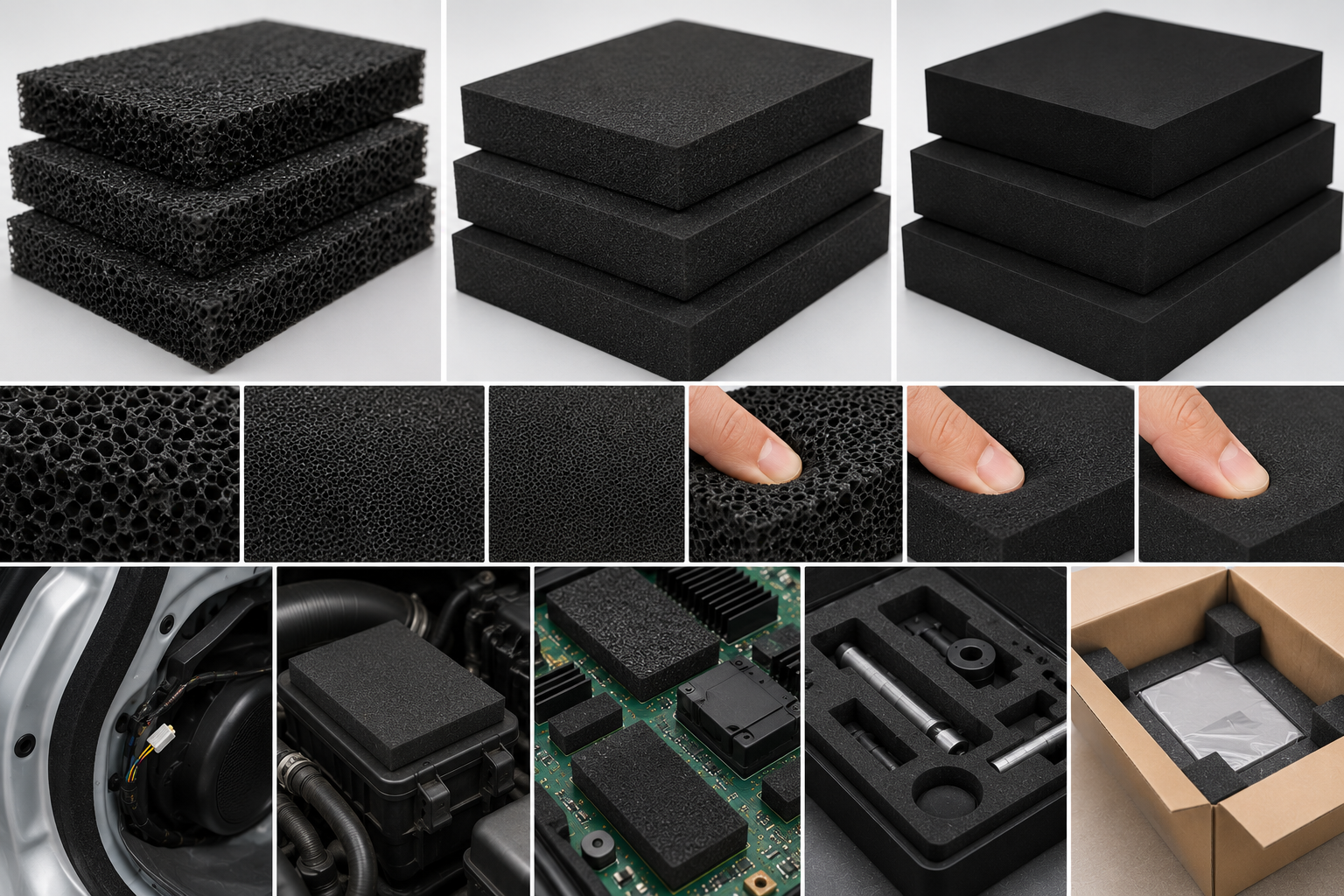
What Does PUF Stand For?
PUF stands for Polyurethane Foam.
It is produced through a chemical reaction between:
- Polyols
- Isocyanates
- Blowing agents
- Catalysts
During manufacturing, the material expands and forms a cellular structure filled with tiny closed cells that trap insulating gases.
This structure significantly reduces heat transfer.
How Does PUF Insulation Work?
PUF insulation works by limiting all three forms of heat transfer:
Conduction
The foam's cellular structure reduces direct heat flow through the material.
Convection
The closed cells trap air and prevent air circulation within the insulation.
Radiation
Some PUF systems include reflective facings that further reduce radiant heat transfer.
As a result, PUF provides excellent thermal performance even at relatively thin thicknesses.
Types of PUF Insulation
Rigid Polyurethane Foam
Rigid PUF is the most common insulation type.
Characteristics:
- High thermal resistance
- Excellent dimensional stability
- Strong structural support
Applications:
- Cold storage panels
- Building insulation
- Refrigeration equipment
- Industrial insulation systems
Spray Polyurethane Foam (SPF)
Spray foam is applied directly to surfaces.
Advantages:
- Seamless coverage
- Excellent air sealing
- Reduced thermal bridging
Applications:
- Building insulation
- Roofing systems
- HVAC installations
Flexible Polyurethane Foam
Flexible PUF is often used where cushioning and vibration control are required.
Applications:
- Automotive interiors
- Seating systems
- Acoustic insulation
Advantages of PUF Insulation
Outstanding Thermal Performance
PUF offers one of the lowest thermal conductivity values among commonly used insulation materials.
This means:
- Better energy efficiency
- Reduced heating and cooling costs
- Improved temperature control
Lightweight
PUF provides high insulation performance without adding significant weight.
This is particularly important for:
- Transportation
- Automotive applications
- Portable equipment
Moisture Resistance
Closed-cell polyurethane foam absorbs very little moisture.
Benefits include:
- Reduced condensation
- Improved durability
- Stable thermal performance
Long Service Life
When properly installed, PUF insulation can maintain performance for decades with minimal degradation.
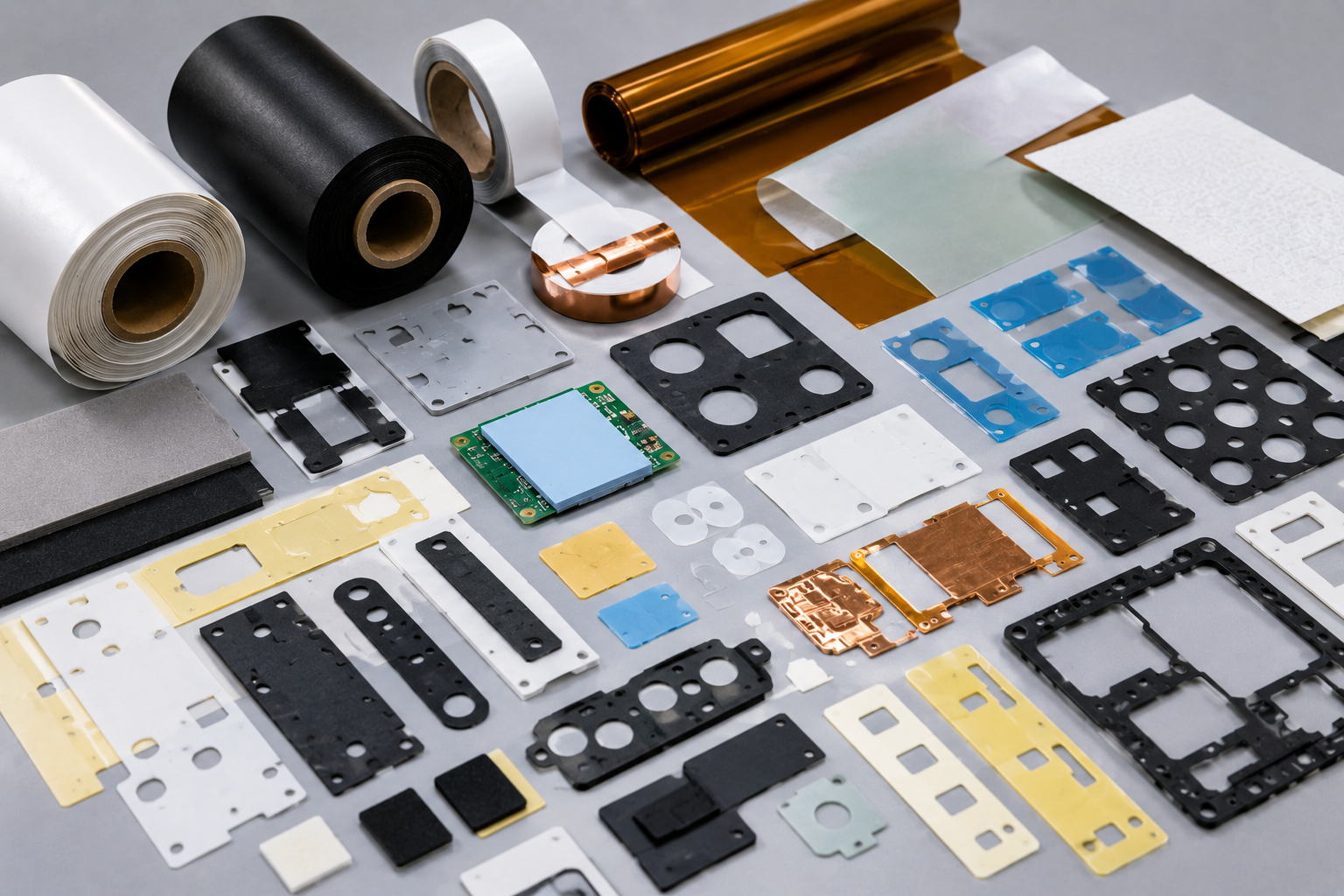
Theme: Precision Thermal Insulation Components
Applications of PUF Insulation
Construction Industry
Used in:
- Walls
- Roofs
- Floors
- Sandwich panels
PUF helps improve building energy efficiency.
Cold Storage and Refrigeration
Common applications include:
- Cold rooms
- Refrigerated warehouses
- Refrigerated trucks
- Freezers
The material's low thermal conductivity makes it ideal for temperature-controlled environments.
Automotive Industry
PUF insulation is used in:
- NVH insulation systems
- Acoustic barriers
- Thermal management components
It helps improve passenger comfort and vehicle efficiency.
Consumer Electronics
PUF can be converted into precision components for:
- Thermal management
- Cushioning
- Protective assemblies
When combined with precision die-cut materials, it helps protect sensitive electronic devices.
PUF vs Other Insulation Materials
| Material | Thermal Performance | Weight | Moisture Resistance |
|---|---|---|---|
| PUF | Excellent | Lightweight | Excellent |
| Fiberglass | Good | Lightweight | Moderate |
| Mineral Wool | Good | Heavier | Good |
| EPS Foam | Moderate | Lightweight | Good |
| Aerogel | Outstanding | Ultra-Lightweight | Excellent |
PUF often provides the best balance between performance, cost, and manufacturability.
How Sanken Manufacturing Supports Insulation Applications
Dongguan Sanken Electronics Manufacturing Co., Ltd. provides custom insulation solutions for OEM manufacturers worldwide.
Our capabilities include:
- Precision die cutting
- Foam converting
- Non-woven material processing
- Adhesive laminating
- Thermal insulation assemblies
- Rubber sealing products
Key Advantages
- OEM and ODM customization
- ISO 9001 certified quality management
- RoHS and REACH compliant materials
- Domestic and overseas production bases
- Cleanroom precision manufacturing
- Tool development from drawings or samples
We support automotive NVH insulation, consumer electronics thermal management, and custom sealing applications.
Theme: Custom OEM Insulation Solutions
Featured Snippet Summary
PUF insulation stands for Polyurethane Foam insulation. It is a lightweight, closed-cell insulation material that provides excellent thermal resistance, moisture resistance, and energy efficiency. PUF is widely used in buildings, refrigeration systems, automotive applications, and industrial equipment.
Conclusion
PUF insulation is one of the most effective thermal insulation materials available today. Its lightweight structure, excellent thermal performance, and moisture resistance make it suitable for a wide range of applications, from construction and refrigeration to automotive and electronics manufacturing.
For OEM applications, combining PUF materials with precision die cutting and converting processes can create customized insulation solutions that improve product performance, reliability, and energy efficiency.