
What is the difference between tape and adhesive film?
In my daily conversations with OEM engineers, this question comes up more often than you might expect.
“Is tape the same as adhesive film?” they ask.
On the surface, it sounds simple.
In reality, this small misunderstanding often leads to bigger problems in production—like peeling, misalignment, rework, or even full assembly failure.
At Sanken (Dongguan Sanken Electronics Co., Ltd.), we see this gap between expectation and material behavior almost every week.
Tape and adhesive film are both pressure-sensitive adhesive (PSA) materials, but they are designed for very different engineering purposes. Tape is typically a ready-to-use bonding or sealing material with a carrier layer, optimized for quick application and general assembly. Adhesive film, on the other hand, is a more engineered material system designed for precision bonding, lamination, and functional integration in multilayer structures. The difference is not just naming—it is about structure, performance control, and application depth. Choosing the wrong one can lead to edge lift, poor durability, or unstable bonding in mass production environments.
I like to tell customers this:
Tape is like a “fast connector.”
Adhesive film is like a “designed interface.”
Both stick things together.
But they don’t solve the same engineering problem.
Why do engineers confuse tape and adhesive film so often?
Because both look similar at first glance.
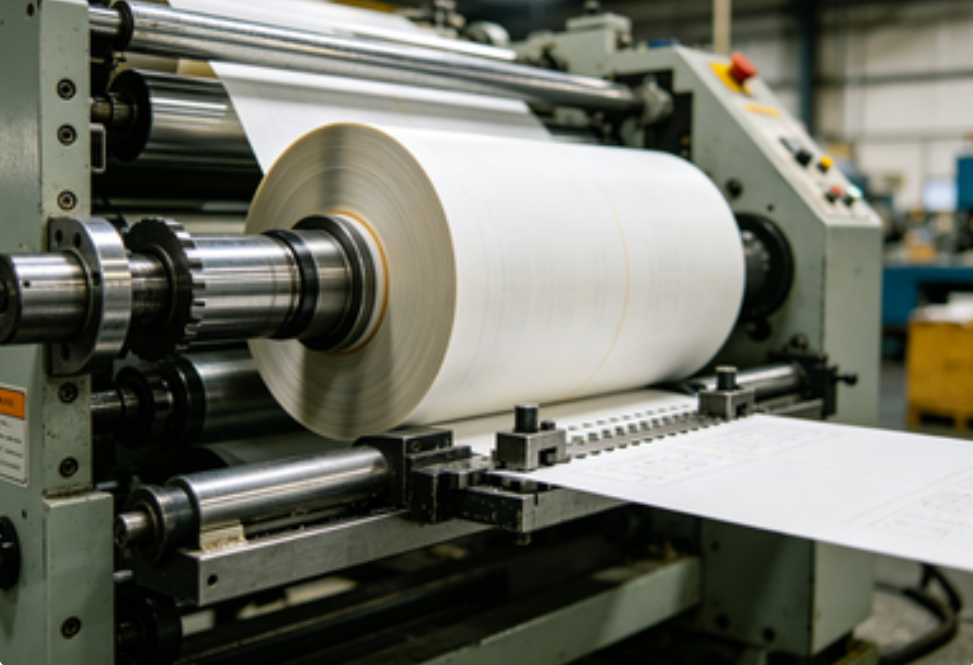
They both come in rolls.
They both stick.
They both seem interchangeable in early prototyping.
But once you move into mass production, differences become very obvious.
Tape is often designed for:
- Simple bonding
- Packaging or assembly assistance
- General insulation or protection
Adhesive film is designed for:
- Layer bonding in structured assemblies
- Optical or electronic lamination
- Controlled thickness applications
- Multi-material compatibility
Reference data: https://www.adhesives.org/psa-material-properties
At Sanken, we often say:
Tape solves “attachment.”
Film solves “integration.”
Why does structure matter so much in real applications?
This is where most problems start.
Tape usually includes:
- A backing material (foam, PET, fabric, etc.)
- Adhesive coating on one or both sides
Adhesive film may be:
- Carrier-free (pure adhesive layer)
- Or engineered as a micro-layer composite system
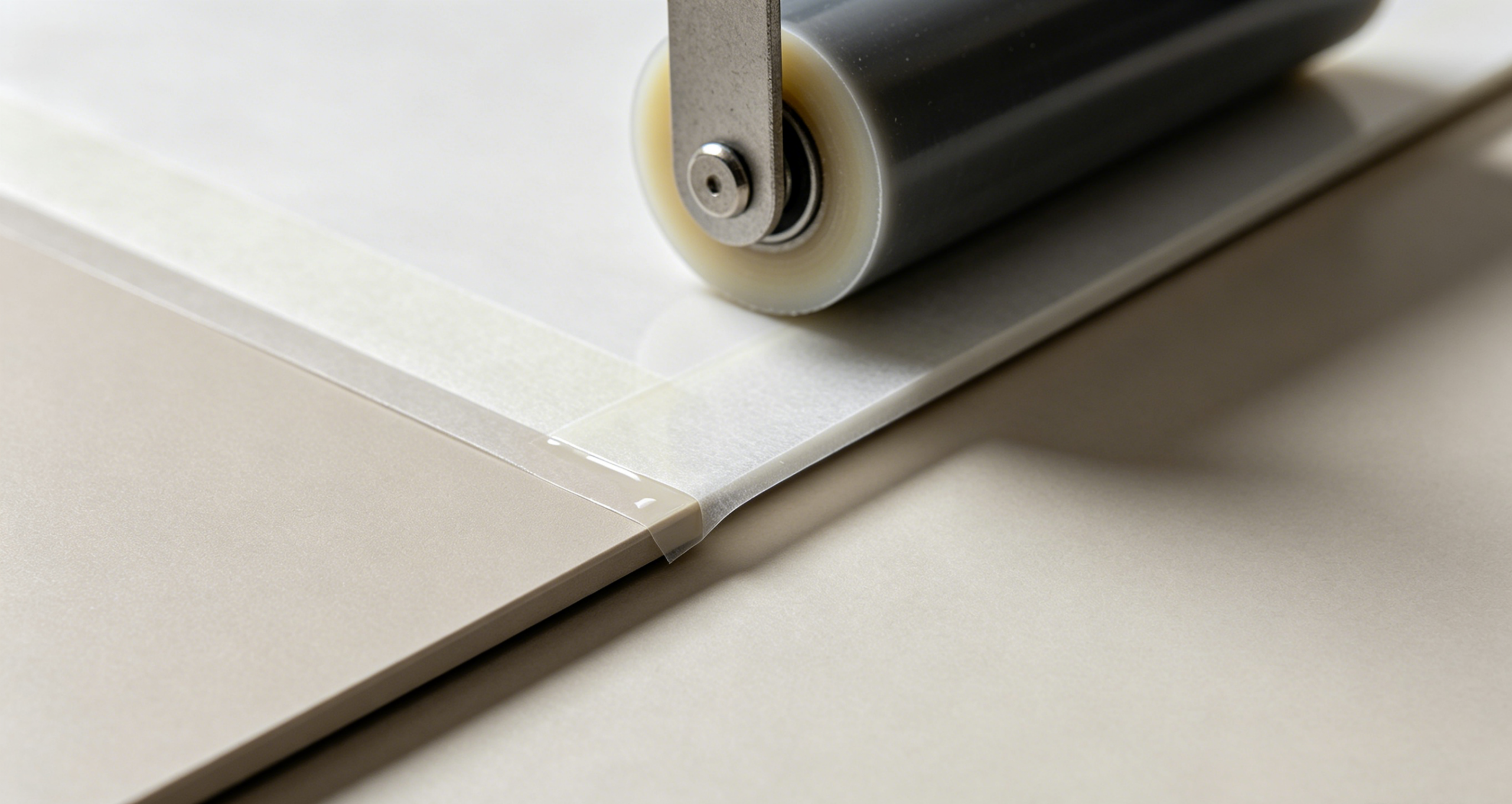
That structural difference changes everything:
- Thickness control
- Compression behavior
- Temperature response
- Long-term creep resistance
In automotive or electronics assembly, even a 0.1 mm deviation can create alignment failure.
That is where adhesive film becomes critical.
Why does performance behavior differ in production?
Tape is usually optimized for convenience.
Adhesive film is optimized for stability.
In production environments, we often evaluate:
- Shear strength
- Peel strength
- Temperature resistance
- Aging performance
- Compression set behavior
Reference data: https://www.sciencedirect.com/topics/materials-science/pressure-sensitive-adhesives
Tape may perform well during assembly.
But under heat, vibration, or long-term load, it may degrade faster.
Adhesive film is engineered to maintain performance across lifecycle conditions.
That is a big difference OEM engineers care about.
Where does Sanken’s advantage come in?
This is where we see many customer pain points—and where we help most.
At Sanken Manufacturing, we don’t just supply materials.
We engineer application-based solutions.
Our capability covers:
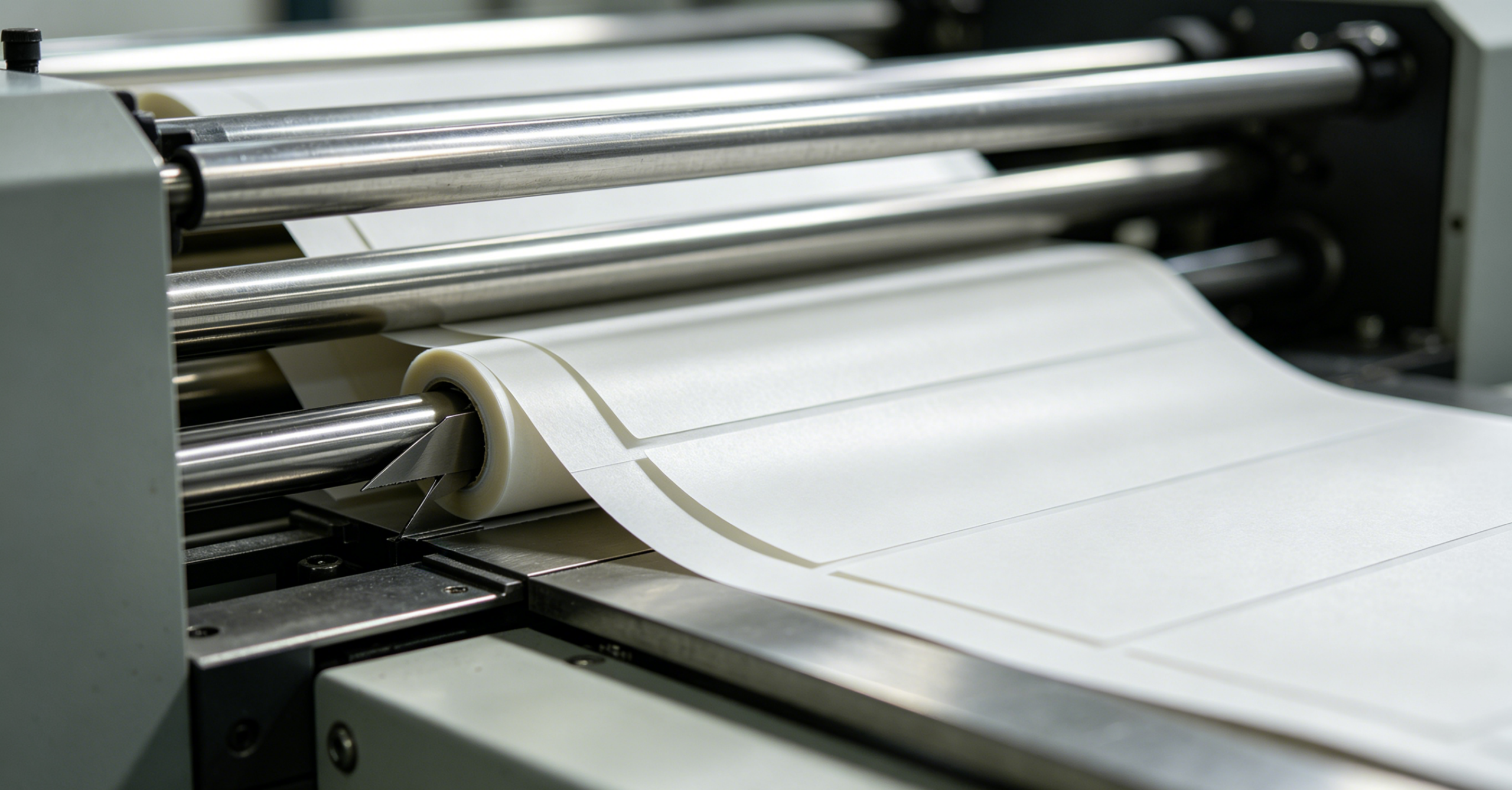
- Precision die-cutting for adhesive conversion
- Multi-layer lamination
- Material composite processing
- OEM customization for sealing, insulation, and protection
What this means for customers:
Instead of choosing between “tape or film,”
we help define what the assembly actually needs.
We often ask customers:
- What is the substrate material?
- What is the operating temperature range?
- Is the load static or dynamic?
- Is this structural bonding or auxiliary fixing?
Because the wrong material choice is rarely visible at first.
It shows up later in failure mode.
What problems happen when you choose the wrong one?
We have seen this many times in real OEM projects:
1. Edge lifting during assembly
Tape too thick or too soft → stress imbalance
2. Adhesion failure after temperature cycling
Wrong adhesive formulation → performance drop
3. Misalignment in automated assembly
Inconsistent thickness → positioning drift
4. Shortened product lifecycle
Poor aging resistance → early degradation
These are not material issues alone.
They are system-level design issues.
How do engineers choose correctly?
We usually guide customers through a simple logic:
- If the goal is fast bonding + general assembly → tape
- If the goal is precision lamination + functional integration → adhesive film
- If the goal is high reliability under stress → engineered composite solution
And sometimes, the answer is neither standard tape nor standard film.
It becomes a custom structure.
That is where Sanken’s material conversion capability becomes critical.
Why does one-stop manufacturing matter here?
Because adhesive selection is not isolated.
It connects directly with:
- Die-cutting precision
- Lamination process
- Molded component design
- Assembly workflow
If these are not aligned, problems appear downstream.
That is why our customers in automotive, electronics, and medical industries prefer integrated suppliers.
Less handoff.
Less mismatch.
More stable output.
Is adhesive film stronger than tape?
Not always. Strength depends on formulation, thickness, and application conditions.
Can tape replace adhesive film in electronics?
In some cases yes, but high-precision or layered structures usually require adhesive film.
Why does thickness control matter so much?
Because it directly affects alignment, compression, and stress distribution.
Can adhesive film be die-cut like tape?
Yes, and at Sanken we specialize in precision die-cutting of both materials.
What industries use adhesive films most?
Automotive interiors, electronics insulation, optical lamination, and medical assemblies.
How do I reduce bonding failures in production?
Start with material selection based on real operating conditions, not just initial adhesion.
Conclusion
Tape and adhesive film may look similar, but they solve different engineering problems.
One is for quick bonding.
The other is for precision integration.
At Sanken, we help customers choose not just a material—but the right bonding strategy for long-term reliability.