
Non Woven Fabric Suppliers: How to Choose the Right Partner for Quality, Consistency, and Long-Term Supply?
Finding a non woven fabric supplier sounds simple.
Until your production line stops.
A manufacturer once contacted us after experiencing repeated delays from their existing supplier. The material specifications looked identical on paper. The pricing was competitive. Samples passed initial testing.
Yet after mass production started, problems began to appear:
- Material thickness varied between batches
- Adhesive bonding performance became inconsistent
- Die-cut parts no longer fit correctly
- Production scrap rates increased
- Customer complaints started rising
The root cause wasn't the product design.
It was the supplier.
This is why choosing a non woven fabric supplier is about much more than purchasing raw material. The right supplier can improve product quality, simplify manufacturing, reduce costs, and accelerate product development. The wrong supplier can create expensive problems that affect your entire supply chain.
The best non woven fabric suppliers offer not only stable material quality but also engineering support, converting capabilities, customization services, and scalable manufacturing solutions. For OEM manufacturers, the ideal partner is one that understands both the material and the final application.
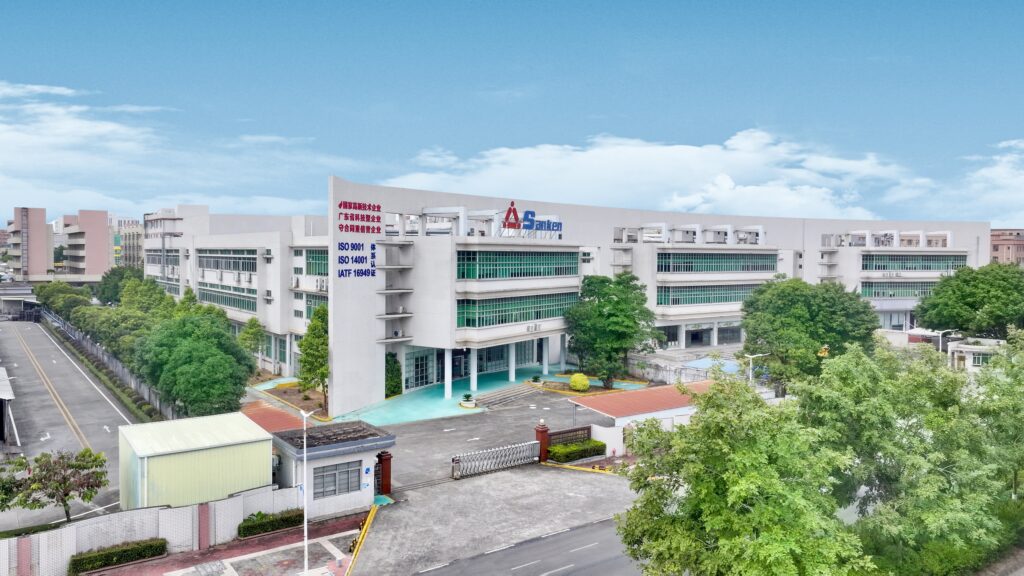
At Sanken Manufacturing, we help customers worldwide transform non woven materials into precision die-cut, laminated, molded, and converted components used in automotive, electronics, medical, industrial, and consumer applications.
Why Non Woven Fabric Is Used in So Many Industries
Non woven fabric has become one of the most versatile engineered materials available today.
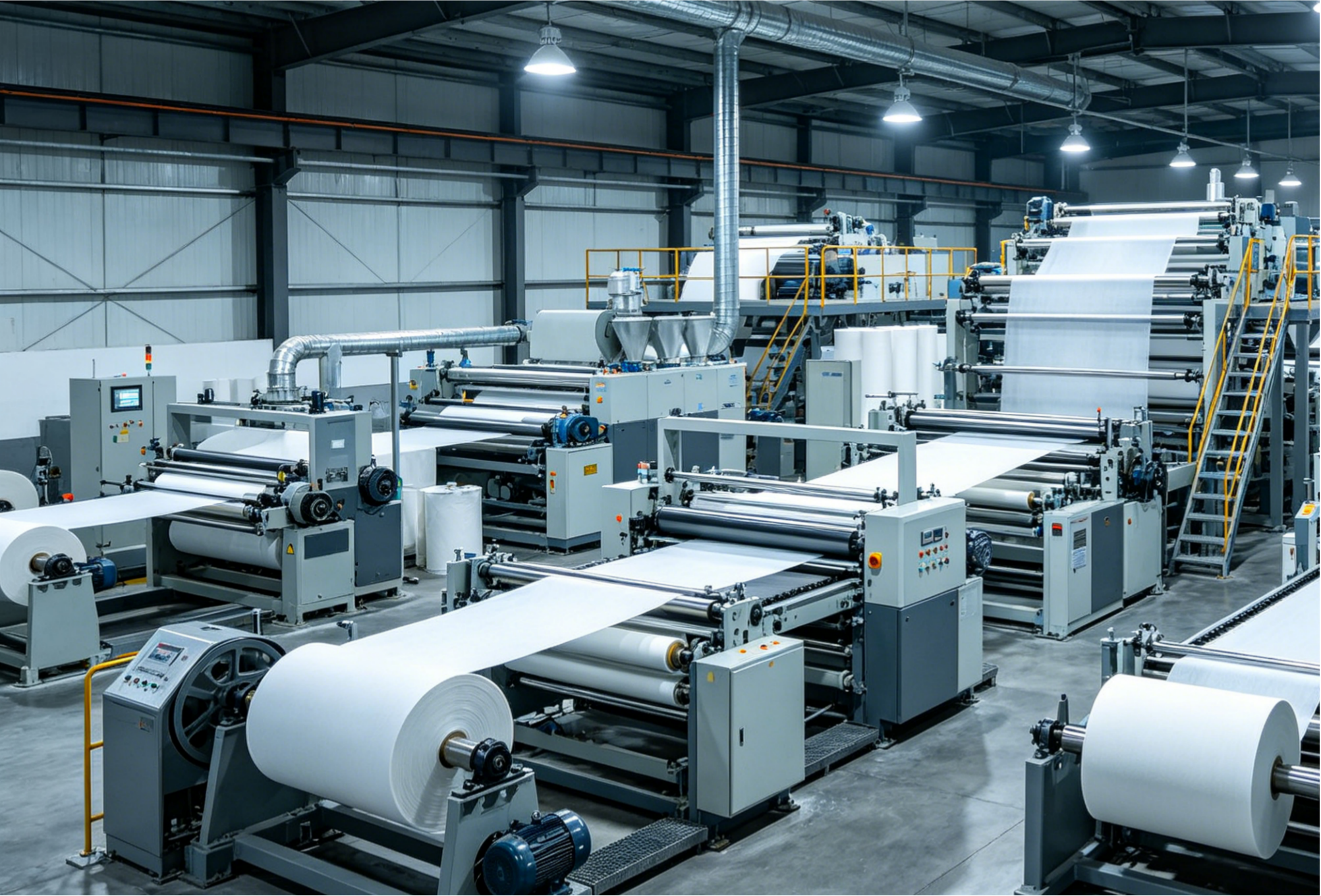
Unlike traditional woven textiles, non woven fabrics are produced by bonding fibers through thermal, mechanical, or chemical processes.
This creates unique advantages:
- Lightweight construction
- Excellent flexibility
- Cost-effective production
- Sound absorption capability
- Thermal insulation performance
- Filtration efficiency
- Easy conversion and die cutting
- Compatibility with adhesive systems
Because of these characteristics, non woven fabrics are now found in thousands of products across multiple industries.
What Makes a Good Non Woven Fabric Supplier?
Many suppliers can sell non woven fabric.
Far fewer can support a customer throughout the entire product lifecycle.
A professional supplier should provide:
| Capability | Why It Matters |
|---|---|
| Stable quality control | Reduces production risk |
| Material expertise | Improves product performance |
| Customization support | Meets unique requirements |
| Engineering assistance | Solves application challenges |
| Reliable delivery | Prevents production delays |
| Converting services | Simplifies supply chains |
For OEM customers, these capabilities often matter more than the lowest price.
Automotive Industry Requirements Are Becoming More Demanding
Automotive manufacturers are among the largest consumers of engineered non woven materials.
Applications include:
- Interior trim components
- Headliners
- Door panels
- Trunk liners
- Acoustic insulation systems
- Battery protection materials
- Thermal insulation barriers
- NVH solutions
Automotive customers increasingly require suppliers that can provide:
- Consistent material thickness
- Heat resistance
- Flame-retardant options
- Long-term durability
- Lightweight construction
- Precision converting capabilities
At Sanken, we work closely with automotive OEMs and Tier 1 suppliers to develop customized non woven solutions that meet strict quality and performance requirements.
The Growing Demand for Converted Non Woven Components
Modern manufacturers rarely use raw non woven rolls directly.
Instead, they need finished components ready for assembly.
Examples include:
- Die-cut gaskets
- Acoustic pads
- Thermal insulation pieces
- Adhesive-backed components
- Multi-layer laminates
- Precision-cut shapes
This trend is changing how companies evaluate suppliers.
Today, many buyers prefer suppliers that can both source materials and perform value-added converting operations.
At Sanken, we provide:
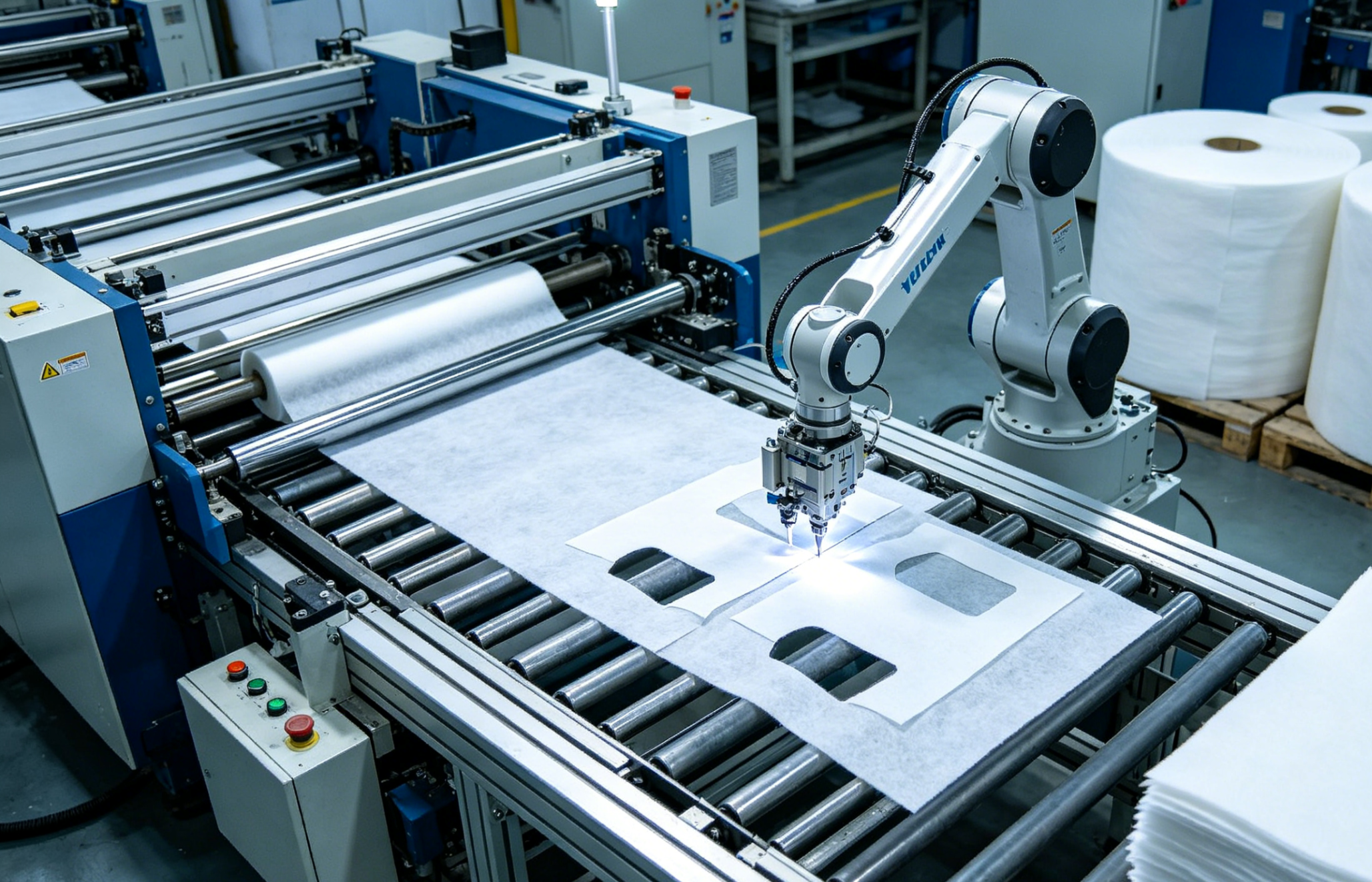
- Precision die cutting
- Adhesive laminating
- Foam bonding
- Slitting
- Hot pressing
- Material assembly
This helps customers reduce supplier complexity while improving quality consistency.
Why Engineering Support Matters
A good supplier doesn't simply sell material.
A great supplier helps solve problems.
Customers often approach us with challenges such as:
- Excessive vehicle noise
- Poor thermal insulation
- Material delamination
- Assembly inefficiencies
- Weight reduction targets
In many cases, the solution involves selecting the right non woven structure, density, thickness, or laminate combination.
Engineering support can dramatically shorten development cycles and improve final product performance.
Medical and Healthcare Applications Require Specialized Expertise
Medical manufacturers use non woven materials extensively for:
- Surgical products
- Protective clothing
- Wound care products
- Sterilization packaging
- Disposable medical supplies
These applications require:
- Strict cleanliness standards
- Material traceability
- Regulatory compliance
- Consistent performance
Suppliers serving this industry must maintain rigorous quality management systems.
Sustainability Is Influencing Supplier Selection
Environmental responsibility is becoming a major purchasing factor.
Many OEMs now seek suppliers that offer:
- Recycled-content materials
- Reduced manufacturing waste
- Lightweight designs
- Sustainable sourcing practices
Non woven materials are particularly attractive because many formulations can incorporate recycled fibers while maintaining performance.
As sustainability requirements continue to grow, supplier capabilities in this area will become increasingly important.
How Global Supply Chain Challenges Changed Buying Decisions
Recent supply chain disruptions have changed how manufacturers evaluate suppliers.
Today, buyers often prioritize:
- Multiple production capabilities
- Inventory flexibility
- Regional manufacturing support
- Reliable logistics
- Fast response times
A supplier that can consistently deliver material during market fluctuations becomes a valuable strategic partner.
At Sanken, our manufacturing capabilities help customers reduce supply chain risks while maintaining production continuity.
Why OEM Buyers Prefer One-Stop Manufacturing Partners
Managing separate suppliers for:
- Raw materials
- Die cutting
- Laminating
- Adhesive application
- Assembly
can create unnecessary complexity.
Every additional supplier introduces:
- Communication challenges
- Quality variability
- Longer lead times
- Increased project management effort
This is why more OEMs are partnering with manufacturers that provide integrated solutions.
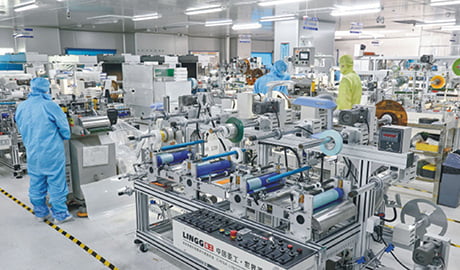
Sanken's capabilities include:
- Non woven material converting
- Foam fabrication
- Precision die cutting
- Rubber processing
- Adhesive tape converting
- Injection molding support
- Custom assembly solutions
This integrated approach helps customers accelerate product development and improve overall efficiency.
Why More Manufacturers Choose Sanken
At Sanken Manufacturing, we do more than supply materials.
We help customers develop complete manufacturing solutions.
Our expertise includes:
- Non woven fabrics
- Foam materials
- Rubber components
- Adhesive tapes
- Precision die cutting
- Material laminating
- Hot pressing
- Injection molding
Serving industries such as:
- Automotive
- Electronics
- Medical devices
- Industrial equipment
- Consumer products
We help customers transform raw materials into precision-engineered components ready for assembly.
Conclusion
The best non woven fabric suppliers provide far more than material. They deliver consistent quality, engineering expertise, customization capabilities, and integrated manufacturing support that help OEMs reduce risk and improve product performance. As industries continue demanding lighter, quieter, and more efficient products, choosing the right non woven fabric supplier becomes a strategic decision. At Sanken Manufacturing, we help customers worldwide convert non woven materials into high-performance components that support long-term manufacturing success.