

Do Plastic Panels Under Cars Provide Much Function? The Hidden Engineering Beneath the Vehicle
When people look under a car, they often assume the plastic panels are just “covers” to make things look tidy.
Lightweight. Cheap. Decorative.
But that assumption is only half correct.
In modern vehicles, especially EVs and aerodynamic-focused platforms, underbody plastic panels are actually functional engineering components, not cosmetic parts.
At Sanken (Dongguan Sanken Electronics Co., Ltd.), we see these parts as part of a larger system where airflow, noise control, thermal management, and protection all intersect.
And once you understand their real role, they stop looking like plastic covers—and start looking like performance tools.
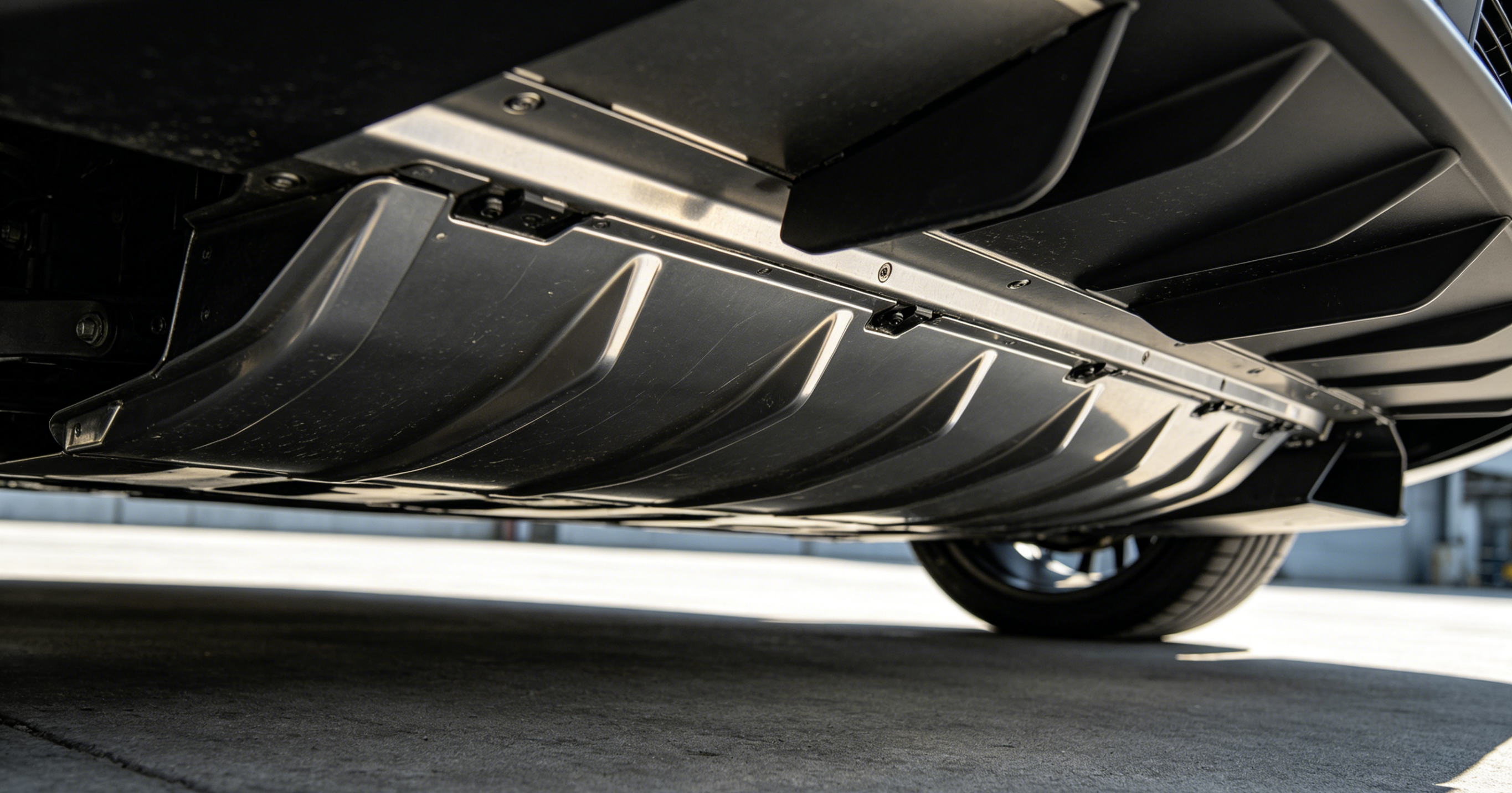
What are underbody plastic panels actually for?
Underbody panels (often called undertrays, splash shields, or aerodynamic covers) are installed beneath the vehicle chassis.
Their functions include:
1. Aerodynamic improvement
They smooth airflow under the vehicle to:
- reduce drag coefficient (Cd value)
- improve fuel efficiency or EV range
- stabilize high-speed driving
Even small airflow disturbances under the car can create significant energy loss.
So these panels act like an “airflow floor system.”
2. Protection from road environment
The underside of a vehicle is exposed to:
- stones and debris
- water spray
- salt (in cold regions)
- mud and dust
- road chemicals
Plastic underbody panels act as a barrier, protecting:
- wiring harnesses
- fuel or battery systems
- brake lines
- structural components
Without them, long-term corrosion risk increases significantly.
3. Noise reduction (NVH function)
This is often underestimated.
Underbody turbulence creates:
- low-frequency road noise
- air resonance in cavities
- vibration transfer into cabin floor
Plastic panels help reduce:
- airflow noise intrusion
- structural vibration amplification
In EVs, where engine noise is minimal, this function becomes even more important.
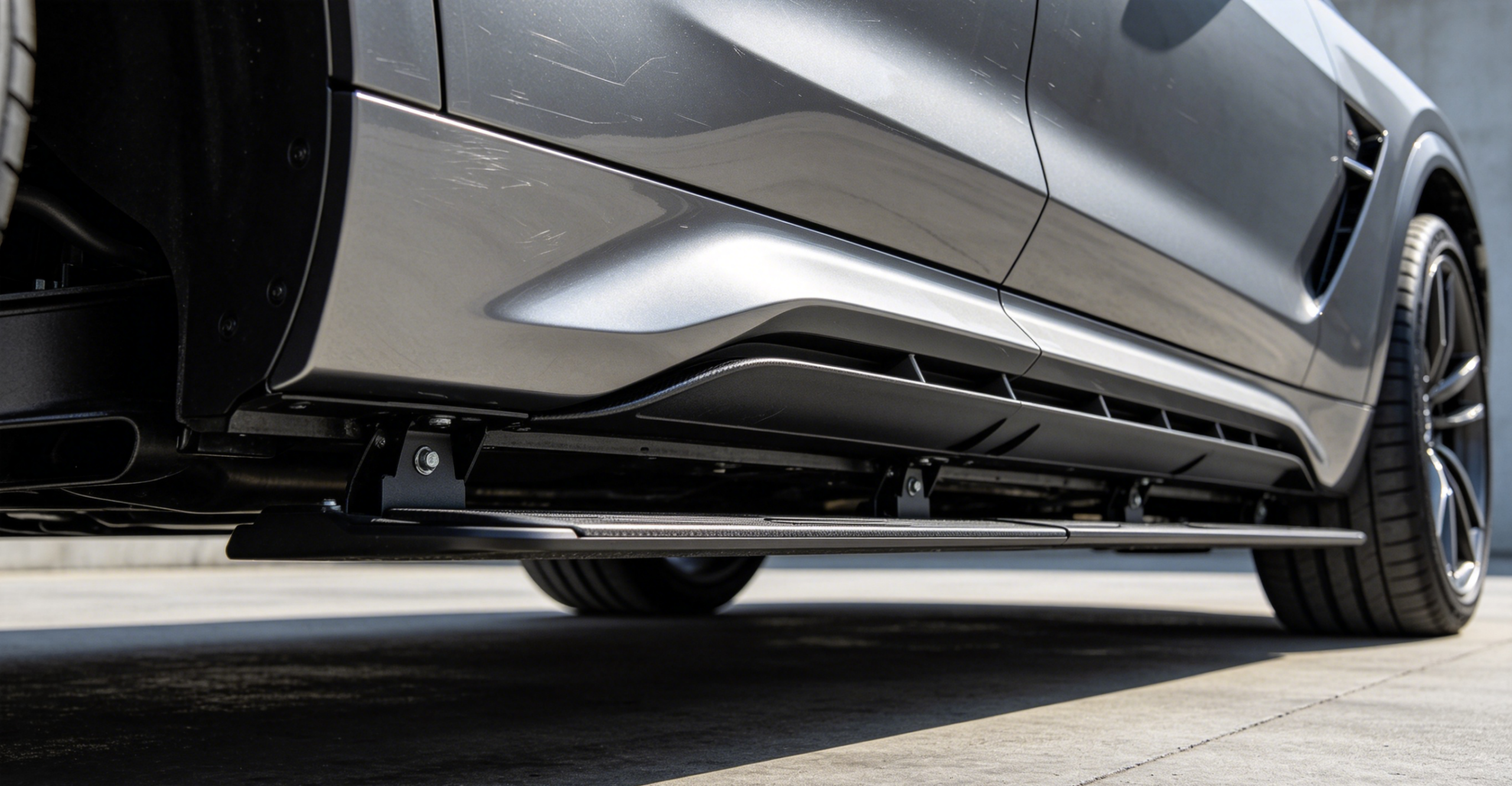
Are these panels just plastic covers?
No.
Modern underbody panels are often engineered systems made from:
- PP (polypropylene)
- ABS blends
- reinforced composites
- glass fiber-filled plastics
- acoustic foam + plastic hybrid structures
Many even include:
- rib structures for stiffness
- airflow channels
- heat shielding zones
- integrated mounting points
In advanced EV platforms, they may also help manage:
- battery thermal behavior
- airflow cooling pathways
- underfloor aerodynamic sealing
So they are closer to functional aero-structural components than simple covers.
Why do modern vehicles rely more on underbody panels?
There are three major industry drivers:
1. EV range optimization
EV manufacturers need every bit of efficiency.
Reducing drag under the vehicle directly improves:
- driving range
- energy consumption
- high-speed efficiency
2. Noise reduction requirements
As cabins become quieter, external noise becomes more noticeable.
Underbody panels help reduce:
- road noise transmission
- aerodynamic wind noise
- resonance from chassis cavities
3. Lightweight design pressure
Instead of adding heavy metal shielding, plastics provide:
- lower weight
- design flexibility
- integrated functional shaping
This supports modern lightweight engineering goals.
What happens if a car has no underbody plastic panels?
Vehicles without them typically experience:
- higher aerodynamic drag
- increased road noise inside cabin
- faster underbody corrosion
- more dirt and water exposure
- reduced EV efficiency
In short:
The vehicle still works—but it works less efficiently, less quietly, and less cleanly.
How do underbody panels connect to materials like those used at Sanken?
This is where things become interesting.
While Sanken focuses on:
- die-cut acoustic materials
- foam and non-woven insulation
- adhesive bonding systems
- vibration damping components
These materials often work together with underbody systems, not separately.
For example:
- acoustic pads reduce cabin vibration
- foam layers isolate structural noise
- adhesive systems stabilize interior modules
- sealing materials support underbody assemblies
So underbody plastic panels form the outer “shield,” while internal NVH materials refine the cabin experience.
It is a layered engineering system.

Are underbody panels more important in electric vehicles?
Yes—significantly more important.
Because EVs lack engine noise, other sounds become more noticeable:
- tire-road interaction
- wind turbulence
- chassis vibration
At the same time, EVs require:
- battery protection
- thermal airflow management
- sealed aerodynamic underfloor design
This makes underbody panels a critical performance component, not just a protective layer.
What is the future of underbody panel design?
The trend is moving toward:
Integrated multi-function systems
Instead of simple plastic covers, panels now combine:
- aerodynamics
- acoustic damping
- thermal management
- structural reinforcement
Hybrid material structures
Future panels may include:
- foam inserts
- acoustic layers
- vibration damping zones
- embedded sensors
Precision system integration
Tighter integration with:
- battery enclosures
- HVAC airflow systems
- chassis vibration control layers
Conclusion
Plastic panels under cars are far more than simple protective covers.
They are multifunctional engineering components that contribute to:
- aerodynamics
- noise reduction
- protection
- energy efficiency
- structural stability
In modern vehicles—especially EVs—they are essential to performance.
And just like die-cut acoustic materials inside the cabin, they are part of a larger system where every layer matters.
At Sanken, we understand this system thinking well: whether inside the vehicle or underneath it, real performance comes from how materials work together—not in isolation.