

Why Are VW Interiors Held in Such High Regards? The Hidden Manufacturing Logic Behind Volkswagen’s Reputation
A customer once told me something fascinating after comparing several vehicles at an auto show.
“The Volkswagen didn’t even have the biggest screen or the flashiest lighting. But somehow, it felt more solid, more refined, and more expensive inside.”
That comment perfectly explains why Volkswagen interiors continue earning respect across global markets. VW cabins are rarely the most dramatic. They are not always the most futuristic either. Yet many drivers consistently describe them as “well-built,” “premium,” and “comfortable” even in non-luxury models.
Volkswagen interiors are highly regarded because they combine material consistency, ergonomic design, acoustic refinement, assembly precision, and long-term durability into a balanced driving experience that feels solid and dependable over time. Behind this reputation lies extensive engineering involving foam systems, die-cut insulation materials, adhesive laminating structures, vibration control components, and tightly controlled manufacturing processes.
At Sanken, we understand these systems from a manufacturing perspective because modern automotive interiors rely heavily on precision material converting and integrated component engineering that most drivers never see — but immediately feel.
VW Interiors Feel “Solid” for a Reason
Many people describe VW interiors using one word:
“Solid.”
That feeling is not accidental.
It comes from carefully controlled engineering details such as:
- Tight panel gaps
- Consistent material textures
- Controlled button resistance
- Stable surface alignment
- Reduced cabin vibration
- Acoustic insulation tuning
Even small tactile details strongly affect how premium a vehicle feels psychologically.
Volkswagen has historically been very good at controlling these subtle sensory experiences.
Why Material Selection Matters So Much
Interior quality begins with materials.
Not just visible surfaces.
But also the hidden layers underneath.
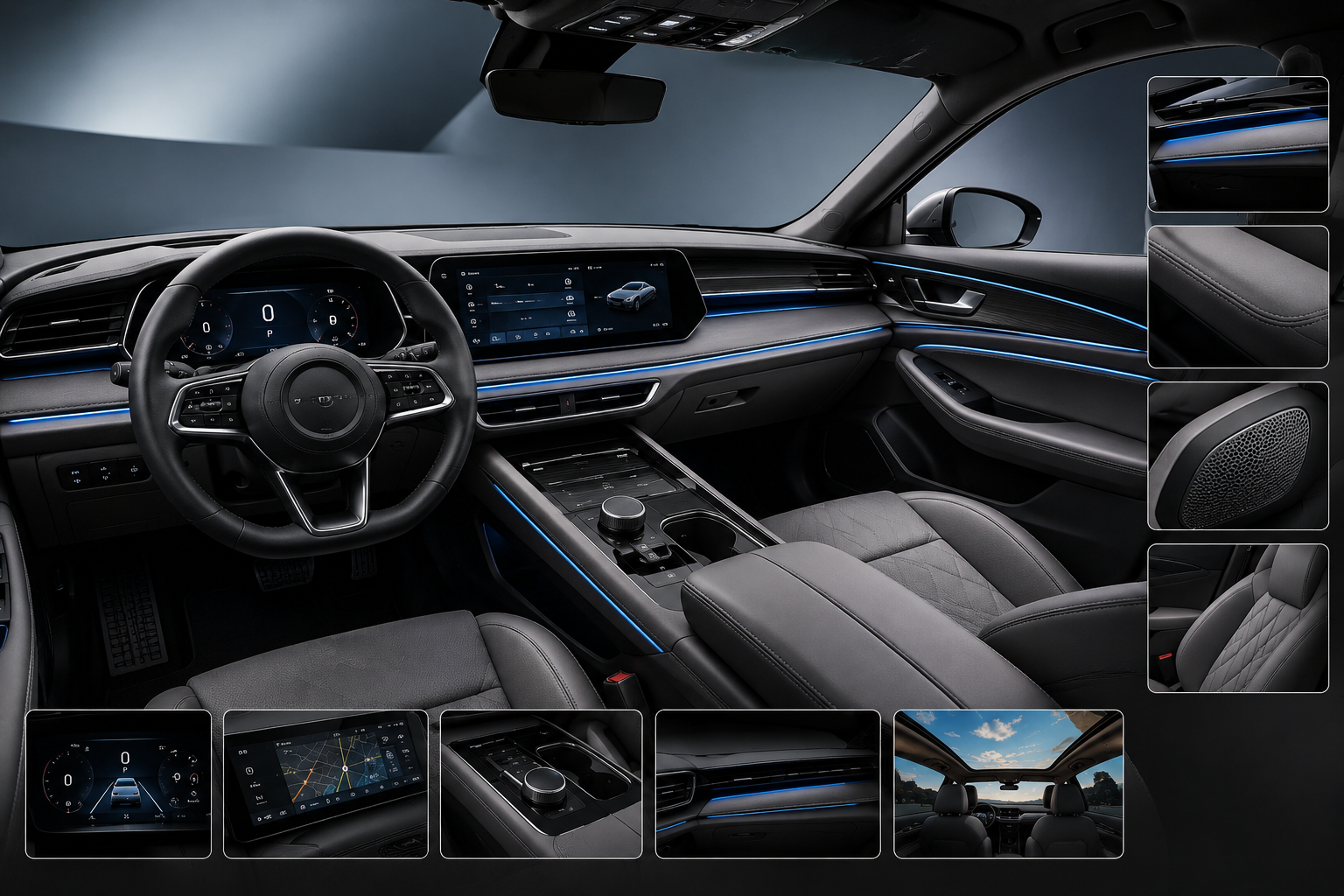
A modern VW interior may include:
| Hidden Material System | Function |
|---|---|
| Foam die-cut parts | Vibration damping |
| Acoustic insulation | Noise reduction |
| Adhesive laminates | Structural bonding |
| Thermal barriers | Heat management |
| Felt materials | Cabin comfort |
| Precision spacers | Assembly consistency |
Without these invisible systems, the cabin would feel noisy, loose, and cheap regardless of appearance.
Why VW Interiors Age Better Than Many Competitors
This is one of the biggest reasons buyers respect VW interiors.
Many interiors look good when new.
Far fewer maintain quality perception after years of use.
Poorly engineered interiors often develop:
- Dashboard rattles
- Surface peeling
- Button fading
- Adhesive separation
- Squeaking noises
- Foam collapse
Volkswagen traditionally focused heavily on long-term consistency.
That requires stable manufacturing systems and strict supplier standards.
At Sanken, we understand how critical this is because material inconsistency often becomes visible only after years of real-world usage.
Why Acoustic Comfort Plays a Huge Role
Many drivers underestimate how much noise affects luxury perception.
A cabin that feels quiet automatically feels more premium.
Volkswagen interiors often perform well because they carefully manage:
- Wind noise
- Structural vibration
- Panel resonance
- Road noise transmission
This relies heavily on precision-converted materials such as:
- Acoustic foam
- Felt insulation
- Sealing gaskets
- Multi-layer laminates
At Sanken, we help automotive OEM customers improve NVH performance through advanced foam die cutting and material converting technologies.
Why VW Avoided “Overdesign” for So Long
One reason VW interiors gained respect is balance.
Historically, Volkswagen focused on:
- Clean layouts
- Logical controls
- Ergonomic simplicity
- Functional design consistency
Drivers could quickly understand the cabin without distraction.
Ironically, many modern interiors became visually impressive but less intuitive to use.
Some automakers prioritized:
- Oversized touchscreens
- Hidden functions
- Complex digital menus
This sometimes reduced real-world usability.
Volkswagen built much of its reputation by making interiors feel intuitive rather than overwhelming.
Why Manufacturing Precision Is More Important Than Styling
A beautiful design means little if production quality is unstable.
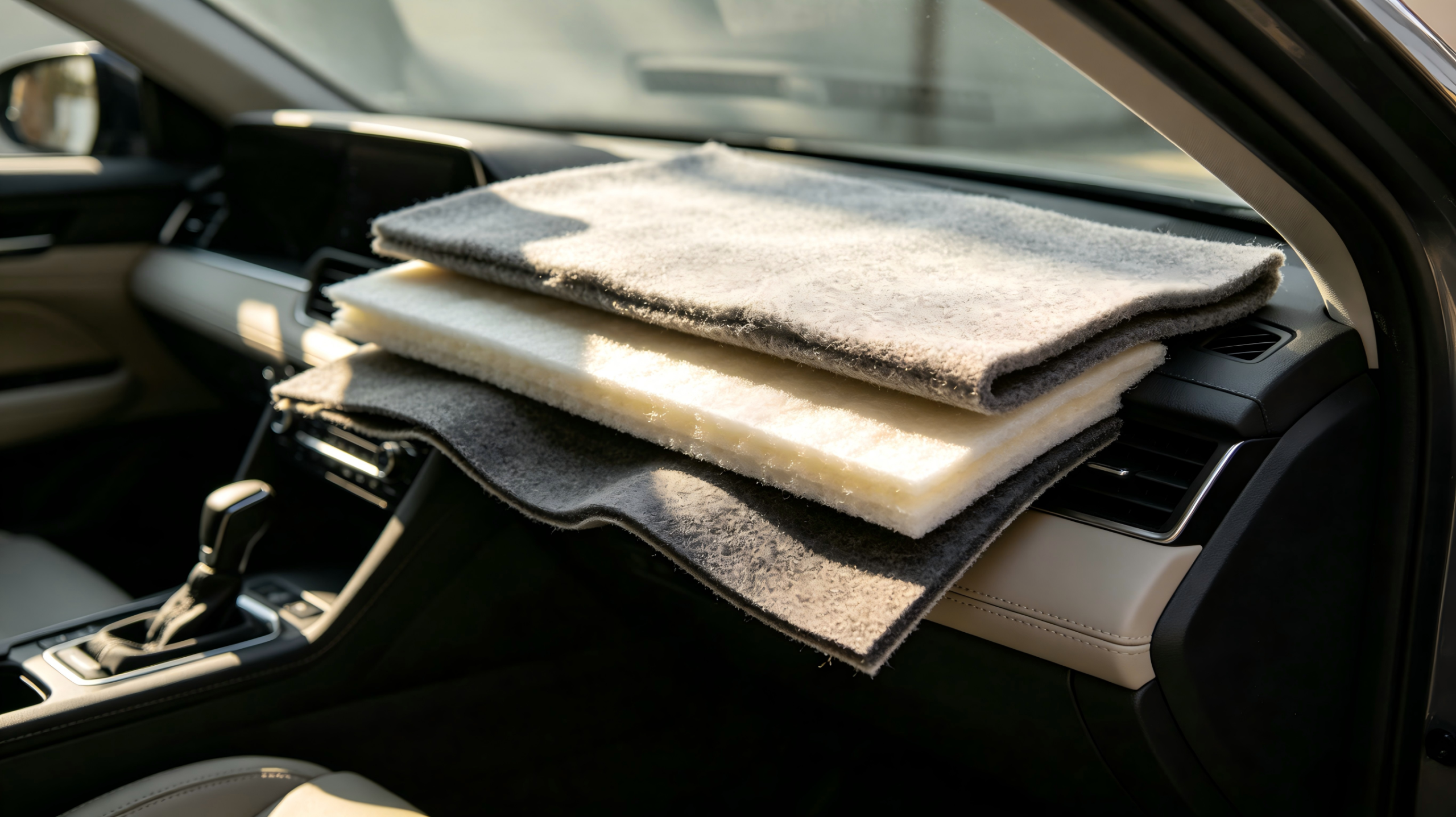
Modern interiors require extremely precise control over:
- Material thickness
- Foam compression
- Adhesive alignment
- Surface tension
- Thermal expansion behavior
Even tiny inconsistencies can create:
- Uneven gaps
- Surface deformation
- Rattling noises
- Premature wear
At Sanken, precision die cutting and laminating systems help customers maintain stable assembly consistency during large-scale automotive production.
Why German Automotive Standards Influence Interior Quality
German automotive engineering culture traditionally emphasizes:
- Durability
- Repeatability
- Structural precision
- Long-term performance
This philosophy affects supplier expectations heavily.
OEMs require suppliers capable of maintaining:
- Tight tolerances
- Stable process control
- Traceability systems
- Consistent batch quality
At Sanken, our manufacturing systems operate under:
- IATF 16949
- ISO 9001
- ISO 14001
This allows us to support automotive OEM customers requiring high-level production consistency.
Why Soft-Touch Surfaces Matter Psychologically
Drivers constantly touch interior surfaces.
Human perception is highly sensitive to tactile quality.
Soft-touch materials help create impressions of:
- Comfort
- Warmth
- Premium craftsmanship
- Structural refinement
But these surfaces require carefully engineered backing systems.
Without proper foam support and adhesive stability, soft-touch materials quickly deteriorate.
This is where hidden manufacturing quality becomes extremely important.
Why Modern EV Interiors Are Changing Everything
Electric vehicles are forcing the industry to rethink interior engineering completely.
Without engine noise masking imperfections, drivers now notice:
- Small rattles
- Surface vibration
- Structural resonance
- Material inconsistency
This creates huge pressure on suppliers to improve:
- Acoustic materials
- Foam systems
- Adhesive durability
- Structural damping performance
At Sanken, we help customers adapt to these new EV interior challenges through integrated material converting solutions.
Why OEM Buyers Focus So Heavily on Material Integration
Modern interiors combine many systems simultaneously:
- Electronics
- Decorative surfaces
- Acoustic insulation
- Thermal management
- Structural reinforcement
Managing multiple suppliers separately creates enormous complexity.
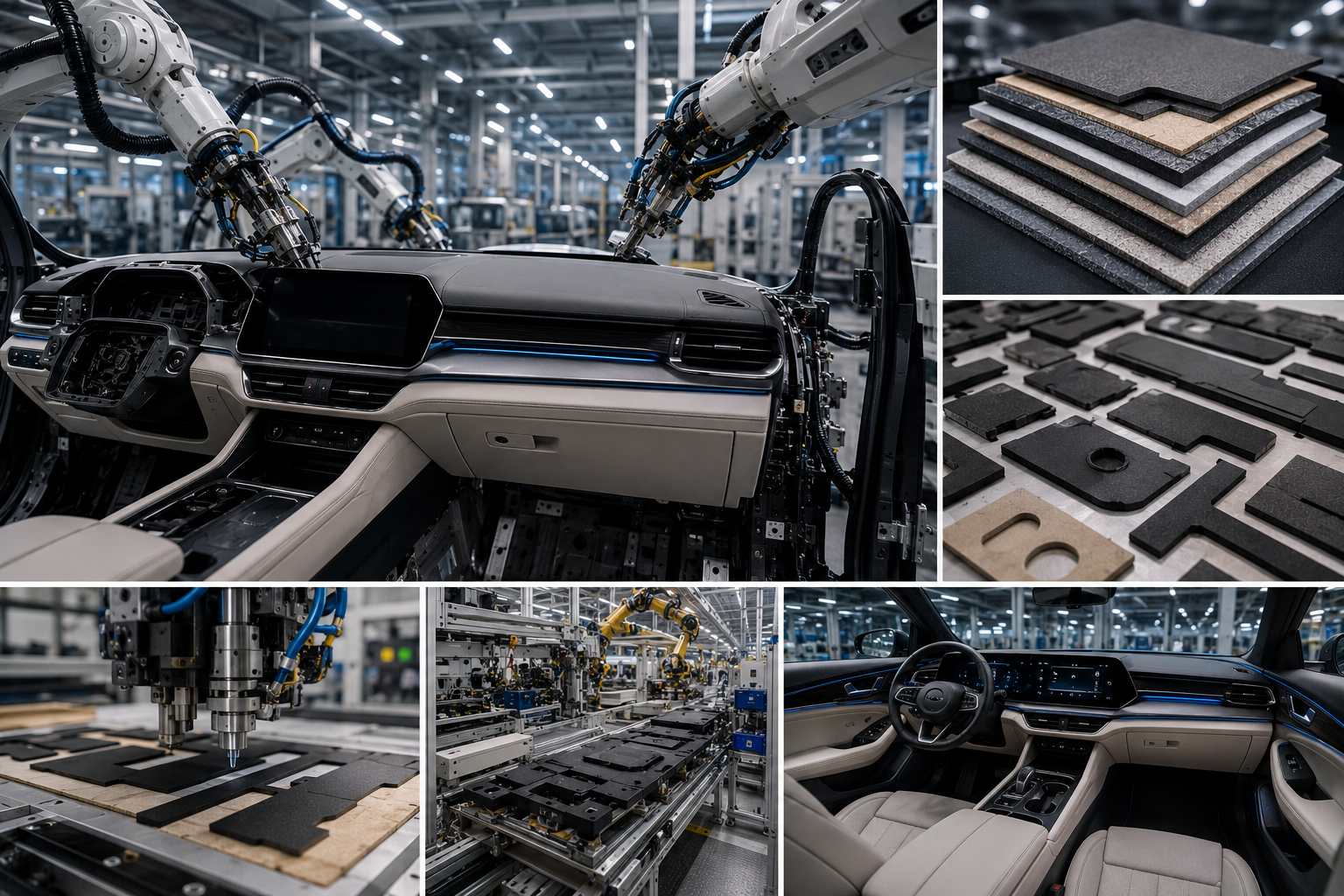
At Sanken, we integrate:
- Precision die cutting
- Foam converting
- Adhesive laminating
- Hot pressing
- Injection molding support
- Multi-material assembly
This one-stop manufacturing capability helps OEM customers improve quality consistency while simplifying supply chain management.
So Why Are VW Interiors Respected Worldwide?
Because they feel engineered rather than simply decorated.
Volkswagen interiors traditionally prioritize:
- Long-term usability
- Structural solidity
- Acoustic refinement
- Material consistency
- Driver comfort
These qualities may seem subtle individually.
But together, they create a cabin experience that many drivers perceive as genuinely premium — even years later.
Conclusion
Volkswagen interiors are highly regarded because they combine precision manufacturing, acoustic refinement, durable materials, ergonomic design, and long-term structural consistency into a balanced driving experience. At Sanken, we support automotive OEM customers with advanced foam converting, adhesive laminating, and precision die cutting solutions that help modern vehicle interiors achieve higher comfort, stability, and perceived quality.