
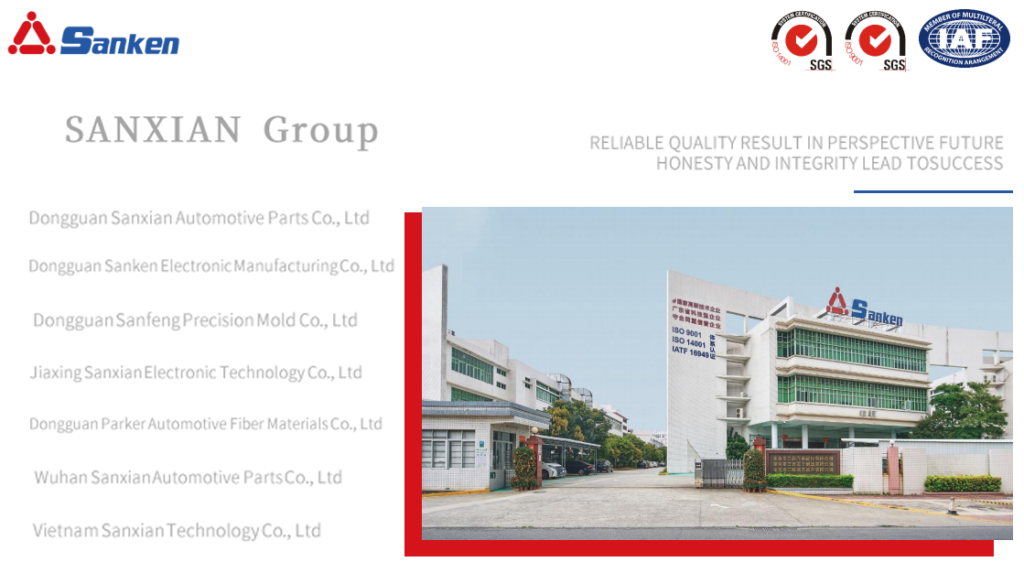
Injection mold cost usually ranges from about $1,000 to more than $100,000, depending on part size, mold complexity, cavity count, plastic material, mold steel, tolerance requirements and expected production volume.
Simple prototype molds may cost around $1,000 to $5,000, while production molds for automotive, electronics, medical and industrial OEM applications often range from $10,000 to $100,000 or more.
For OEM buyers, the lowest mold price is not always the lowest total cost. Tooling modifications, design changes, sampling, mold maintenance, material requirements and production stability can all affect the final project investment.
What Determines Injection Mold Cost?
Injection mold pricing is influenced by several engineering and manufacturing factors.
Part Complexity
The more complex the part design, the more expensive the mold becomes.
Features that increase cost include:
- Undercuts
- Threads
- Complex geometries
- Deep ribs
- Thin walls
- Tight tolerances
- Complex surface finishes
Simple parts require less machining and fewer mold components.
Mold Size
Larger molds require:
- More steel
- Larger machining equipment
- Longer machining time
- More maintenance
As part size increases, tooling costs typically rise significantly.
Theme: Precision Injection Mold Manufacturing
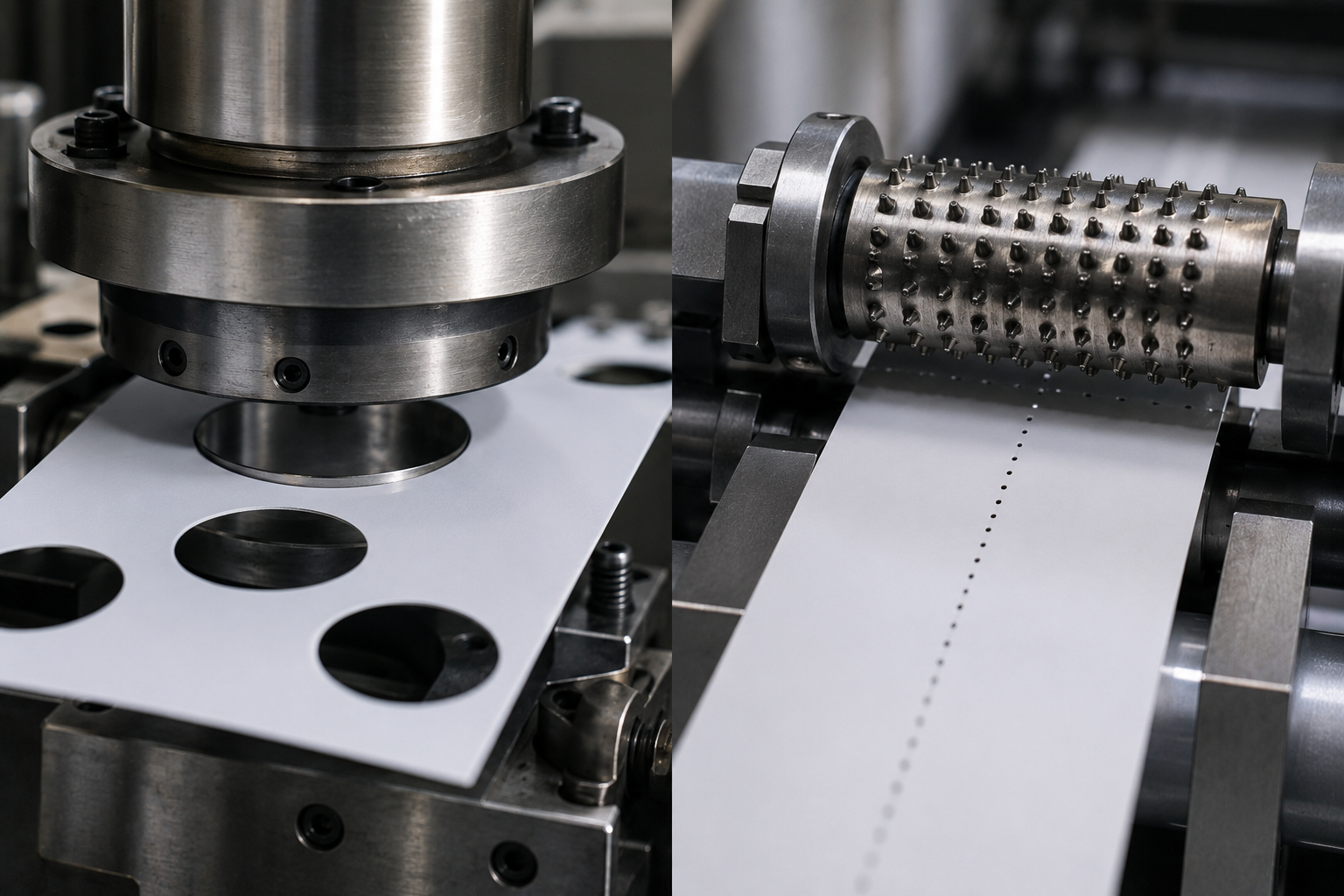
Typical Injection Mold Cost by Project Type
| Mold Type | Typical Cost Range |
|---|---|
| Prototype Mold | $1,000 – $5,000 |
| Low-Volume Production Mold | $5,000 – $15,000 |
| Standard Production Mold | $10,000 – $50,000 |
| Multi-Cavity Mold | $30,000 – $100,000+ |
| Automotive Production Mold | $50,000 – $200,000+ |
| Medical Precision Mold | $30,000 – $150,000+ |
Actual pricing depends on design requirements and production goals.
How Material Selection Affects Mold Cost
Different plastic materials require different mold designs.
Common materials include:
- ABS
- PC
- PP
- PET
- Nylon
- POM
- TPU
Engineering plastics often require:
- Higher-grade mold steel
- Better cooling systems
- Improved wear resistance
These requirements can increase tooling costs.
Single-Cavity vs Multi-Cavity Molds
One of the biggest cost drivers is cavity count.
Single-Cavity Mold
Advantages:
- Lower tooling cost
- Faster development
- Easier maintenance
Best for:
- Prototypes
- Low-volume production
Multi-Cavity Mold
Advantages:
- Higher production efficiency
- Lower part cost
- Greater output
Challenges:
- Higher tooling investment
- More complex design
- Longer manufacturing time
Large-volume OEM projects often justify the additional tooling expense.
Why Mold Steel Selection Matters
The steel used for mold construction affects both cost and lifespan.
Common mold steels include:
- P20
- H13
- S136
- NAK80
P20 Steel
- Lower cost
- Suitable for medium production volumes
H13 Steel
- Better wear resistance
- Longer mold life
S136 Steel
- Excellent corrosion resistance
- Common in medical and optical applications
Higher-quality steel increases initial tooling costs but often reduces long-term maintenance expenses.
Theme: High-Precision Mold Components
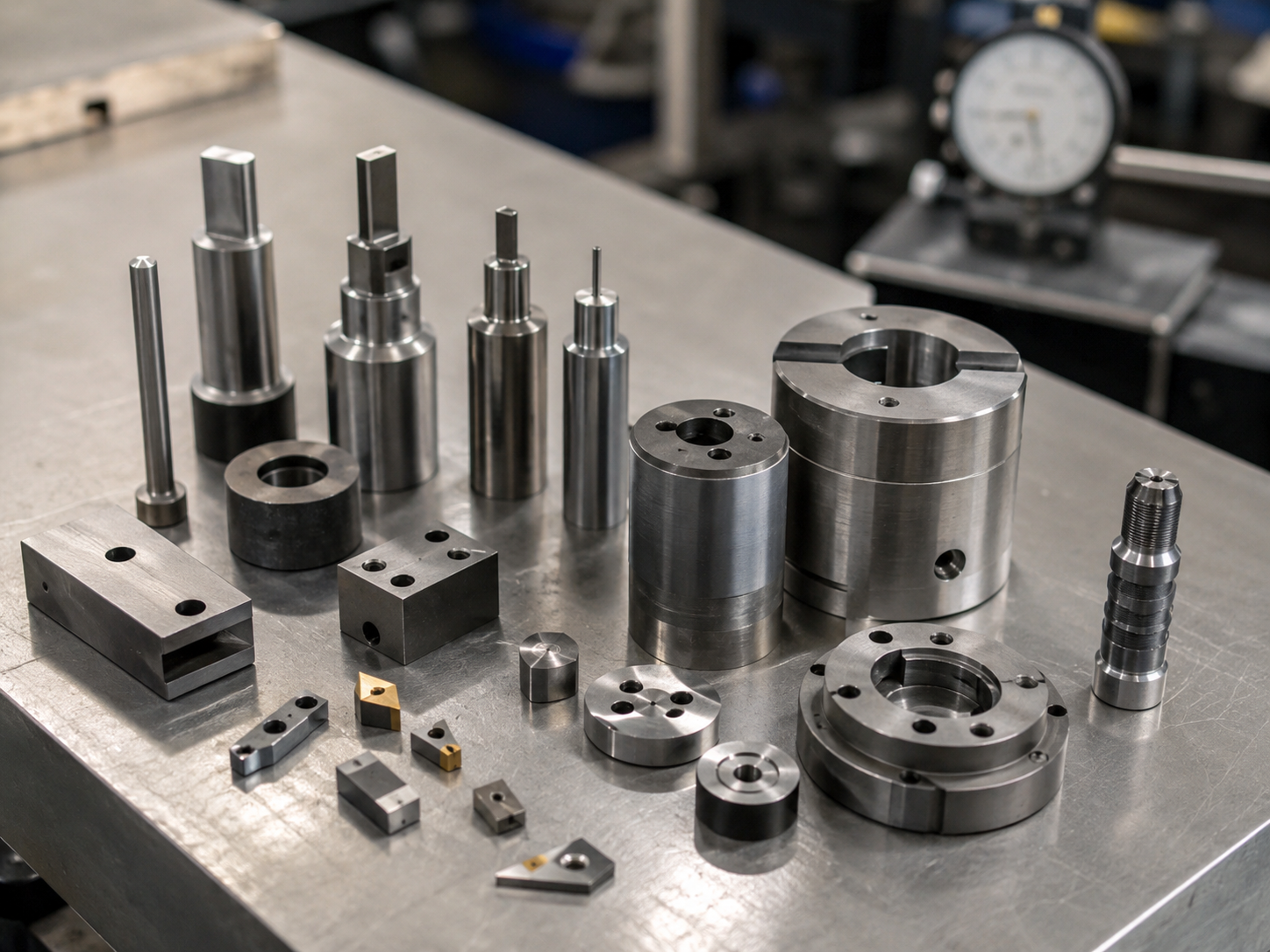
Hidden Costs Many Buyers Overlook
Tooling quotes do not always include every expense.
Potential additional costs include:
- Mold flow analysis
- Design modifications
- Product redesign
- Sampling and validation
- Mold maintenance
- Shipping and logistics
- Engineering changes
A lower initial quote does not always mean a lower total project cost.
How OEM Companies Reduce Mold Costs
Experienced manufacturers focus on Design for Manufacturing (DFM).
Common cost-saving strategies include:
Simplify Geometry
Reducing unnecessary complexity lowers machining time.
Optimize Wall Thickness
Uniform wall thickness improves moldability and reduces tooling challenges.
Minimize Undercuts
Undercuts often require expensive side actions and lifters.
Use Standard Mold Components
Standardized components reduce machining and maintenance costs.
Validate Designs Early
Mold flow analysis helps identify problems before steel is cut.
When Should OEM Buyers Choose a Higher-Cost Mold?
A higher mold cost may be reasonable when the project requires high production volume, tight tolerance, cosmetic surface finish, engineering plastics, multi-cavity output, long mold life or strict quality validation.
For example, automotive, electronics and medical parts often need more stable tooling because mold failure, part warpage, flash, shrinkage or dimensional variation can cause assembly problems and repeated inspection costs.
Instead of comparing mold price alone, OEM buyers should compare total project cost, including sampling time, mold modification risk, part quality, cycle time, maintenance and long-term production stability.
How Sanken Supports Injection Mold and OEM Manufacturing Projects
Sanken supports OEM customers with injection mold development, plastic injection molding, precision die cutting, rubber components, foam converting, adhesive assembly and material laminating.
For projects that require molded plastic parts together with foam pads, rubber seals, adhesive tape parts, protective films or insulation components, Sanken can help reduce supplier complexity by supporting multiple manufacturing processes under one roof.
Our team can review drawings or samples, support material selection, develop tooling, produce samples, adjust mold details, inspect critical dimensions and support stable mass production.
Core Capabilities
- Custom plastic injection mold development
- Injection molding production
- Precision die cutting
- Foam converting
- Rubber component manufacturing
- Adhesive assembly
- Material laminating
Key Advantages
- OEM and ODM customization
- ISO 9001 quality management
- RoHS and REACH compliant materials
- Domestic and overseas production bases
- Cleanroom precision manufacturing
- Tool development from drawings or samples
By combining tooling, molding, and secondary manufacturing processes under one roof, Sanken helps customers reduce supplier complexity and accelerate product development.
Theme: Custom OEM Manufacturing Solutions
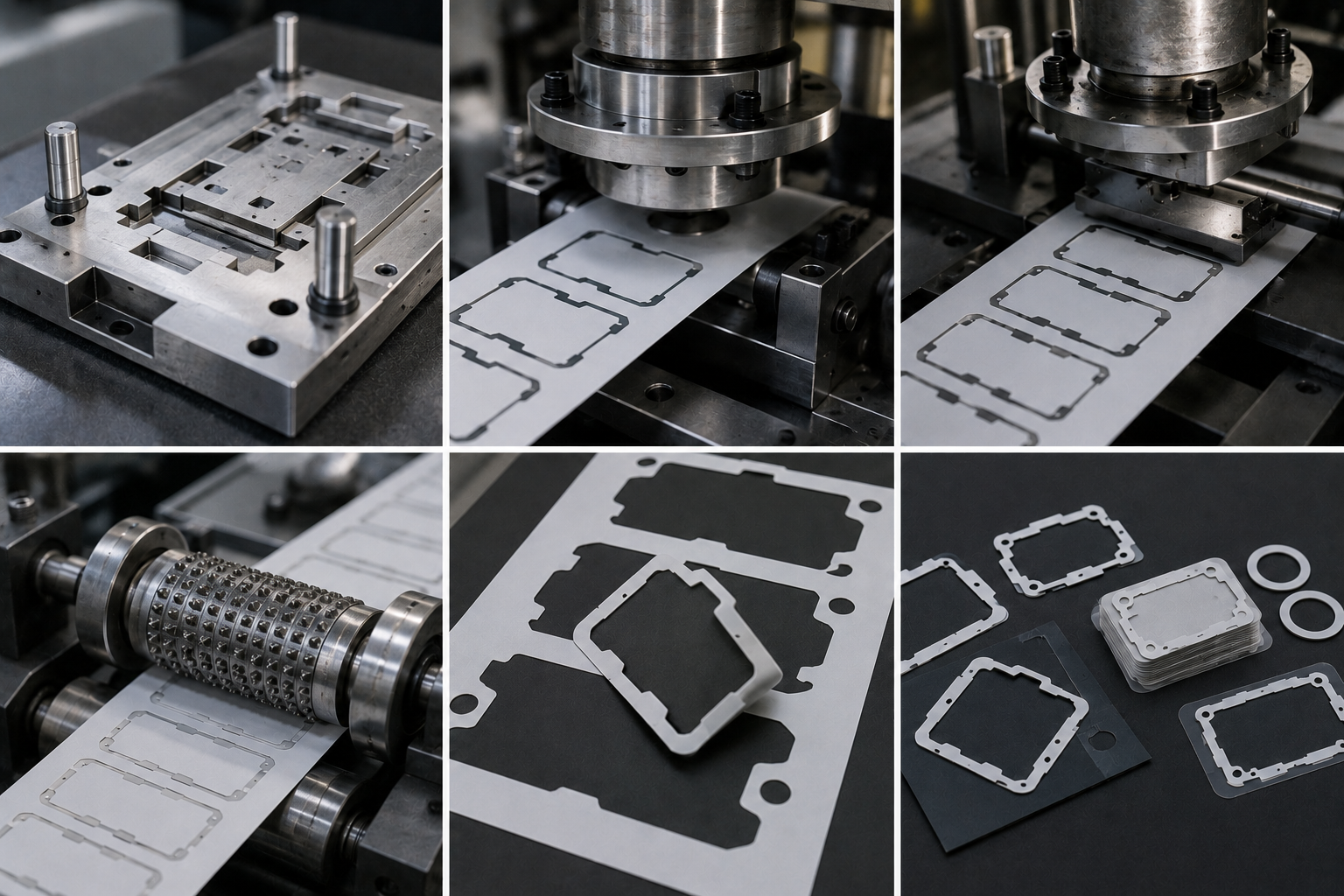
How to Get an Accurate Injection Mold Quote
To receive a reliable quotation, provide:
- 2D drawings or 3D CAD files
- Material requirements
- Annual production volume
- Surface finish requirements
- Tolerance specifications
- Expected mold life
- Application environment
The more complete the information, the more accurate the tooling estimate.
Conclusion
The cost of an injection mold can range from a few thousand dollars to more than $100,000, depending on part complexity, mold size, cavity count, plastic material, mold steel, tolerance requirements and production volume.
For OEM buyers, mold cost should not be judged by the initial tooling quote alone. A well-designed mold can reduce part defects, shorten sampling time, improve production stability and lower long-term assembly and maintenance costs.
Sanken supports custom injection mold development, plastic injection molding, precision die cutting, rubber parts, foam components and adhesive material converting for automotive, electronics, medical and industrial OEM projects. If you need a reliable injection mold quote, prepare your 2D drawings, 3D files, material requirements, expected production volume and quality requirements so the tooling cost can be evaluated accurately.