
How to Ensure the Accuracy of Complex Shape Film Die Cutting?
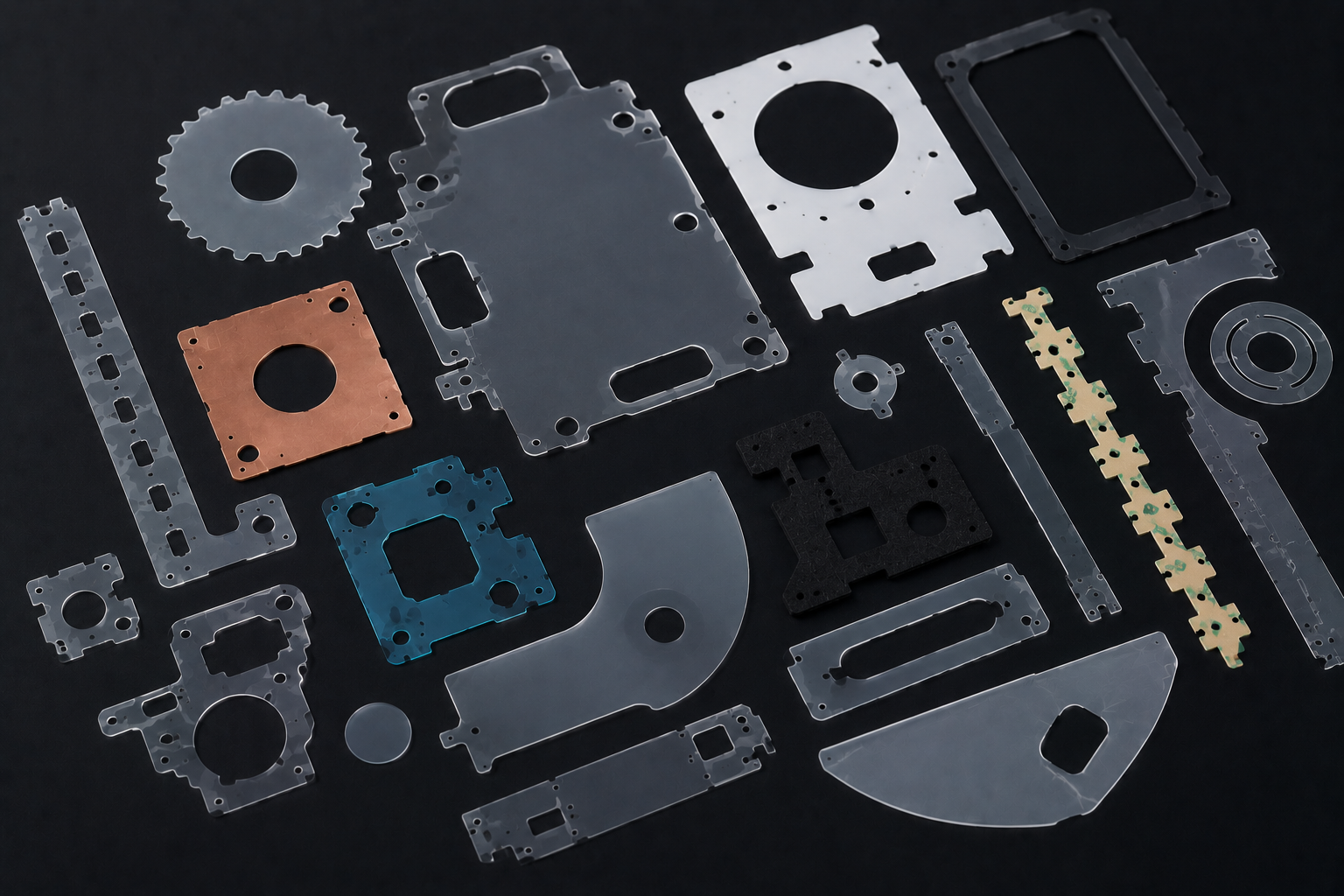
As consumer electronics, automotive displays, medical devices, and industrial equipment become more compact, film die-cut components are becoming increasingly complex.
Simple rectangles and circles are no longer enough.
Today's designs often include:
- Ultra-narrow frame structures
- Tiny mounting holes
- Irregular contours
- Multi-level cutouts
- Complex adhesive patterns
- Optical alignment windows
While these features improve product functionality, they also create significant manufacturing challenges.
A dimensional deviation of just a few tenths of a millimeter can lead to assembly failures, adhesive misalignment, optical defects, or reduced product reliability.
For OEMs, achieving consistent accuracy in complex shape film die cutting is no longer optional—it is essential.
So how do professional converters ensure accuracy when processing highly intricate film components?
Why Complex Film Parts Are More Difficult to Produce
Unlike standard geometries, complex film components introduce multiple variables that can affect cutting accuracy.
Common challenges include:
- Small internal openings
- Sharp corners
- Narrow bridges
- Long contour paths
- Thin wall sections
- Multiple cut depths
As part complexity increases, maintaining dimensional consistency becomes significantly more difficult.
Even minor material movement during production can affect the final result.
Start With Proper Material Understanding
Accuracy begins long before the cutting process.
Different film materials behave differently during converting.
Examples include:
| Material | Key Challenge |
|---|---|
| PET Film | Dimensional stability |
| Polycarbonate Film | Thermal expansion |
| Optical Film | Surface protection |
| Protective Film | Static attraction |
| Adhesive Film | Release liner movement |
Understanding material characteristics allows engineers to compensate for potential dimensional changes before production begins.
Material behavior is often the foundation of cutting accuracy.
Optimize Component Design for Manufacturability
Many accuracy issues originate during product design rather than production.
Engineers should evaluate:
- Minimum feature sizes
- Corner radii
- Hole spacing
- Material bridges
- Adhesive layouts
For example, extremely sharp internal corners may increase stress concentrations and reduce manufacturing consistency.
Slight design modifications often improve yield without affecting functionality.
This process is commonly known as Design for Manufacturability (DFM).
Use High-Precision Tooling
Tooling quality directly influences cutting accuracy.
A precision die must maintain:
- Sharp cutting edges
- Accurate geometry
- Consistent pressure distribution
Poor tooling can cause:
- Burrs
- Distortion
- Dimensional variation
- Edge defects
For complex geometries, high-precision tooling becomes even more important because small errors can be amplified across intricate features.
Control Material Registration
Registration accuracy is critical when processing films with:
- Printed features
- Optical elements
- Adhesive layers
- Multiple laminations
Advanced registration systems help ensure:
- Accurate positioning
- Consistent alignment
- Repeatable results
Modern converting equipment often utilizes:
- Vision systems
- Registration sensors
- Automated correction systems
These technologies help maintain precision throughout production.
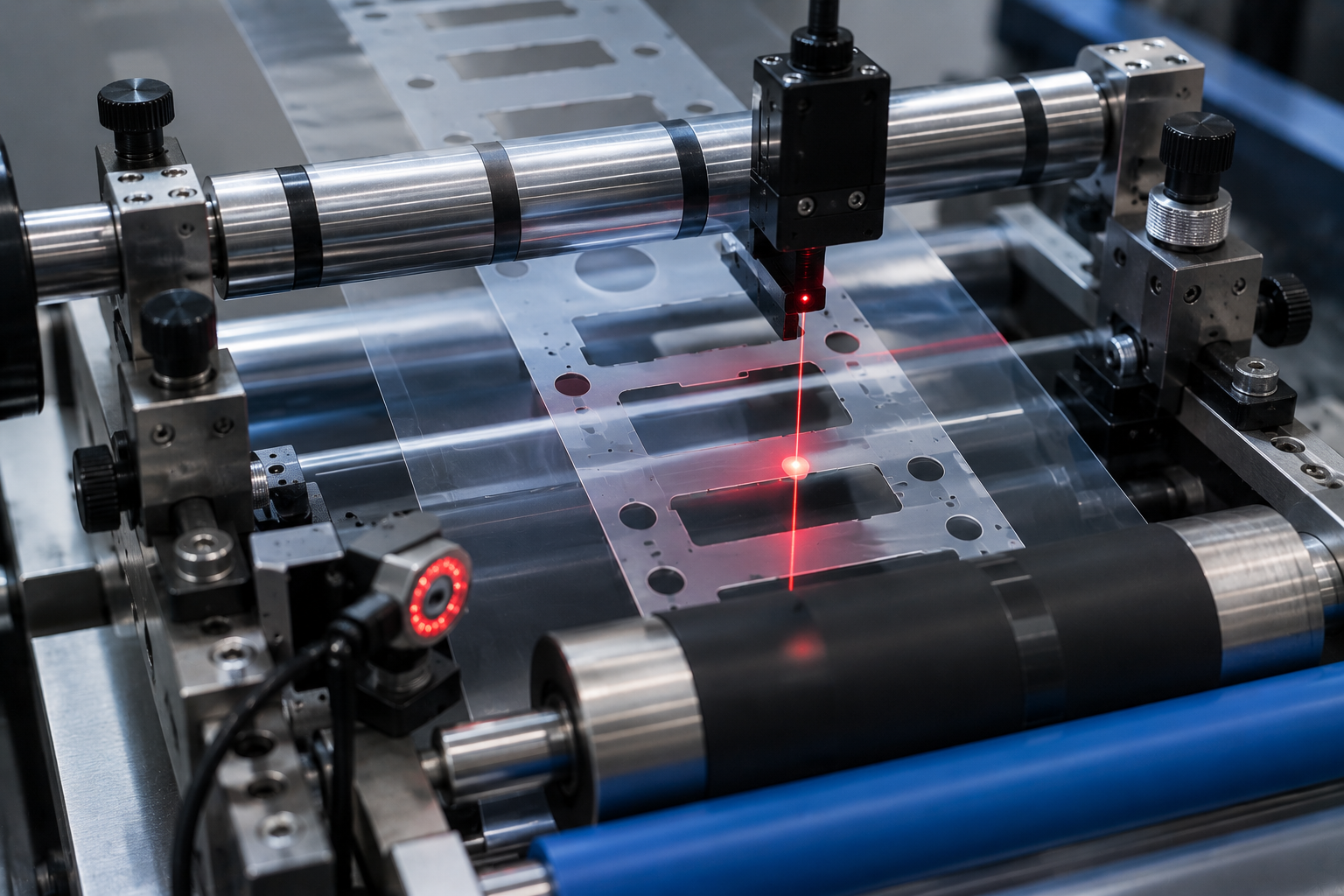
Maintain Stable Material Tension
Film materials are flexible by nature.
Improper tension can cause:
- Stretching
- Wrinkling
- Distortion
- Dimensional instability
Tension control systems help maintain:
- Material flatness
- Consistent feeding
- Stable positioning
This is particularly important for thin films and optical materials.
Even slight tension variations may affect dimensional accuracy.
Ensure Lamination Accuracy
Many complex film components include multiple layers.
Examples include:
- Film + adhesive
- Film + foam
- Film + optical layer
- Film + shielding material
Before die cutting begins, lamination quality must be controlled carefully.
Poor lamination can create:
- Layer shifting
- Misalignment
- Thickness variation
- Registration errors
Accurate lamination helps establish a stable foundation for precision converting.
Minimize Thermal Variation
Temperature changes can affect film dimensions.
This is especially true for:
- Thin PET films
- Polycarbonate films
- Optical materials
Manufacturers often control:
- Production temperatures
- Storage conditions
- Material conditioning procedures
Stable environmental conditions help maintain dimensional consistency during production.
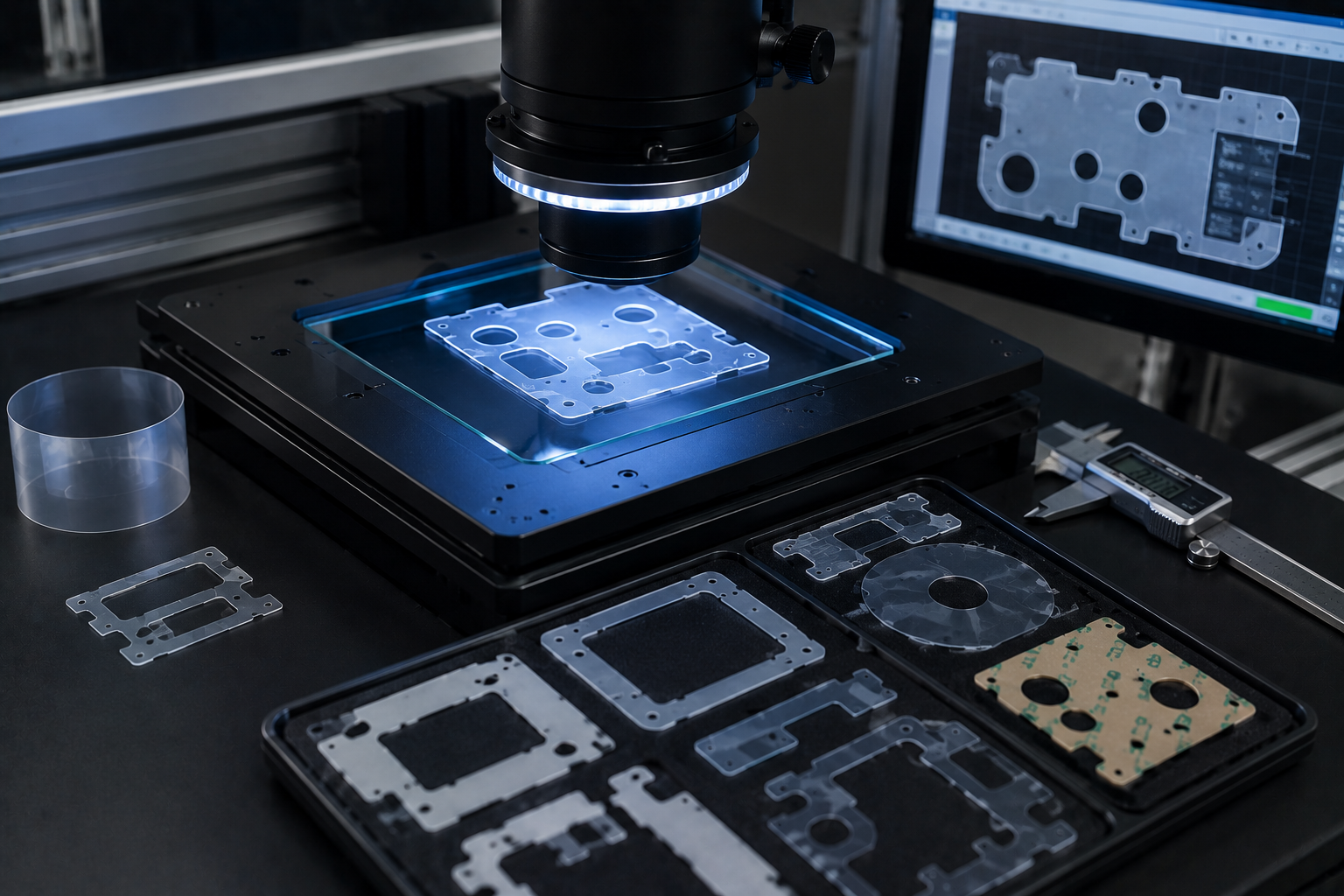
Utilize Vision Inspection Systems
Complex shapes often contain features too small for manual inspection.
Automated vision systems help verify:
- Hole locations
- Contour accuracy
- Edge quality
- Registration performance
Benefits include:
- Faster inspection
- Improved consistency
- Reduced human error
- Better traceability
For high-volume production, automated inspection is often essential.
Control Die Cutting Pressure
Excessive cutting pressure can cause:
- Material deformation
- Edge damage
- Dimensional changes
Insufficient pressure may lead to:
- Incomplete cuts
- Poor separation
- Burr formation
Process engineers must carefully optimize cutting pressure based on:
- Material thickness
- Material hardness
- Feature complexity
- Tool design
Balanced pressure improves both quality and consistency.
Reduce Static Electricity
Static electricity can create unexpected accuracy problems.
Electrostatic charges may:
- Attract particles
- Shift lightweight materials
- Affect registration
- Increase contamination risks
To address this, many manufacturers utilize:
- Ionizing bars
- ESD workstations
- Anti-static rollers
- Controlled humidity systems
Static control becomes particularly important when processing optical and ultra-thin films.
Implement Statistical Process Control
Maintaining accuracy requires continuous monitoring.
Statistical Process Control (SPC) allows manufacturers to track:
- Critical dimensions
- Process capability
- Variation trends
- Equipment performance
Rather than waiting for defects to occur, SPC identifies potential issues before they impact production.
This proactive approach improves long-term consistency.
Validate Through Prototyping
Complex designs should be validated before mass production.
Prototype runs help evaluate:
- Feature accuracy
- Assembly fit
- Material behavior
- Process stability
Early validation often reveals hidden challenges that may not be visible on CAD drawings.
For highly complex geometries, prototyping can significantly reduce production risk.
Why Experience Matters in Complex Film Converting
Equipment alone cannot guarantee accuracy.
Experienced converters understand how materials, tooling, tension, lamination, and environmental conditions interact.
This knowledge helps engineers:
- Anticipate challenges
- Optimize processes
- Improve yields
- Maintain consistency
When complexity increases, process expertise often becomes the deciding factor between success and failure.
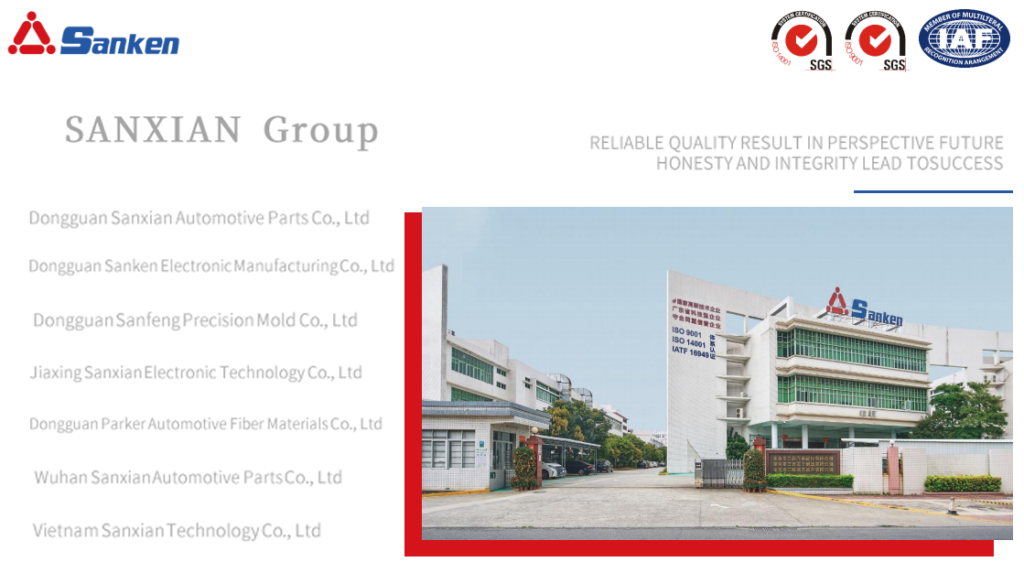
How Sanken Ensures Accuracy in Complex Film Die Cutting
At Sanken, we support customers with precision converting solutions for demanding applications.
Our capabilities include:
- Precision film die cutting
- Optical film converting
- Multi-layer lamination
- Kiss cutting
- Vision inspection
- Clean room production
- Prototype development
- High-volume manufacturing
By combining advanced equipment with process expertise, we help customers achieve the tight tolerances required by today's electronics, automotive, medical, and industrial markets.
Whether a component contains a simple opening or dozens of intricate features, our goal remains the same: consistent accuracy from prototype through mass production.
Conclusion
Ensuring accuracy in complex shape film die cutting requires much more than precise cutting equipment.
Material understanding, tooling quality, tension control, registration systems, lamination accuracy, environmental management, inspection technologies, and process expertise all contribute to final component quality.
As product designs continue becoming smaller and more complex, manufacturers that prioritize precision converting will be better positioned to achieve reliable assembly, improved performance, and consistent production results.
At Sanken, we help OEMs transform challenging film designs into precision-engineered components that meet the demanding requirements of modern manufacturing.