
What Protection Works for Die-Cut Brightening Film Parts?
Brightening films play a critical role in modern display systems.
Whether used in automotive displays, instrument clusters, infotainment screens, consumer electronics, or optical modules, brightening films help improve light efficiency, enhance display visibility, and reduce energy consumption.
However, these high-value optical materials are also extremely sensitive.
A tiny scratch.
A small particle.
A slight deformation.
Any of these issues can affect optical performance and lead to costly product failures.
That is why protecting die-cut brightening film parts is just as important as manufacturing them accurately.
At Sanken, we frequently support customers who discover that the biggest challenge is not die cutting the optical film itself—it's ensuring the part remains pristine throughout transportation, assembly, and final product use.
So what protection methods work best for die-cut brightening film parts?
Why Are Brightening Film Parts So Vulnerable?
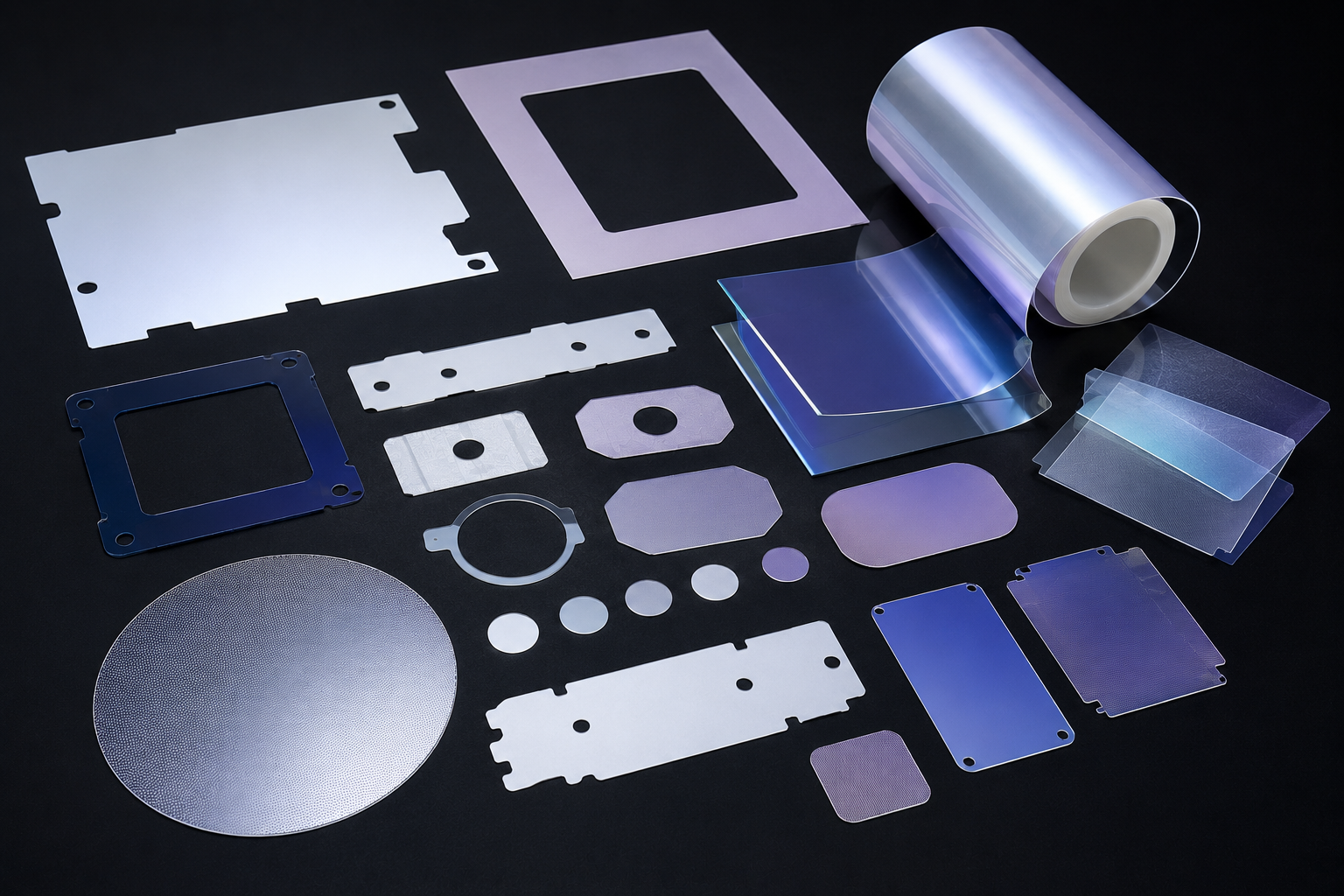
Unlike traditional industrial materials, brightening films are optical components.
Their surface structures are carefully engineered to control light transmission and reflection.
Many brightening films contain:
- Micro-prism structures
- Optical coatings
- Reflective layers
- Diffusion surfaces
These features can be easily damaged by:
- Dust contamination
- Surface scratches
- Fingerprints
- Static electricity
- Compression marks
- Excessive heat
Even minor damage may become visible when the display is illuminated.
As a result, protection requirements are significantly higher than those of standard die-cut parts.
Common Risks During Manufacturing and Assembly
Before selecting a protection solution, manufacturers must identify where damage typically occurs.
The most common risks include:
Material Handling
Film surfaces may be scratched during:
- Slitting
- Die cutting
- Lamination
- Packaging
Transportation
Improper stacking can create:
- Pressure marks
- Surface abrasion
- Edge deformation
Assembly Processes
Operators may introduce:
- Fingerprints
- Dust particles
- Static contamination
Long-Term Storage
Environmental exposure can cause:
- Surface degradation
- Adhesive contamination
- Film warping
Effective protection strategies must address every stage of the supply chain.
Protection Method #1: Protective Release Liners
One of the most widely used solutions is the application of release liners.
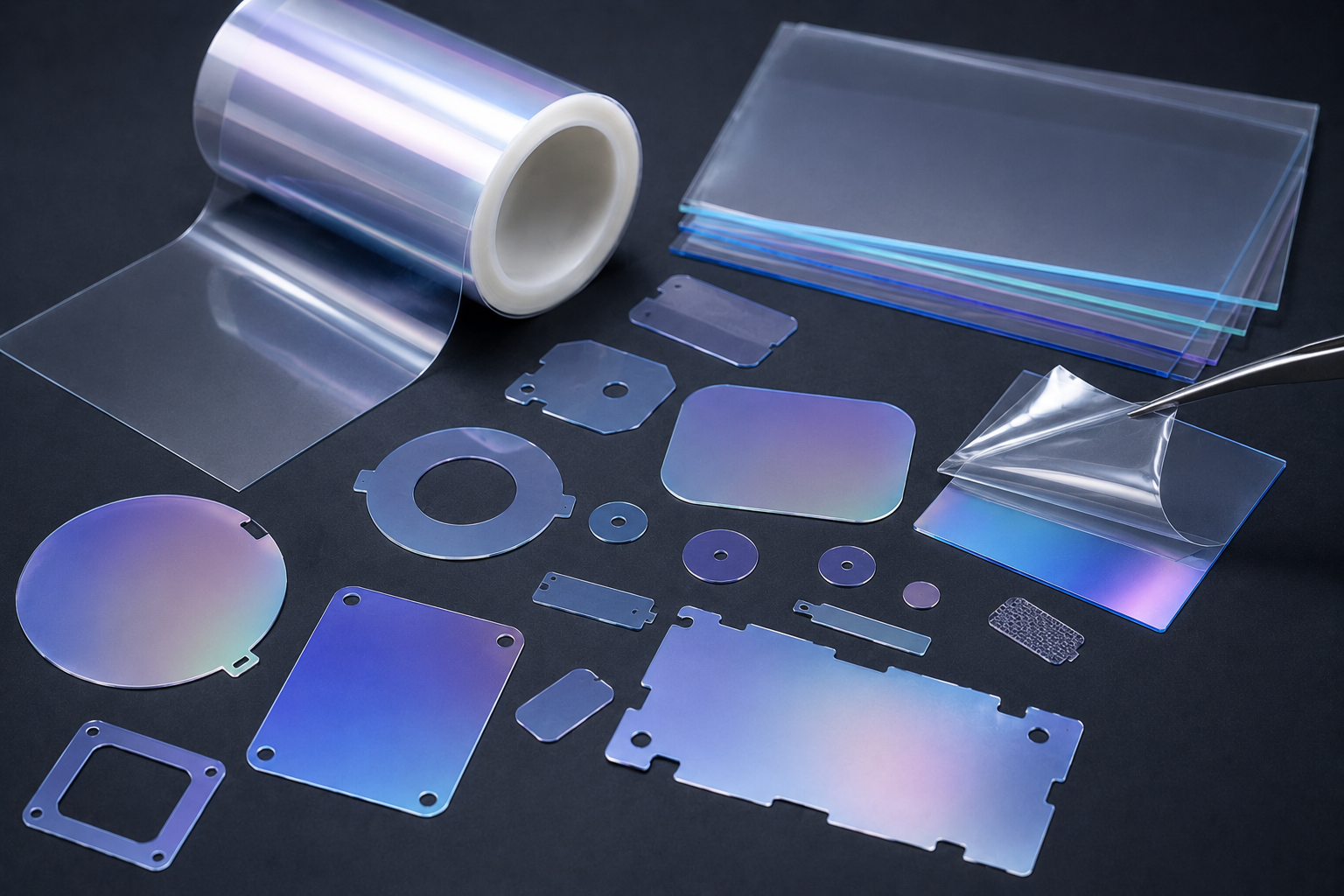
A release liner protects the optical surface until final assembly.
Benefits include:
- Scratch prevention
- Dust protection
- Easier handling
- Improved transportation safety
For many brightening film applications, release liners remain attached throughout most manufacturing processes and are removed only at the final installation stage.
This significantly reduces the risk of accidental damage.
Protection Method #2: Low-Tack Protective Films
For highly sensitive optical surfaces, low-tack protective films provide an additional layer of protection.
These films are designed to:
- Prevent scratches
- Minimize contamination
- Peel away cleanly
The key requirement is residue-free removal.
Any adhesive residue can affect optical performance and create quality issues.
Proper film selection is therefore critical.
Protection Method #3: Cleanroom Manufacturing
Sometimes the best protection is preventing contamination from occurring in the first place.
Many optical-grade brightening films are processed inside controlled environments.
Cleanroom production helps reduce:
- Dust particles
- Airborne contamination
- Surface defects
- Foreign material inclusion
This is especially important for:
- LCD displays
- Automotive touchscreens
- Instrument clusters
- Advanced optical assemblies
As display quality expectations increase, clean manufacturing environments become increasingly important.
Protection Method #4: Anti-Static Protection
Static electricity is a hidden threat to optical films.
Electrostatic charges attract airborne particles that can become trapped on film surfaces.
These particles may later appear as:
- Visual defects
- Dark spots
- Optical inconsistencies
Anti-static protection methods include:
- Anti-static liners
- ESD-safe packaging
- Grounded processing equipment
- Controlled humidity environments
For high-end optical applications, anti-static management is often mandatory.
Protection Method #5: Precision Packaging Solutions
Many brightening film failures occur after production.
The reason?
Packaging.
Poor packaging may cause:
- Edge damage
- Surface friction
- Compression marks
- Particle contamination
Effective packaging solutions often include:
- Individual layer separation
- Anti-static bags
- Protective trays
- Custom cavities
- Shock-resistant packaging
Proper packaging protects both product quality and customer satisfaction.
Protection Method #6: Precision Die Cutting
Protection begins long before packaging.
It starts with the die-cutting process itself.
Poor die cutting can create:
- Burrs
- Edge lifting
- Surface marks
- Material stress
These defects can compromise optical performance even if the surface appears undamaged.
For brightening film applications, precision die cutting helps ensure:
- Clean edges
- Accurate dimensions
- Stable material handling
- Reduced defect risk
This is one reason why optical converting requires specialized manufacturing expertise.
Why Material Selection Matters
Not all protective materials are compatible with optical films.
The wrong protection layer can create:
- Surface residue
- Chemical interaction
- Optical distortion
- Delamination
When selecting protection materials, manufacturers should evaluate:
- Adhesion level
- Surface energy compatibility
- Temperature resistance
- Optical cleanliness
- Long-term stability
A protection system should safeguard the film without introducing new risks.
How Sanken Protects Die-Cut Brightening Film Parts
At Sanken, we understand that optical components require far more than dimensional accuracy.
They require process control.
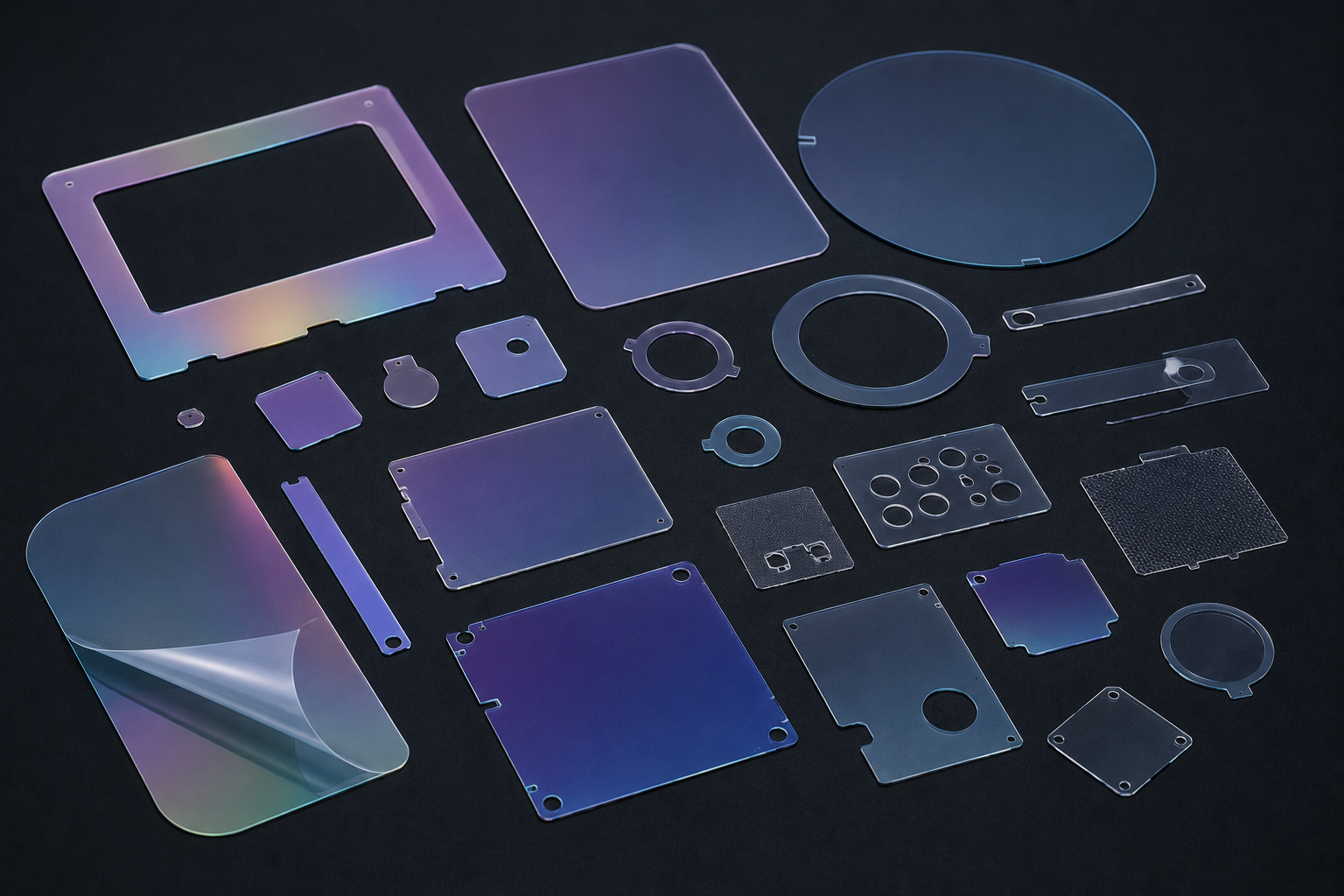
Our optical converting capabilities include:
- Precision die cutting
- Multi-layer lamination
- Optical film converting
- Protective liner integration
- Clean manufacturing processes
- Custom packaging solutions
By focusing on both production and protection, we help customers reduce defects and improve assembly efficiency.
Because for optical components, protection is not an afterthought.
It is part of the manufacturing process.
Conclusion
Die-cut brightening film parts are highly sensitive optical components that require protection throughout manufacturing, transportation, storage, and assembly.
The most effective protection strategies include:
- Release liners
- Low-tack protective films
- Cleanroom production
- Anti-static control
- Precision packaging
- High-quality die cutting
At Sanken, we combine precision optical converting with comprehensive protection solutions to help customers maintain the performance and appearance of their brightening film components from production to final assembly.